

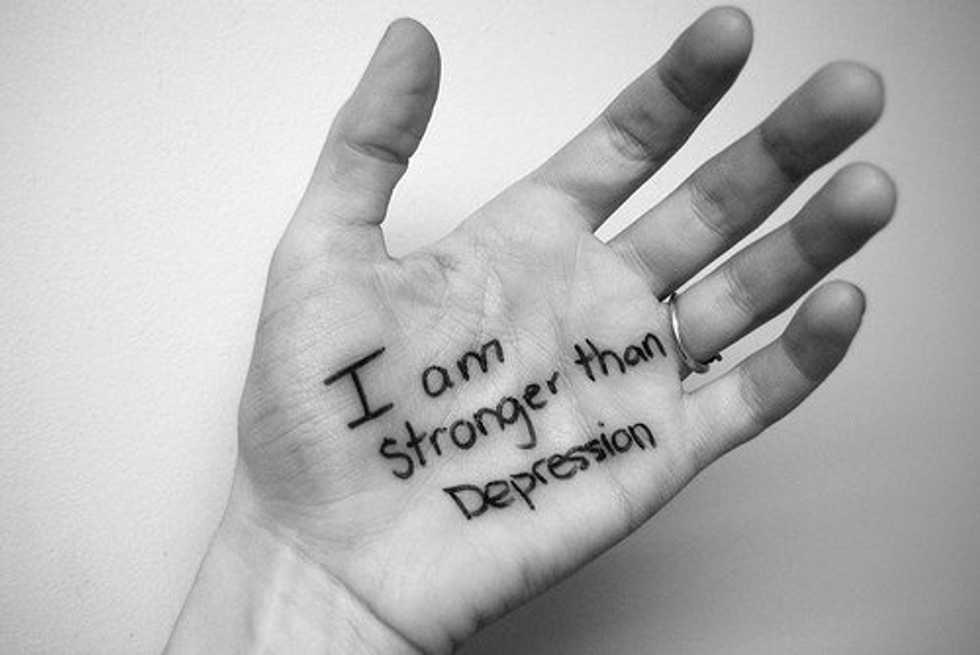
Everyone will experience depression once in their lifetime, at least. Different events will trigger it, and that's OK, that's when depression is situational. There are some people, though, who have chronic depression they battle every day of their lives, and that's when it is chemical.
There is nothing wrong with you if you have chronic depression.
Depression does not care who you are, what you do, what you have going on, your gender or what your ethnicity or age is. That's why we need to get rid of the stigma around it and openly talk about it. It will only help people treat it more effectively rather than hide it.
There are so many ways depression, chemical or situational, makes life a little bit harder sometimes. Depression can make daily simple tasks hard. This ranges from getting out of bed to eating to going to work or school and so on. Whether you are experiencing chemical or situational depression, these tasks can become nearly impossible for you to handle. You aren't lazy; you just can't seem to find motivation, and you keep thinking what's the point.
On top of that, people sometimes don't understand why you are feeling the way you are. From the outside, your life looks great – great job or great grades, a wonderful family, support surrounding you from friends, family and colleagues, and yet, you are unhappy. People don't understand why, they don't understand why you don't have one rhyme or reason. It's hard for those who don't understand depression to sympathize with you, and they might see you as someone who just likes attention and/or to complain. This causes people to go through their lives pretending to be happy verses being honest.
There are ways to make your depression easier to handle.
1. Exercise.
Exercising releases endorphins, and endorphins boost your mood! Exercising will also help you become more focused and awake. There are plenty of different ways to exercise, so try different things until you find a few that you love, and then try to work in an hour here and there to exercise throughout your weekly routine.
2. Eat well.
As tempting as it is to eat pizza, tacos or ice cream when you are feeling down, it won't help you feel better. All that grease, fat and sugar will only make your mood worse. Eating a well balanced diet can really help boost your mood, help you sleep better and give you more energy. So, start eating breakfast if you don't already, make sure you are drinking enough water and try to eat out less.
3. Spend time with people who care for you.
Get those negative people out of your life. Life is too short and important to have our time wasted on people who don't care about us. Spend you time with people who make you happy. If you are finding it hard to find these people, join a new club or try out a new hobby and surround yourself with people who have the same interests as you.
4. Take the time out of your week to do what makes you happy.
Yes, school and work are important but so is enjoying yourself. Not doing this will eventually burn you out. So, take breaks in your week to just relax or enjoy a hobby. You don't always need these breaks to be fun and exciting; they can just be reading a book or going out to dinner with a friend. This will help refresh your mind and help you refocus.
5. Be good to yourself.
They say your biggest enemy is yourself. They're kind of right. We all can be so hard on ourselves, and we really shouldn't. We need to stop comparing ourselves to others and just focus on us and what makes us happy. We are all doing the best we can to be successful and fulfill are dreams, so just remember nothing really ever happens over night. Everything takes work and dedication. So, take the time to enjoy the little victories and try putting less pressure on yourself, just remember every little struggle gets you to your big successes.
6. Get help.
Admitting you need help is a huge step, and there is absolutely no shame in it. No matter what level of depression someone has, a little help can go a long way. You can reach out to your school's services or seek treatment around where you live. No matter what, there will be someone out there wanting to help you.
We need to talk about depression.
Depression is a treatable and maintainable form of mental illness. Letting people who care about your well being know what you are going through will only direct you to getting the right help. So, forget the stigma surround mental illness; it's more common than you would think, and the more we talk about it openly, the less of stigma there is going to be surrounding it.
Remember you are loved, important and deserve to be happy – everyone does. So, fight back against you depression, and so it's you who is really in control of your happiness.
Are you suffering from depression? Do you need help? In the U.S., call 1-800-273-8255 for the National Suicide Prevention Lifeline.