Cultural appropriation. Two words that people are throwing around without knowing exactly what they mean and how they affect our society. Susan Scafidi is quoted in an About.com article on cultural appropriation, defining it as “taking intellectual property, traditional knowledge, cultural expressions, or artifacts from someone else's culture without permission.” Scafidi then goes on to say that issues of cultural appropriation have greater impact when the originating culture is that of people of color. Lots of articles on cultural appropriation tend to give examples of people “borrowing” things from African-American culture and shaming them for doing so. For instance, Iggy Azalea is bashed (and will continue to be bashed) for the voice she uses when she raps. An article in The Daily Beast says that Iggy Azalea “mimic[s] the identifiably black spitting style of the American South.” Lots of articles point the finger at white people for adopting ideas from another culture (more specifically, Black American culture), such as wearing cornrows or wearing certain articles of clothing. While it is true that cornrows got their name from practices of African agriculture, it’s a hairstyle that can work for an array of hair types. Keep in mind that there is a difference between wearing cornrows and wearing cornrows with gelled baby hair and long acrylic nails (the latter is embracing a stereotype).
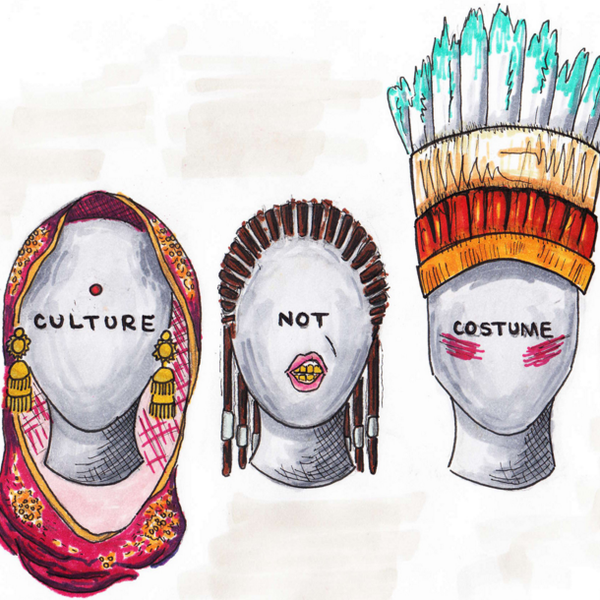
In addition to this, there are different kinds of cultural appropriation taking place that people do not feel the need to criticize. For instance, Katy Perry, Miley Cyrus, Selena Gomez, and a plethora of other celebrities have been wearing bindis as part of their outfits on stage or on the red carpet. Bindis are usually worn by Hindu women in order to protect energy and concentration. Traditional Native American dress has been turned into a reference to stereotypes and Halloween costumes. Artists use traditional Arabic dress to symbolize hostility while mainstream America takes it as a symbol of terrorism. Henna is used all across America in order to create temporary tattoos while its origins are in parts of Asia and Africa.
Where do we draw the line between cultural appropriation and paying homage to a culture? Even when “appropriators” are fully aware and educate their audience of cultural significance, people from contributing cultures may take offense. Someone attempting to recognize and appreciate a certain culture for its significance may be alienated as someone that disrespects that culture simply because they did not conduct a thorough search on the background and origins of the elements of the culture.
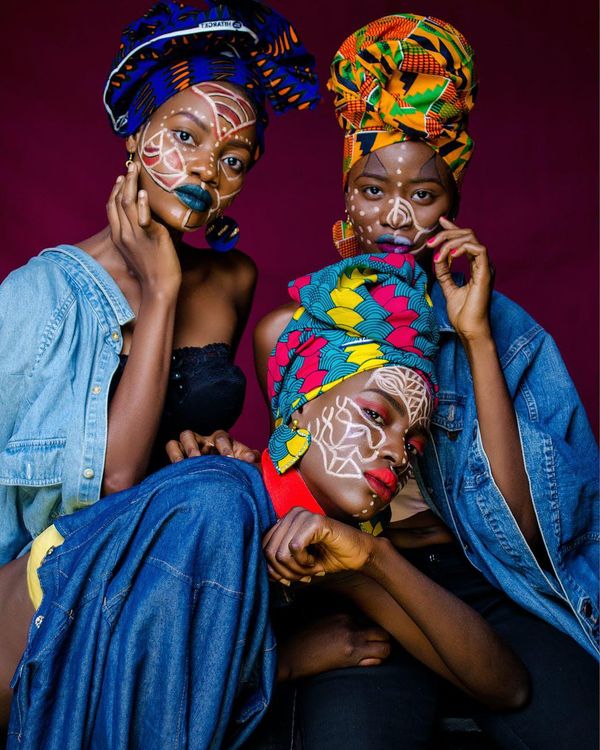
What about people of color that participate in cultural appropriation? There are lots of articles that essentially say, “Hey, white people, here’s what you shouldn’t do!” An article published by Everyday Feminism says that cultural appropriation “Makes things ‘cool’ for white people – but ‘too ethnic’ for people of color.” But it never takes the time to confront the people of color that use elements of other cultures in order to seem “cool.” Does this mean that people of color can’t be appropriators? Definitely not.
Where do we set the standards? Where do we draw the line? Who’s an appropriator and who’s not?