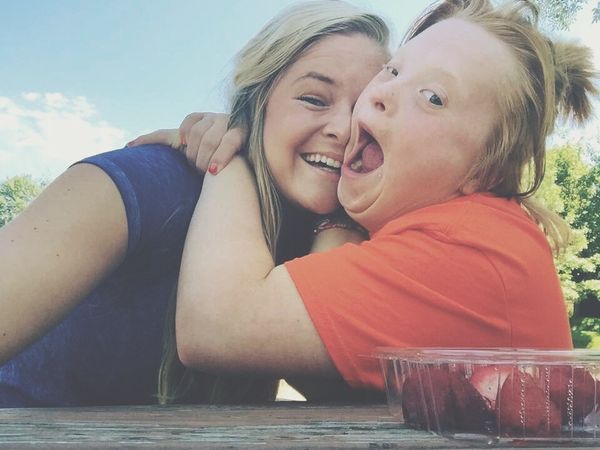

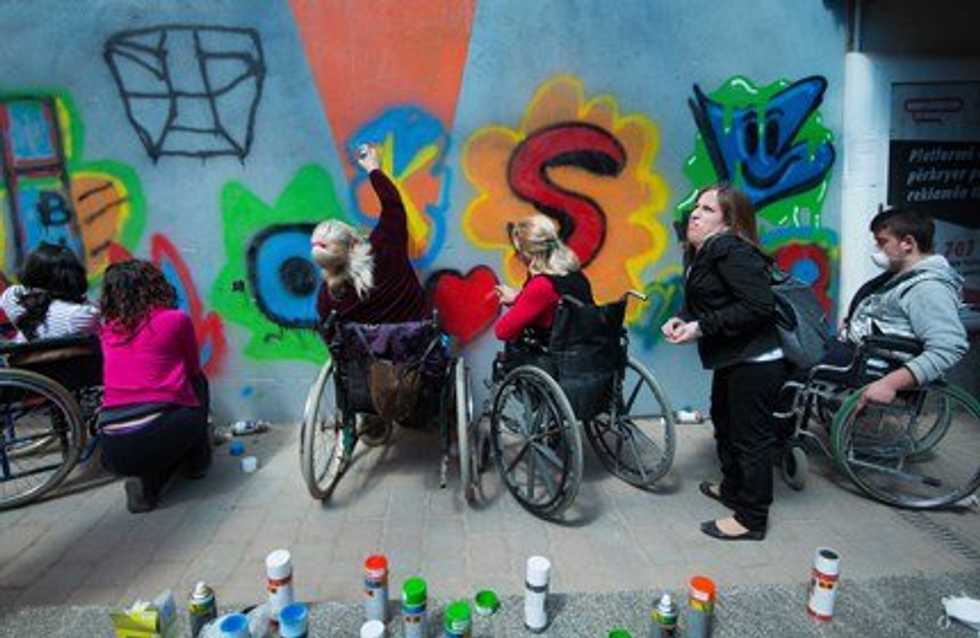
Many of us are ignorant to what the terms “gay” and “retarded” really mean and how deeply these terms can offend people when misused. I misunderstood what the term “retarded” meant and I never thought about the repercussions that took place when I misused this word. A few years ago, my cousins and I were ridiculing each other. We took turns going back and forth when my aunt walked into our room and asked us to repeat what we had just said to each other. We all exchanged looks and had absolutely no idea why she had asked us to repeat ourselves. She calmly said, “One of you said the word ‘retarded.’ Do you know what that means and how offensive it is?”
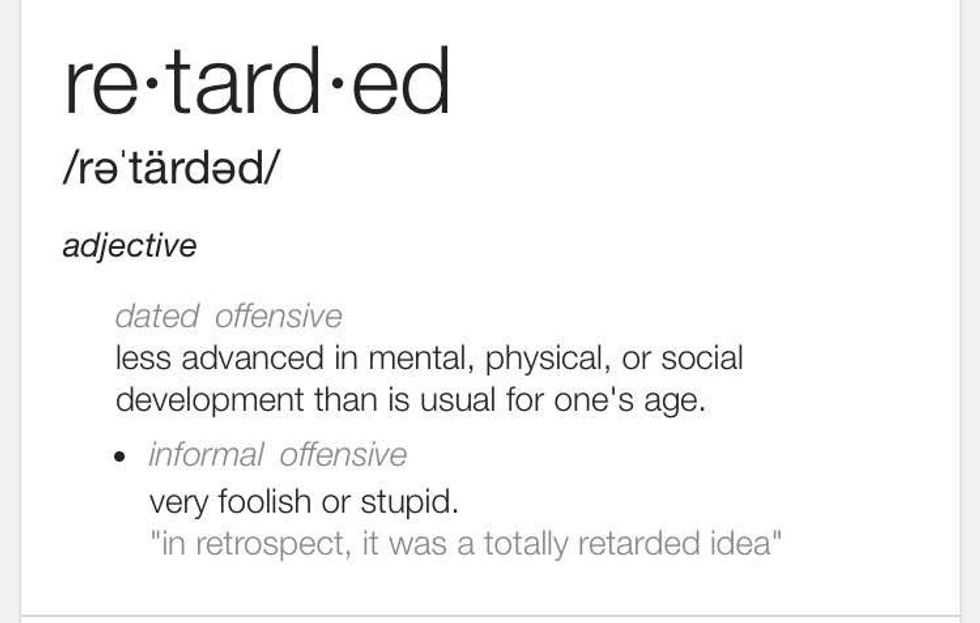
After conducting some research to educate myself on what the term “retarded” truly means and the awful connotations that come with it, I became more aware of the words I use.
In 2010, the U.S began to use the term” intellectual disability” instead of mental retardation. Although the term “retarded” was originally used as a medical term, it is now considered offensive because people continually use it out of context. The term was used to describe a neurological disability for children under the age of 18, but later, this term was used to produce negative stereotypes. These stereotypes surrounded people with intellectual and developmental disabilities. It was commonly believed that individuals with these intellectual and developmental disabilities should be segregated and hidden away from society.
Since the moment my aunt had that conversation with us, my biggest concern is when people use the term retarded. I feel it is important for me to educate the people around me about the repercussions that occur when using this term. It is necessary to show respect to the people who have mental or intellectual disabilities. The people who have mental, intellectual, physical or other disabilities that are not listed should not be demeaned because they are resilient individuals and deserve our respect.
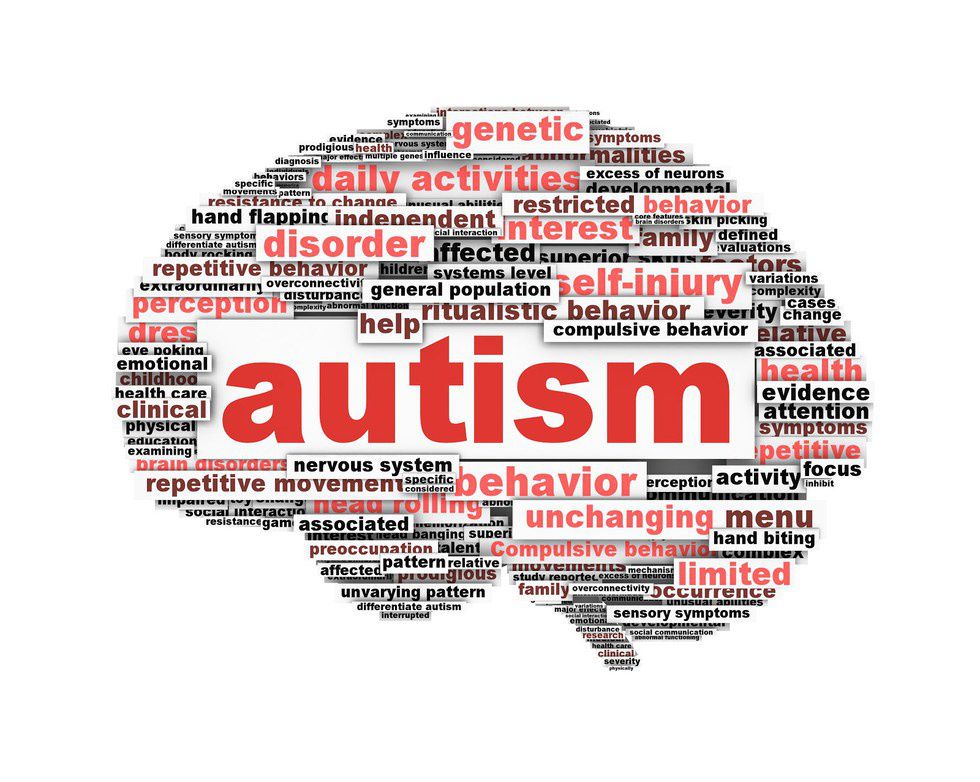
For those of you unaware, April is Autism Awareness. Autism is an intellectual disability. According to U.S. Centers for Disease Control and Prevention, “1 in 68 children are diagnosed with Autism Spectrum Disorder." Individuals with Autism may have difficulties in motor coordination, attention, and physical health issues. Autism is a developmental disorder that can cause problems with social interaction, language skills, as well as physical behavior. People with autism may also be more sensitive to everyday sensory information. Individuals with may perceive the world as chaotic with no clear boundaries, order or meaning.
There are many programs which give guidance to children with Autism or other intellectual disabilities. My first time working with children that have disabilities was when I volunteered for a non-profit organization called “Leaps and Boundz” for the Weekend of Oz in September 2014. That weekend was so magical, magnificent and inspiring. This experience was like no other because I was a part of something great. There were several activities that encouraged the children to challenge themselves. All the activities took place in an enchanted setting and the activities were categorized based on the ethics of the characters in the "Wizard of Oz": the brain, the heart and courage. The activities included: surfing, cooking, petting zoo, archery, build your own scarecrow, blender bikes, arts and crafts, glow in the dark party, zip lining, rock climbing, dunk tank and "Wizard Of Oz, The Musical."
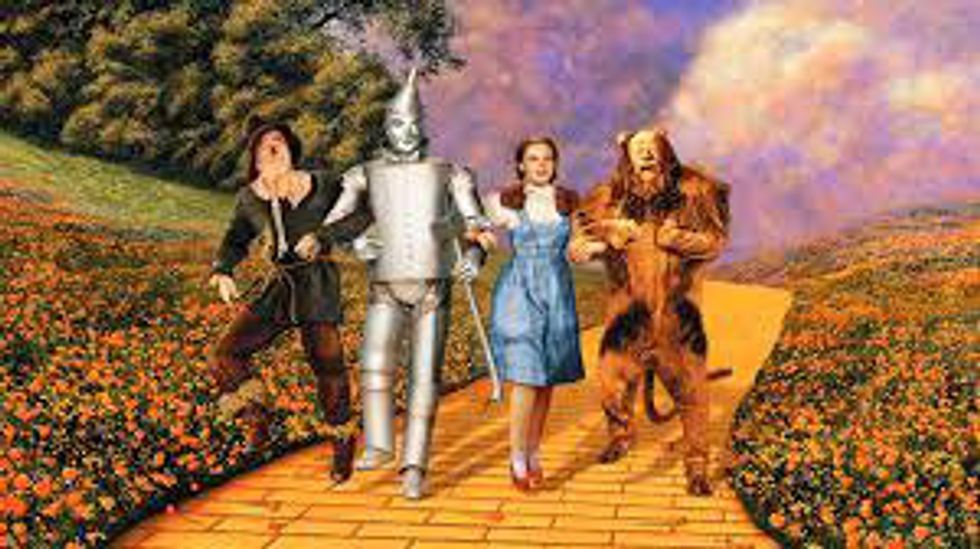
During this experience, I understood the difficulties children with disabilities and their families encounter on a daily basis. Despite the extra challenges and obstacles that these children work through, they are still able to enjoy themselves and have fun.
I am the type of person that believes one can persevere against all odds. I do not believe an individual should be limited because of a disability. With that being said, this experience sparked my interest in working with children who suffer from disabilities. Throughout that weekend watching the children challenge themselves to participate in activities that initially terrified them, or even when they pushed themselves to try something new was admirable.
Be cautious of the words you use, and respect all people. Autistic people are kindhearted and have beautiful personalities. They have a great personal charm, which makes it easy to love them. There are ways to recognize and demonstrate support to these noble champions and their families, which consist of donating, buying retail, walks for autism or other disabilities, etc. To find opportunities to show your support, go to autismspeaks.org or usautism.org, and there are so many more opportunities.