
As college students we all depend on one thing in order to produce quality work; energy. For some students (such as myself) who work all night rather than sleep, energy may appear as more of a luxury than anything. Some may choose just to grind their teeth and go with the flow while others load themselves up with stimulants such as amphetamines or highly-caffeinated energy drinks. This route may be effective in the beginning, although in the long run you must also consider the possible health risks involved. 'We’re young, we’ll survive.' is certainly a notion I was living by until a fellow twenty year old co-worker suffered a stroke and had to get a pacemaker for the rest of his life. I learned that it was due to his excessive consumption of energy drinks once word spread around work about his absence.
I stopped using energy drinks altogether shortly after hearing what happened to him, but on some days I found myself feeling too brain-dead before class as a result. “There must be an alternative” I began thinking to myself after nodding off and slamming my forehead against a bus window like some village drunkard while commuting to college. Most days, for me at least, energy drinks aren’t necessary since I’m usually able to get an hour nap in after arriving home from my overnight job, before heading back out on public transit to college. But on days like this when sleep doesn’t come soon enough, or when I have to spend my nap-time scurrying to finish homework assignments, energy supplementation is imminent. But what? What energy alternatives are there to stimulants such as amphetamines and caffeine? At first I didn’t really know. So I began using energy drinks occasionally again, even after witnessing firsthand what damage they can do cardiac-wise. But then one day, I began getting these strange irregular heart rhythms that began vibrating in my chest, like an out of tune dubstep beat. At that moment a haunting lyric from Black Sabbath surged in my mind; “It’s too late to turn, you don’t want to learn, price of life you cry, now you’re gonna die!”
Fortunately my symptoms subsided with no long-term health consequences, but it was time to contemplate how to deal with this energy-zapping lifestyle and learn how to cope with it. Quitting my job would only prove to be a fatal option in the sink or swim economy of Santa Clara County. This truth posed the question; how would I be able to keep my GPA up on days I feel like a brain-dead ape in class when enough rest beforehand isn’t achievable?
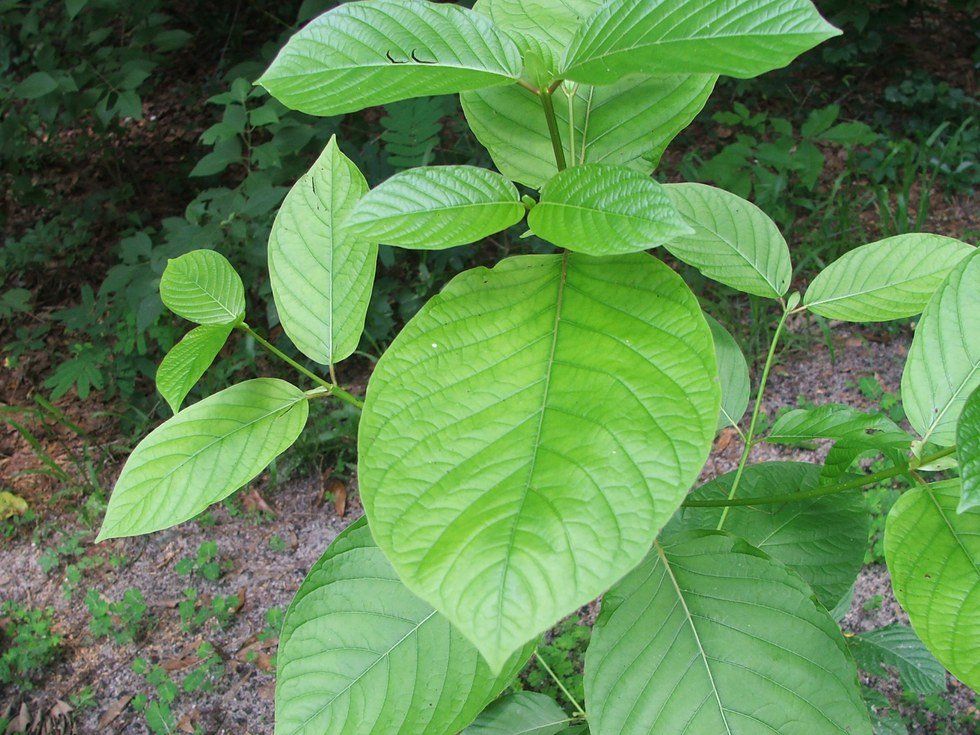
Then it finally dawned on me; Kratom. I’ve used it sparingly as a natural pain medication after breaking my femur playing football back in middle school, yet it wasn’t until recently that I realized it had more uses than I originally thought. I stumbled upon this revelation when I began writing an essay for my English class not long after taking Kratom.
My previously foggy brain was now weaving with a clear razor-sharp focus, but there also appeared to be a creative wave that never revealed itself before on paper back when I used caffeine. My writer's block dissipated, abstract ideas were popping out left and right with such buoyancy, and my brain was able to latch onto these ideas without letting them fade out from memory before they could be put to use.
Later on, I used it before class as needed and, so far, it has been effective with helping me focus in class, making it a worthy substitute to caffeine in my experience. Overall, Kratom stimulates the mind yet eases the nerves, without making you tired. This is certainly a good alternative to the typical edginess felt from caffeine that can make you appear like a stuttering schizophrenic when your college professor asks you a question.
Although there is one problem, Kratom is currently illegal in some states; Arkansas, Indiana, Tennessee, Vermont, and Wisconsin, but let’s test the true integrity of these states before adding any negative stigma to Kratom. Besides Vermont, all of these states still share the primitive belief that cannabis has no medical benefits whatsoever and should not be allowed to treat any form of illness. Should we allow politicians to dictate what has true medical benefits and what does not? I’m sure a majority of people would answer no to this question. In terms of medical benefits, however, an important fact to mention is that Kratom has been seen as an effective treatment for people trying to wean themselves off of an opiate addiction. Some pharmaceutical companies might be shaking their fists at this very moment saying; “Methadone is already an effective treatment for opiate addiction!” An effective treatment you say? How can a substance that poses the risk of having a life-threatening heart rhythm disorder, or one that proves to be fatal when overdosed, be a good treatment for opiate addiction? Under these terrifying circumstances Methadone itself appears to be a double-edged sword that carries higher risk than Kratom does.
Without trying to sound like some conspiracy theorist, I fear one reason Kratom has started to become illegal in some states might be due to pharmaceutical companies trying to keep natural alternatives from taking business away from their drugs. In reality the only side-effects you can get from taking too much Kratom is nausea and vomiting, very unpleasant no doubt, but quite mild when compared to heart disorders or fatal consequences as a result of an overdose. One good way to prevent any nauseating side-effects from Kratom however, is to always keep some ginger and milk thistle on hand, which are both good aids for digestion in general.
But before trying Kratom, be sure to do your own research and dose responsibly. Anyone who tries to get a buzz by loading up on a high dose of Kratom for the first time, without responsibly researching the dosage guidelines beforehand, could easily find themselves spewing all over their classmates, and being dragged away by undercover agents as a suspected Ebola case. We need to realize that irresponsibility is to blame for anyone getting themselves sick as a result of using Kratom, rather than blaming the plant itself, which must be respected.
Kratom comes in three main varieties; Red Vein, White Vein, and Green Vein. Red Vein is more relaxing due to a higher level of 7-hydroxy-mitragynin, while White and Green Veins tend to be more stimulating due to a higher level of Mitragynine. Yet even in the case of needing energy to concentrate in class I tend to favor Red Vein strains because they seem to ease any anxiety I have, without making me tired, and help me focus at the same time, a perfect balance if you will. Experiences differ from person to person though, so try all three varieties and see what works best for you.
Some of you, by now, might still be hesitant on quitting Caffeine entirely, and in my eyes you don’t necessarily have to if you get it from natural sources like coffee rather than energy drinks. Caffeine and Kratom can be cycled and in the long run that should be a healthier route to take since you will be able to experience the benefits of both without having too much of either one.