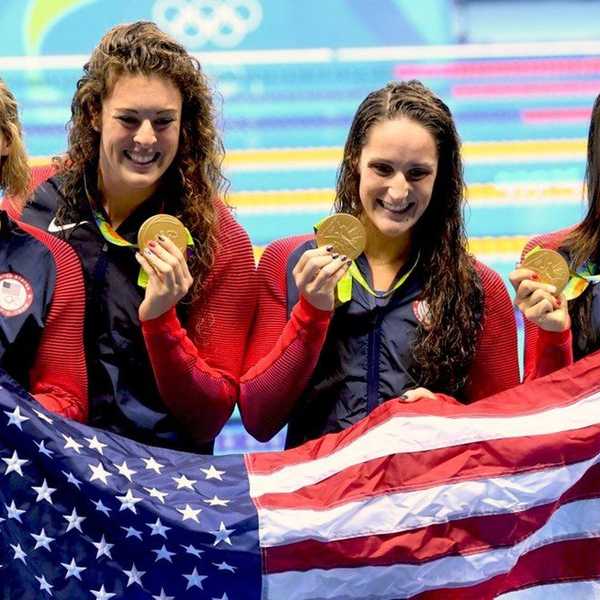
The Olympics are an international event, but each nation has their own, exclusive, coverage of the games. In the U.S. NBC has shown stories of inspirational American athletes like Ibtihaj Muhammad, the first US Olympian to ever wear the Hijab in competition, Simone Biles, a teenager dominating international gymnastics, and Michael Phelps, now the most decorated Olympian in history. But one of the problems with the multi-national Olympic media is that it leaves out so many stories of other athletes who also deserve recognition outside their country.
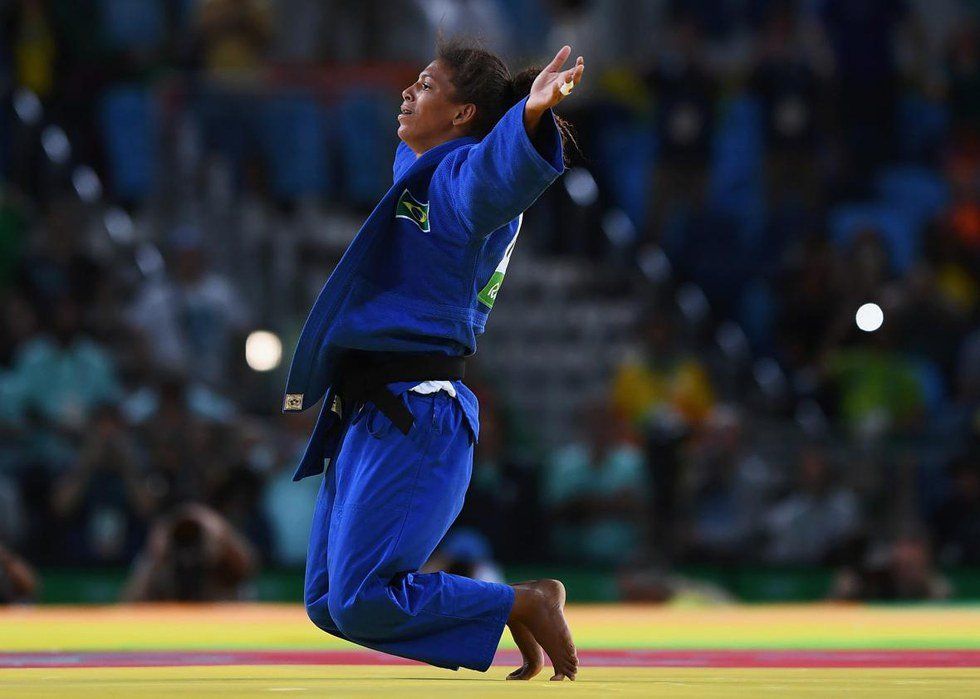
So let me introduce you to Rafaela Silva, a judo athlete who gave the host nation of Brazil their first gold medal. On Monday, Silva defeated world No. 1 ranked Sumiya Dorjsuren of Mongolia for the 57kg judo gold.

Silva’s athletic dominance, however, isn’t what makes her a great story. It is who she is off the mat that defines Silva as a significant social figure to Brazil.
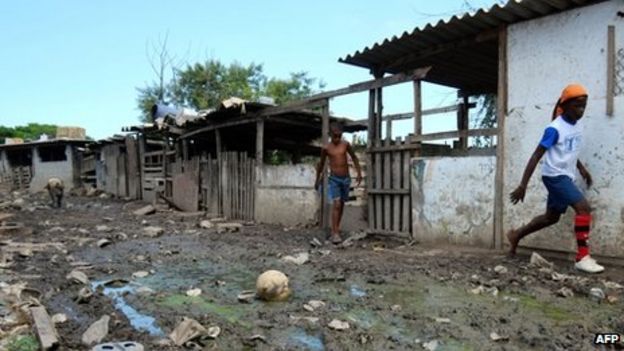
Silva was born in one of the most notorious favelas in Rio, Cidade de Deus, more commonly know as the City of God favela. She says she faced all sorts of inequalities growing up as a young, poor and black woman. Silva is also lesbian and didn’t come out publicly to the media until Wednesday after she won her gold.
Silva is one of 49 LGBT athletes in this year's Olympics, the highest number of "out" athletes to ever compete in the games. That number could continue to rise after The Daily Beast’s shameful public outing of Olympic athletes using gay dating app, Grindr.
Although she had a rough upbringing, Silva now thinks she can be an inspiration to young Brazilian kids, “I think I can serve as an example to the children of my community,” she told international media in her post-match press conference. “Being black, you are already looked at badly on the streets.”
That is a stigma Silva wants to change as 68 percent of residents in Brazil’s favelas are black.
“I think the community will be happy because she does not hide her origin. Some people do, she doesn’t,” Silva’s father says. “I always taught her not to forget where she came from.”
Silva’s win and Brazil's only gold medal so far, ironically comes as 77,000 of the country's poorest residents have been displaced in order for the International Olympic Committee (IOC) to create sports stadiums, like the arena Silva competed in Monday night.
The host nation has seen its host of problems, public protests, political unrest, a public health crisis, the Zika virus, police brutality, corruption charges, along with the aforementioned housing displacement - just to name a few scandals.
Silva’s medal won't solve Rio’s problems – and the medal cannot shield her from the injustices she still faces. But the fact that a 24-year-old black lesbian woman born from one of the most infamous neighborhoods in the world could turn out to be an Olympic gold medalist has to be the story of the games so far. Yet for NBC, a network that paid 1.23 billion to broadcast these summer games, has not given her the media attention she deserves.
But for many, Silva’s accomplishments have already transcended sport. “Everybody here knows Rafaela’s history,” says Eduardo Colli, a Brazilian supporter watching Silva in the arena. “This is more than just a medal, it’s a victory for poor people. It’s hope for all of them.”