
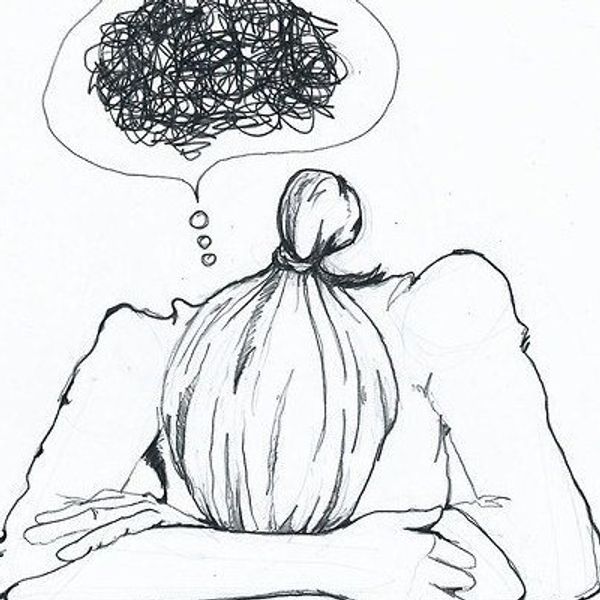
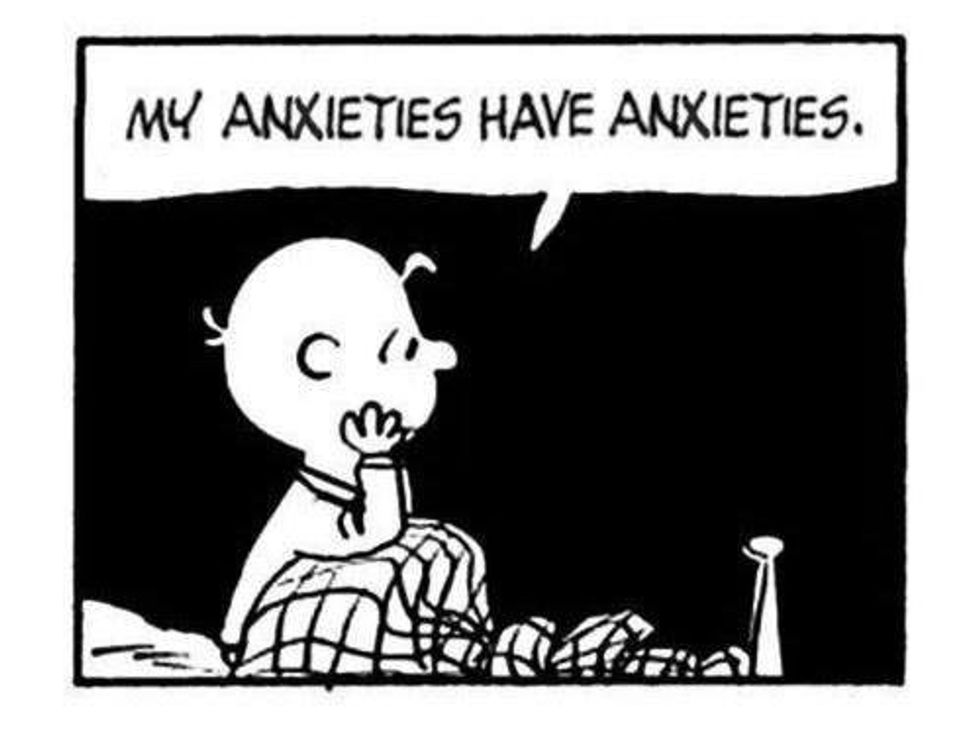
Little known fact, anxiety is actually a lot more common than most people think, but I’ve noticed that some people abuse the actual idea of what anxiety is. When I say anxiety, I’m not talking about the jitters you get before a test or the churning stomach you have before you get picked up for a blind date. I’m talking about chronic, every-day, everlasting anxiety, that doesn’t depend on the situation.
Every person who has been diagnosed with anxiety disorders has known they had a problem since they were young kids. For example, the moment I was born, I couldn’t stop crying. As I aged, my crying turned into chronic worrying and nervousness. Everything I did could not be completed without a pre-ritual of me hitting the bathroom, pacing, vomiting, having head-spinning nausea. Before I’d go to a friend’s house that I’ve known for years, I’d get panic attacks about absolutely nothing. The anxiety is so overpowering, that I usually just end up either avoiding every situation or exhaust myself out.
I’m not about to give lessons on psychology. I just think it’s really important for people to be aware that anxiety is not some made up excuse. It can become really debilitating and hard to manage. Luckily, I’ve found some strategies to help me cope and I think they’d be really beneficial to anyone who suffers from anxiety or knows someone who does.
The first thing I do before I start thinking is I check my physiological symptoms and try to get those under wraps. When I’m anxious, my hands become drenched, I get headaches, stomachaches, my heart is rapidly beating like a bongo drum and I usually feel like I am going to faint. My heart races so fast, that I usually end up just falling asleep. Some techniques I found useful are checking your heart rate, slow, paced breathing, getting some sunlight, aromatherapy and getting exercise. Out of all of these strategies, the first and most important thing you should do when you feel yourself getting anxious is to breathe. Breathe until you can physically feel your heart slowing down. Once you’re a bit more relaxed, then you can start thinking straight.
Then, I become aware of what exactly I’m anxious about. Usually it’s some event happening in the future like a confrontation, a test or an event. Honestly, the possibilities of where my anxiety originates from are endless.
After I figure out where my anxiety is coming from, I look at my choices and solutions to see how I can ease myself. For example, if it’s a Friday and I have a test coming up on the following Monday, I may choose to not go out over the weekend and study instead so I can feel more prepared. Or, if I need to confront someone about something, I can plan out what I’m going to say before I say it. Strategies like these really help me most of the time.
Now that I provided some tips on how to decrease anxiety, I’m going to suggest what not to do when you feel it creeping up.
Do not avoid. This is the number one coping mechanism for people with anxiety. Instead of attacking situations head on, people tend to dodge their responsibilities. Truthfully, I’m still trying to improve in this area. If I need to defend myself or confront someone, I usually abstain from doing so until the very last minute, which only increases my anxiety even more. For example, if I’m upset with a friend, I usually try to not make eye contact and keep silent until they eventually say something to me first. Or, I’ll text someone instead of talking directly to them in person when I really should. It’s better to be honest and to hit the nail on the head than to worry yourself even more by avoiding.
Try to calm yourself before it gets too intense. The worst symptom of anxiety is a panic attack. These happen when the anxiety accumulates too much and suddenly you explode. Panic attacks consist of hyperventilating, crying, screaming breakdowns and usually end with overbearing exhaustion. To prevent these, try to talk to someone who can calm your nerves if you’re feeling on edge. Make sure the person you talk to will calm you down rather than increase your anxiety. For instance, I can’t ask my mom for advice because she just makes me more worried. Try to find a non-biased, easygoing, positive person to talk to.
Reward yourself. After your anxiety goes away, do something that makes you happy. Usually after an anxiety-provoked episode, I like to relax in my bed, watch my favorite shows, eat tasty food, be around my friends and socialize or try and do something productive. You should not keep beating yourself down after you already went through an episode of anxiety. Try to do things that will decrease the likelihood of your anxiety appearing again.