

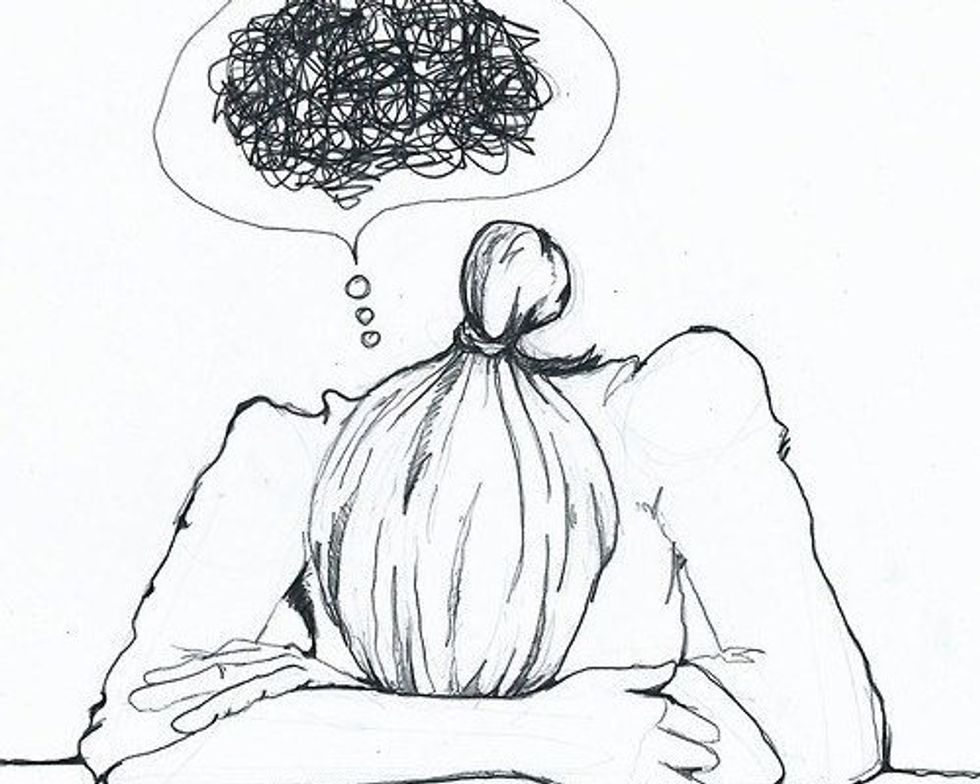
Anxiety sucks. I had my first panic attack at seven years old, but my anxiety really ballooned when I entered high school. You would not be able to tell that now, as I am a generally happy and well adjusted college student. However, I believe that the only reason I am so successful now is because I have been made to live with a mental condition that is now a huge part of my character and something that has created the morals I hold today. I still struggle with anxiety in my day to day life. I was asked to school dances, was given opportunities to travel, to go to parties and to live my life to the fullest on countless occasions, but for several years my anxiety prevented me from taking part in my own existence. I am beginning to learn how to cope with my anxiety. Practice makes my reactions to my own mind less traumatic and allowed me to learn things that I could have never learned without the experience of social anxiety.
Here are some key things that I have learned:
1. Some people wont understand what you are going through and that’s okay
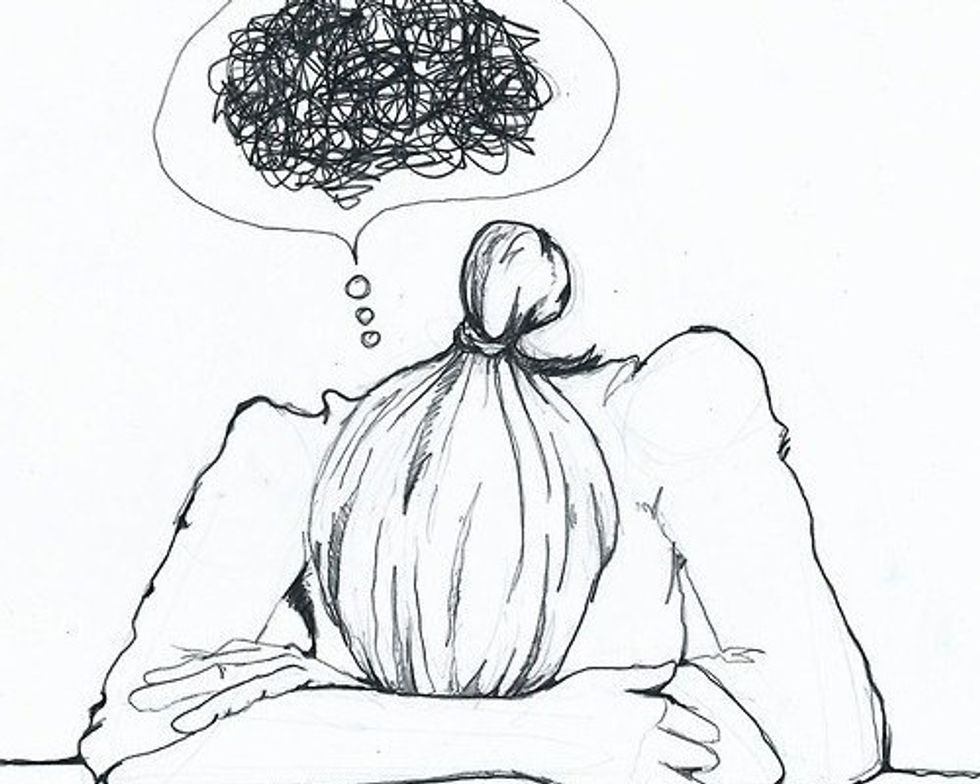
My ex-boyfriend never experienced an anxiety disorder and that made it difficult for him to understand why I was afraid to have dinner with his family, or didn’t like parties and would occasionally have totally random panic attacks that would leave me crying in his arms. That does not mean that he wasn't kind, patient and loving when these things happened. Sometimes, people can’t understand what you are going through and that is okay. Tell them what comforts you in moments of crisis and be open and honest about your feelings.
2. People are exceptionally kind and understanding if you are having a panic attack and reach out for help

When I first came to college, I had intense anxiety for all of orientation. I reached out to my peer mentor (who is lovely) for help and she directed me to school counselors and made herself available to talk to whenever I needed. Without judgement and without hesitation, people will jump to your aid more often than you might expect.
3. If you talk to most people about your anxiety, many will have shared some of your experiences

My roommate and I bonded over our shared anxiety and that is why we became roommates, aka soul mates who live together. We chatted over Facebook before school started and I casually mentioned my anxiety as something that might effect her if she lived with me. That one statement exploded into a full on bonding session over our similar mental illness and created one of the most nurturing and understanding relationships I have today.
4. Therapists and medications don’t work for everyone and there is no "one size fits all" solution to anxiety.

It took me several therapists, a few medication changes, a fair amount of tears, dabbling in meditation, and a lot of time to understand how to best alleviate my anxiety. Once you figure out your ideal coping method though, there is no better feeling.
5. Anxiety does not help anything and is often unreasonable and inconvenient but that does not make your experiences invalid.

When I have panic attacks, the triggering thoughts are usually unreasonable. I am aware of this, but when your body is reacting as if your life is in grave danger when you stand in a line at a grocery store, you aren't very rational. It is healthy to realize some thoughts are irrational, but that should not minimize your experiences.
6. Read about other people’s experiences with anxiety- it will make you feel less alone in your feelings.

For a long time, I thought I was alone in my anxiety disorder. In fact, I thought I was crazy. When I began to read about anxiety in both scientific and personal ways, I learned to accept in more. There is a community for people who suffer from anxiety, you just have to find it.
7. Learn to love your anxiety for the life lessons it has given you and how it has made you who you are.

This is difficult and I am still working on it. However, the bottom line is that I would not be who I am without the experiences that anxiety has brought and deprived me of.
If you are struggling with anxiety and need assistance, the link below will direct you to resources to help:
Anxiety and Depression Association of America