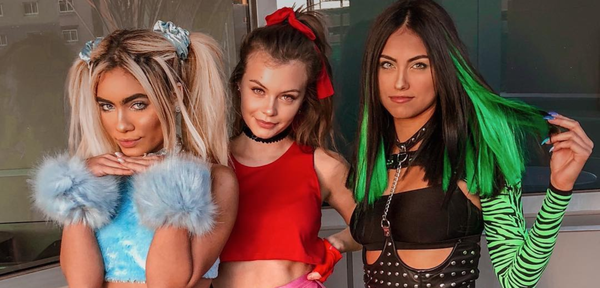
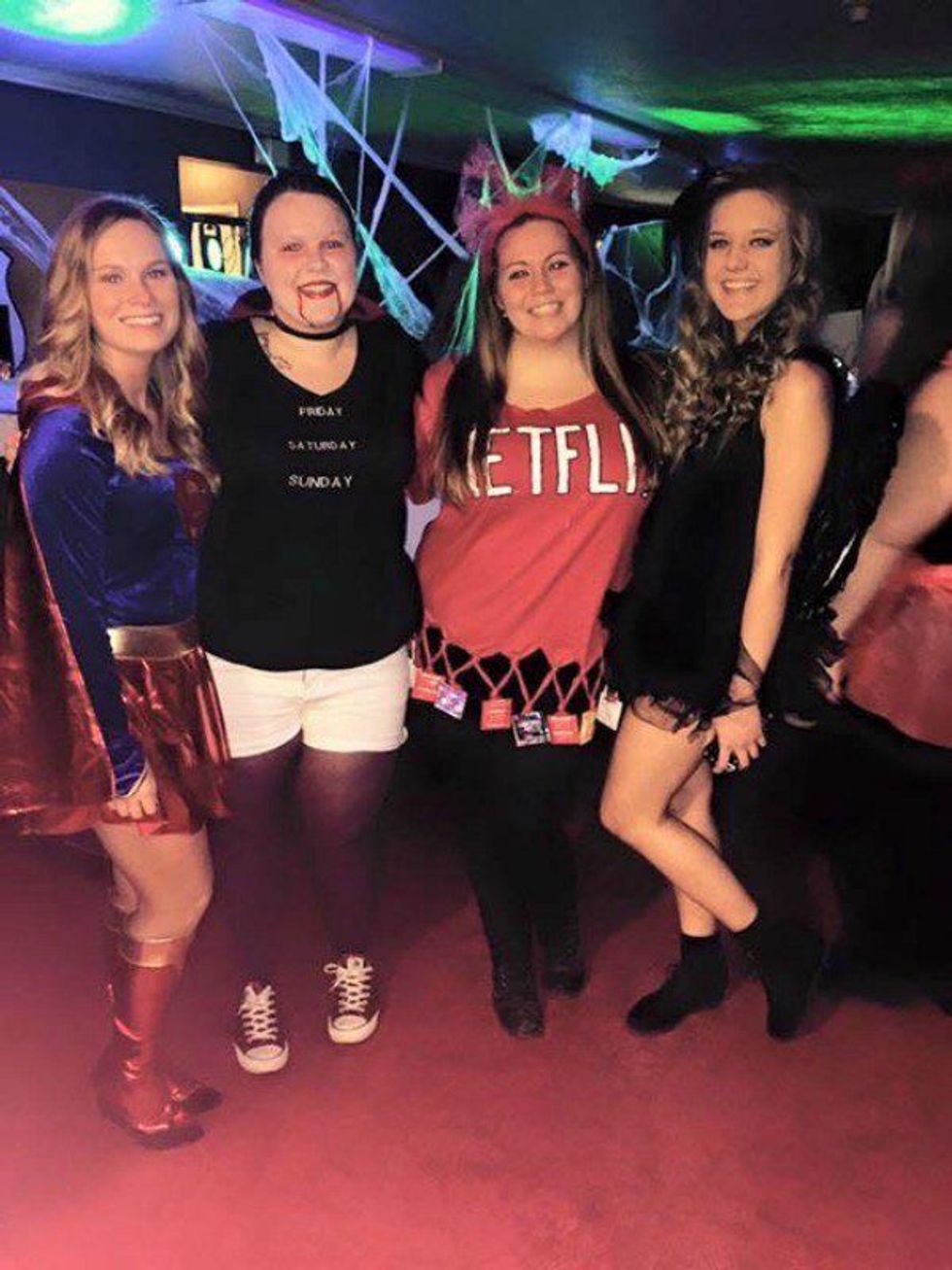
Halloween is upon us again. A favorite holiday for children, adults, and most importantly, college students. College towns light up on the weekend of Halloween, with new versions of the Spice Girls, witches, ghosts, and maybe even a new controversial idea — clowns. All these costumes are trademarked as fun, exciting, and possibly creative. Yet, every Halloween, many people fall into the side of stereotypical Halloween costumes: the dark side. This side is filled with people dressed like Native Americans, Indians, Geisha Women, etc. Halloween is a holiday made for all things spooky and creepy, to cut loose in a costume and have fun for one evening, but sometimes the fun is at the expense of other people and cultures.
1. Do Dress Up
If you are invited to a Halloween Party, chances are, everyone there is going to be dressed up. I made the mistake of thinking no one dresses up in college when I was a freshman and was painfully made aware that, in fact, everyone dresses up for college — maybe a little more extreme than elementary school.
2. Don’t Dress Up As A Stereotype
Negative or positive, stereotypes are wrong. Costume makers openly sell racism, with costumes like “Gangster” and “Native American Princess.” These costumes are play off of stereotypes that already have negative impacts on their cultures and shouldn’t be used to demean the cultures even more through Halloween jokes.
3. Do Dress Up Like Your Favorite Celebrity
It’s always fun to dress up like your favorite celebrity! Make sure you aren’t using a celebrity for the butt of your joke, but rather out of appreciation. Dressing up as a celebrity from a different race or culture is completely fine, as long as it is done in a tasteful way that does not play on hurtful stereotypes and excludes any disrespectful culture appropriations. A very trendy costume for Halloween this year is Beyoncé and Nicki Minaj from their “Feeling Myself” music video. Grab some one-piece leotards, faux fur jackets and glamorous high heels and you have a costume, minus the racial stereotypes or blackface.
4. Don’t Dress Up Like A Culture
I hope we all know by now that dressing up in blackface is never acceptable. Never. With that being said, even if you do not blackface, a costume can still be full of racism and disrespect if you are targeting cultural stereotypes. Common costumes that use culture as a joke are Native Americans, Indians, Geisha Women, Eskimos, Mariachi Bands, and Gypsies. Native Americans were slaughtered and had their land taken from them, yet people still believe that by wearing a “Sexy Native American” costume, all is forgiven. One of the most disrespectful things to wear for Halloween (or any other time — music festivals, parties, etc.) are headdresses. Headdresses are a very sacred part of the Native American culture, built through respect in the tribe and even if you have one ounce of Cherokee in you, you still don’t earn a headdress to wear around at a party. The terms Eskimo and Gypsy are offensive in themselves. Inuit and Yupik are indigenous people from Siberia, Alaska, Canada, and Greenland, which belong to a culture that should not be a “sexy” costume. While Gypsy is a racial slur for Roma people who are a minority of many nations and should not be used as a stereotype for a costume.
5. Do Dress Up As Something Funny Or Sexy
Halloween is the time to be wild! Perfectly easy costumes usually derive from the funny or sexy sections. Be a hot dog! Be a bunny! Be whatever you want, respectfully!
6. Don’t Use A Culture To Be Funny Or Sexy
If your costume is funny or sexy, you should ask WHY? If the answer is because you are making fun of a certain culture’s stereotype then it’s time to take the costume off and go back to the drawing boards.
“PocaHottie,” “Sexy Geisha,” and “Cute Bindi Woman” are costumes that are placed in the sexy category at the expense of the women from these cultures. Every one of these costumes is offensive and draws from more oppression — the sexualization of women from foreign cultures as “exotic.” This assumes that women from minority cultures are sexually available to the majority culture without any questions asked. The funny aspect of this major “Don't” are costumes that include “Asian Man” and “Mexican Man” costumes that target a stereotype for jokes — wearing a costume that is actually someone’s life.
Costumes are meant to be fun, fantasy, scary, or cute. Cultures or people are not costumes; they are not excuses to use extreme caricatures of human beings. Often times people cherrypick what characteristic of a culture they want to copy and which characteristics they want to make fun of. Showing love for a culture, but still being prejudice with the people from that said culture is not acceptable. Don’t be scared to be creative and unusual with your Halloween costumes this year, just be carefully respectful!