
The American Psychological Association defines three different kinds of stress: Acute Stress, Episodic Stress and Chronic Stress.
According to their website, "acute stress is the most common form of stress. It comes from demands and pressures of the recent past and anticipated demands and pressures of the near future."
This is pretty vague, isn't it? Or is it just me?
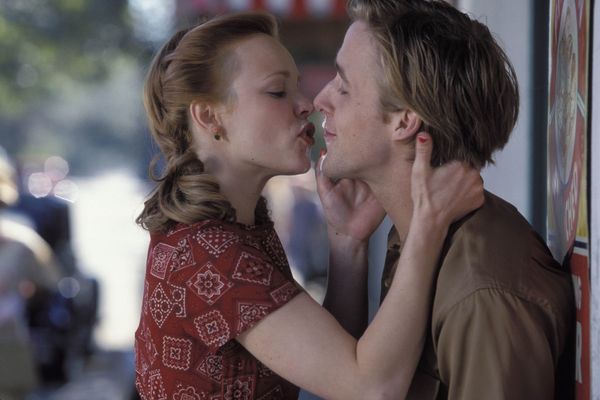
The reality is, stress is just our body's reaction to...well, anything. This type of Acute Stress is basically just the state of actually being alive. It can be bad, yeah. But it can also be quite good. Being in love, for example, can be incredibly stressful. Nobody ever complains about that sort of stress, though, because it is what we crave as socially interactive beings. Palms may be sweaty, hearts may race, stomachs may turn from the stress of a relationship, but these are the feelings we long for in life; these are the feelings that help us keep priorities straight and motivate us to better ourselves.

And, of course, this doesn't always involve our relationships with other people. We all have dreams, goals, aspirations and such. When we feel these may be threatened or (preferably) fostered, we experience some degree of emotional reaction. It's as if we all go through life at a certain low level of stress, regardless of circumstance or personality, and this low level is made more acute by things happening around us that we actually care about.
If you're going to take your freak-outs to the next level, though, you have to make your way past Acute Stress and into the wonderful world of Episodic Stress.
The APA says, "there are those...whose lives are so disordered that they are studies in chaos and crisis." If the perfectly normal and life-affirming Acute Stress isn't edgy enough for you, you may just not be doing enough. Try piling a bit more onto your plate. If you get it just right, you'll suddenly find that you're always running around in a terrible rush, but you're perpetually late; you're always planning everything down to the most minute detail, but you can't seem to keep everything from going wrong; and you're always being told you have too much going on at once, but you can only think about what more you have to do.

If this sounds like too much work, don't worry. This insanity can be achieved in just a few simple steps:
First, make sure to change your schedule often. Routines are the easiest way to reduce stress and rob yourself of the joys of hair loss and heart disease. After all, how are you supposed to be unreasonably terrified about the future if you have a reasonable idea of what may happen? If you keep yourself on your toes at all times by never allowing yourself to develop a healthy routine, you can rest assured that rest and assurance will be proportionately few and far between.
Next, if you so accidentally fall into a routine, procrastinate often. The biggest stressor for most people is money. The thing about money is that you never seem to have enough, i.e. you don't have it when you need it most. In order to utilize this great source of intense anxiety, be sure to put off doing anything that may help you get money...at least until you don't have time to finish the task properly. You'd be surprised how much stress you miss out on by simply meeting deadlines and keeping schedules. If you want to wig out with the pros, you have to put things off.
And last but not least, worry about everything you can think about. If your mind can imagine it, it's worth worrying over. Honestly, if you're doing this right then most of the bad things you dream up will definitely happen, no matter how far fetched. Plus, what are the chances of good things happening for you, really? If you try to go through life only living in the moment, appreciating what you have, and accepting life on life's terms, you may even find it hard to procrastinate. If you're not careful, you could even find yourself living relatively stress-free and focusing on all sorts of positive things. You will never truly fulfill your potential for panic like that.

Remember, anyone can be happy; freaking out takes dedication.
For some, this lifestyle takes some getting used to. I had to practice for years before I could procrastinate as well as I do now. Some people get lucky and have major life-changes thrown on them that help a great deal with acclimating to chaos. To some, however, this type of thing comes quite naturally. But beware, even those who are naturally inclined to disorder and worry can easily find themselves slipping into a cycle of gratitude for what they have, acceptance of their circumstances, hope for the future. This last can be the most dangerous; even a temporary time of stress can slip right through your fingers if you remember that the future is not set in stone and things will inevitably get better.
So remember: keep rushing, because it always has to be done right this second (those roses don't smell as good as they say); if it has to be done today, always do it later; and never stick to any plans, but always worry about what you're going to do next!