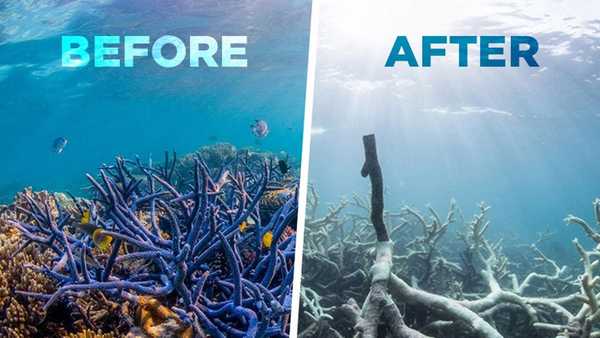
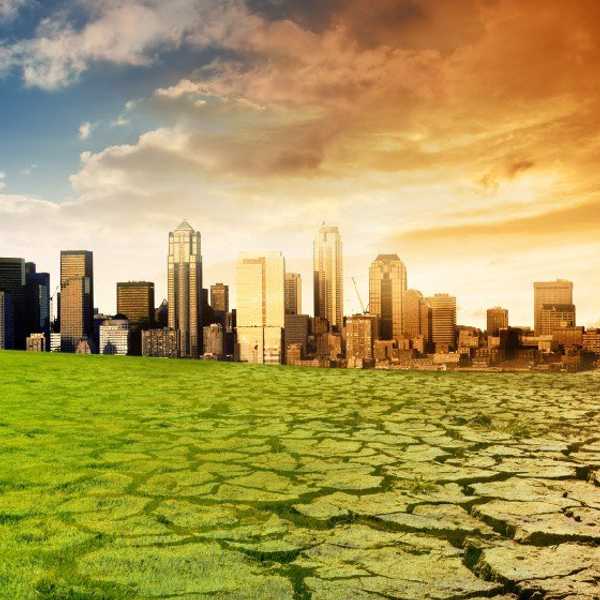
Perhaps one of the largest disagreements between animals and humans today is the existence of global warming and climate change. While African and Latin American countries express the highest concern for climate change, and stress the need to battle it, more developed countries such as the U.S., China, Russia, and Australia do not seem to place much urgency into this problem. This creates a major conflict in our biosphere because the countries (as a whole) that are capable of contributing the most towards the control of climate change and global warming do not agree with the seriousness of the problem.
While a lot of facts, support, and research can be pulled out in order to prove that climate change and global warming is a major concern, and while 97% of scientists state that humans are the major cause of global warming, a simple look at animals’ behavior, migratory patterns, and life quality complications is enough to prove the factualness and reality of this so-called “myth.” The reason for the importance of conducting observations within the wildlife world instead of ethnographic study among humans follows the fact that animals are far more negatively affected by global warming than humans are.
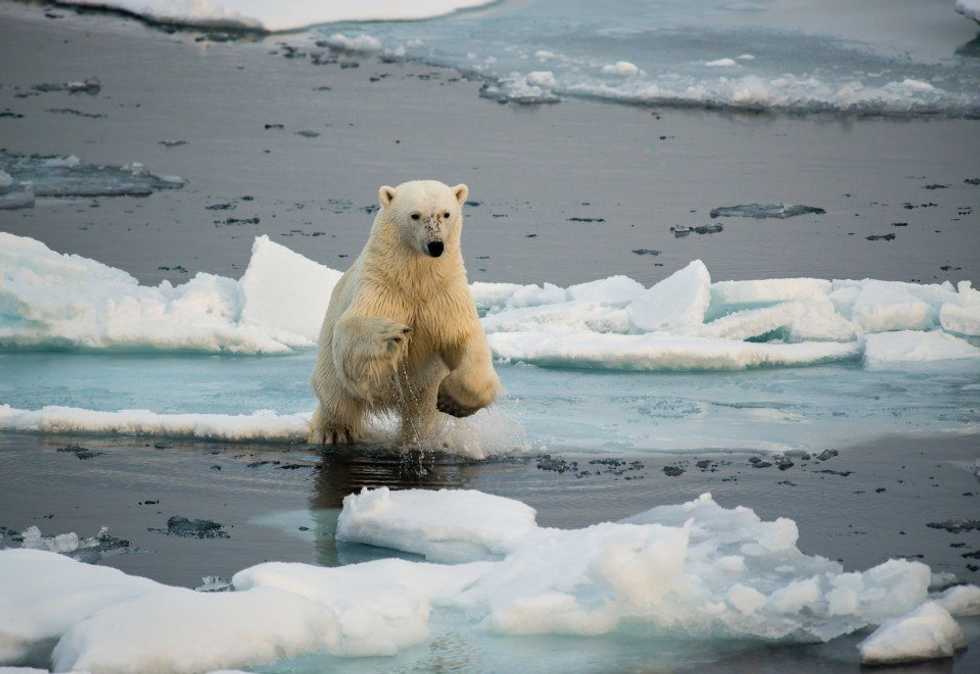
Polar bears are actually marine mammals, and spend a majority of their time at sea rather than on land. However, ice caps are essential for their survival because it is where they hunt. With dramatic increases in temperature, polar bears in territories such as Hudson Bay, Canada are facing ice-less summers, and shorter hunting seasons due to delayed freezing in the fall and premature ice melting in the spring. This shortened time-period of the presence of ice is resulting in an average weight drop by 15% in polar bears due to fewer opportunities to hunt seals and other preys.
Unfortunately, the reproduction rate is negatively correlated with the increase of weight loss, resulting in lower populations of polar bear. If starvation does not kill the polar bear, drowning might. Sea ice is beginning to only be found farther from land, which means that each polar bear must swim a significantly larger distance in order to reach them. Polar bears are incredibly strong swimmers; so long distance swims should not be a huge problem for these bears. Their nostrils close underwater, they have an approximately 4.2 inches thick layer of insulating fat to protect them from cold water and help them stay afloat, and have wide paws to propel water, and yet there has been cases of spotted drowned polar bears. The increasing gap between shore and ice caps result in rougher wave conditions, which in turn makes their swims not only longer, but also far more dangerous.Sadly, polar bears are not the only animals that are being affected by global warming. African and Asian elephants are undergoing great difficulties with maintaining a healthy and sustainable diet due to significant decreases of food supplies.With soaring temperatures, growth of several plants and fruits are impaired and invasive plant species are being able to outcompete the elephants’ natural foodsupply. Habitat destruction, which is a huge contributor to animal extinction, is maliciously working together with global warming in order to make it nearly impossible for elephants to eat about 10% of their body weight (the average amount of food that they should be eating.) Elephants’ migratory patterns, along with many other African animals, during drought season are changing and turning into much more exhaustive trips due to the warming of the climate which results in significantly less water availability.
Interestingly, global warming is directly decreasing the population of elephants by causing less annual rainfall. Elephants do not have a definite or “official” mating season, but tend to engage in reproductive behavior during the most rain-heavy parts of the year. Less rain means less mating, inhibiting the much-needed growth of elephant populations throughout Asia and Africa. With a decrease in birth rates and an increase in death rates due to habitat destruction, poaching, and environmental reasons, extinction of elephant species is not an unlikely fate.
One of the most concrete methods of gathering data and evidence that the climate is indeed increasing rapidly in temperature is by studying bird migration patterns and how they have changed over time. Many animals, including birds, sense cues from the environment (mostly temperature) that indicate appropriate times to migrate. Increased temperature results in hatching of flies and insects that fall prey to newly hatched birds. The best time to have offspring is when there is an abundance of food, so due to the early introduction of prey populations; birds are starting to mate earlier.
Earlier mating indicates that migratory movements are being made earlier as well, which in turn causes massive disruptions in the synchronization of avian migrations. A problem with this time shift is that there are many cases where adult birds do not reach the mating ground in time for the prey-abundant period, which results in food deficiency and a decline in the population of that specific avian specie. Rest assured that birds would not be migrating earlier if temperatures were not exponentially increasing, pointing to the validity of global warming’s presence.
Denying global warming or not accepting that serious precautions need to be made will only further harm Earth’s biodiversity. While humans are most definitely being affected, especially in sub-developed or developing countries, climate change’s damages are far more evident in the animal kingdom. However, if we keep destroying the planet at high rates like we are doing today, major populations in developed countries will start to experience the devastating consequences of global warming. The first step to effectively slow global warming’s progression is to reach a common understanding and agreement that it exists, which one would think it already has been established.