

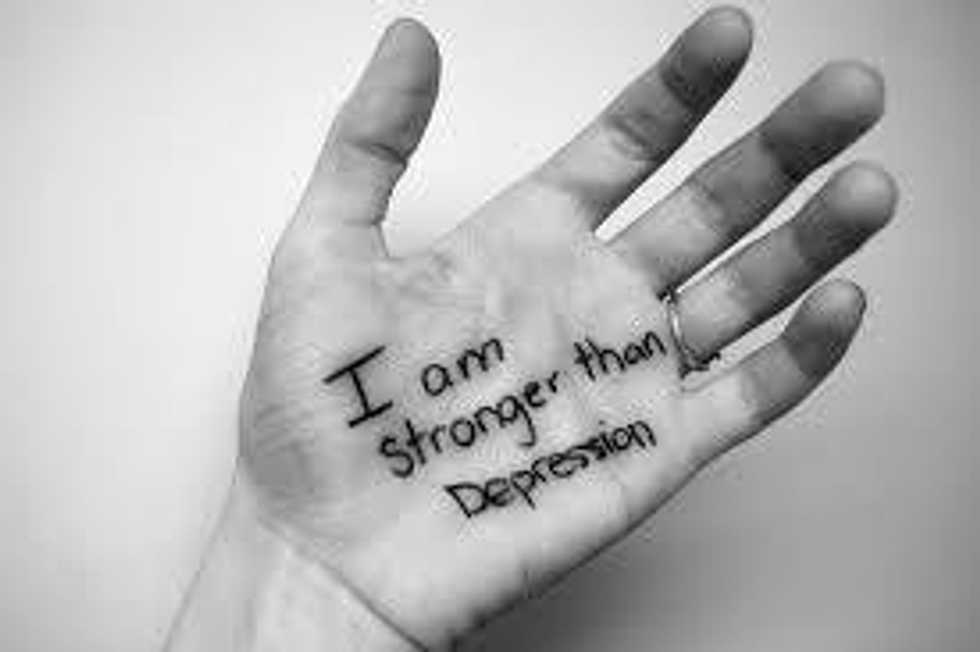
In our society mental illness is given a very negative stigma. Normally, society thinks of people with mental illness as those who are in psychiatric hospitals and who are unable to live normal lives outside of these hospitals. Many people who have depression sometimes end up in these hospitals or other rehabilitation centers so they can get the help they need, and not because they cannot think or do normal tasks on their own. What society needs to learn is that many people all around the world suffer from mental illness that may or may not be obvious to the average person. Those who have never had a mental illness nor know anyone close to them who have either may not truly understand what exactly it is.
A stigma is a mark of disgrace that sets a person apart. These stigmas make people feel as though they are outsiders and that a quality of themselves that they cannot change is extremely flawed.This is how most people with mental illnesses, such as depression, feel. According to the World Health Organization, one in four people, or 450 million people around the world, suffer from some type of mental illness at some point in their lives. Out of the 200 classified forms of mental illness, the most common include clinical depression, bipolar disorder, dementia, schizophrenia and anxiety disorders.
Depression is defined as an illness that involves the body, mind and moods. It affects the way a person functions. Anything can cause depression and varies between individuals. Depression comes in many forms and can be expressed differently from each individual. Some people are able to get the help they need and others are unable to because they do not know how to. When people are unable to get the help they need, they tend to feel a sense of loneliness and helplessness. This could lead to potentially fatal outcomes, such as suicide.
What society needs to learn is that mental illnesses can happen to anyone, no exceptions. The feeling of hopelessness can overpower a person and can sneak unwanted and false thoughts into their minds. It causes them to feel like nothing— like they are failures and have no other way of getting out of their current situations. Some people show more obvious symptoms than others and each person shows symptoms differently. Some symptoms of depression include irritability, fatigue, decreased energy, feelings of guilt and/or worthlessness, pessimism, sadness, loss of interest of things once pleasurable and many others. If you experience these symptoms, an individual is only diagnosed with depression if you experience at least one of these symptoms daily for at least two weeks.
What we need to learn is that everyone is struggling. Everyone has their own story. For our loved ones, we need to know the signs and see the changes in their moods. We need to know when to give them help. This goes for anyone we know. Just asking someone if they are alright shows them that someone cares, that someone sees the signs and wants to help. By just talking to someone, you are able to open up so many doors for that person to get help. Talking out our anxieties and worries to someone is the best medicine we can receive.
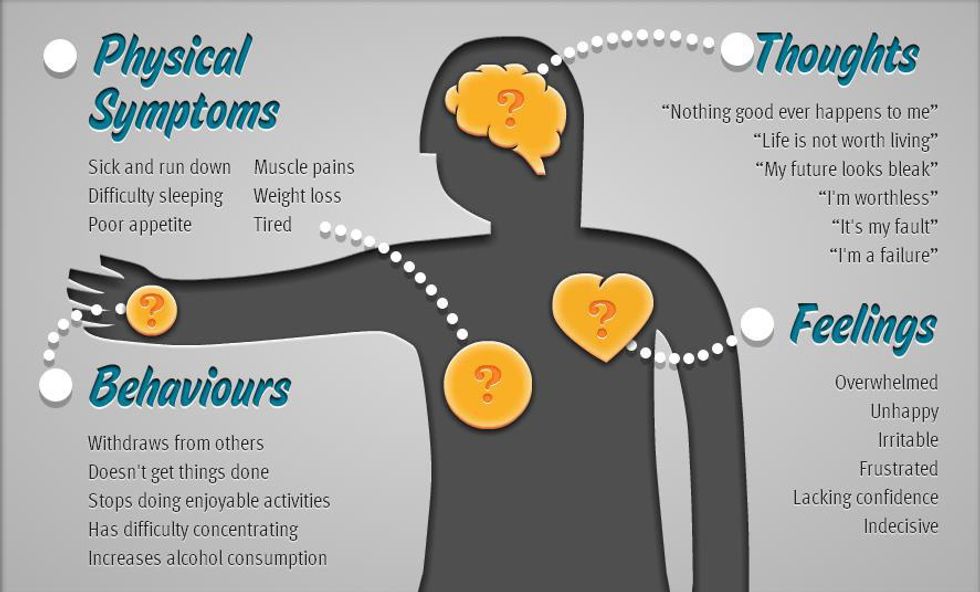
If you or a loved one is dealing with depression and/or feel suicidal, know that you are strong and can get through whatever you are dealing with. You are not alone. For more information, please visit the National Suicide Prevention Lifeline at http://www.suicidepreventionlifeline.org/ or 1 (800) 273-8255.