Robin Williams’ inspirational quote from "Dead Poets Society," "Carpe Diem! Seize the day, boys! Make your lives extraordinary!" should aptly
be accompanied with another of his sayings:
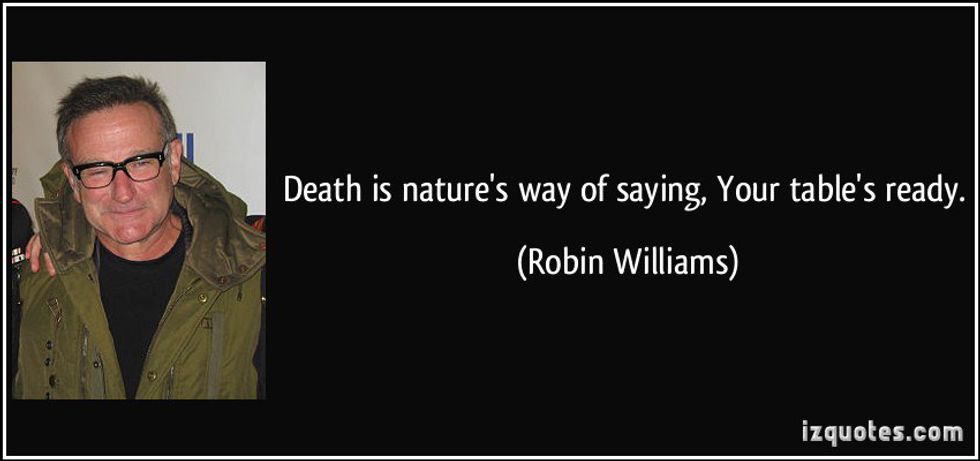
Death has been analogized to be a tough, bitter and ultimately cruel pill one has to be prescribed at least once in our lives. From distant great uncles to our best friends, we are coached to accept death at every corner of our lives. The dog your parents got you as a kid, to raise through its own life cycle, prepared you for when they had to break the news of your grandparents’ inevitable passing to you.
The emotional balancing acts we practice, put on and try to maintain following a death in the family are not easily attainable. The memories we later hold dear do not go away that easily.
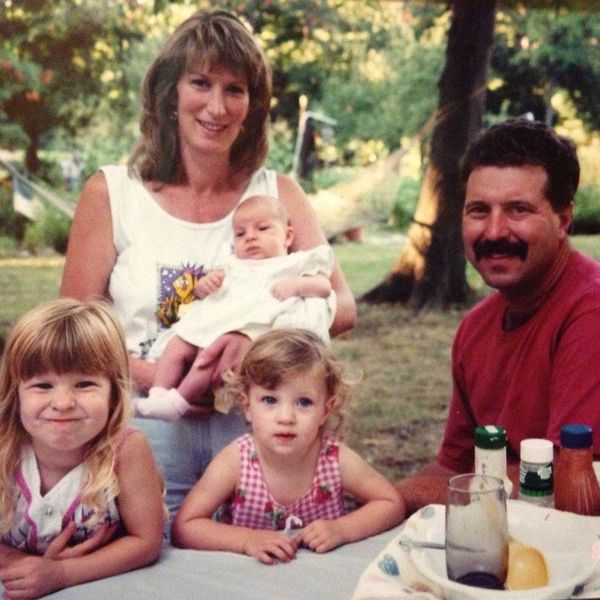
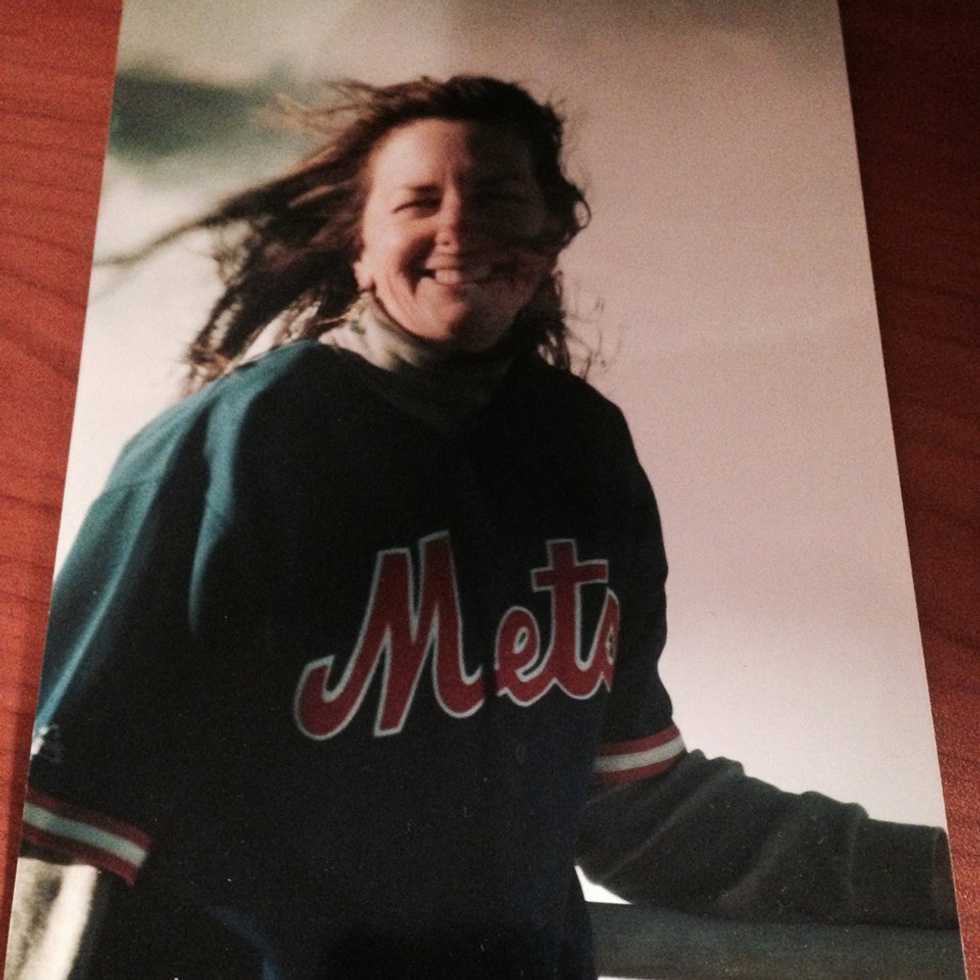
I was 5 when my mother passed away from colon cancer. She was a physical therapist specializing in children with special needs. Everyone loved her, from what I hear. And apparently I bear a strong resemblance to her, again, what other people tell me. My memories of her are scarce.
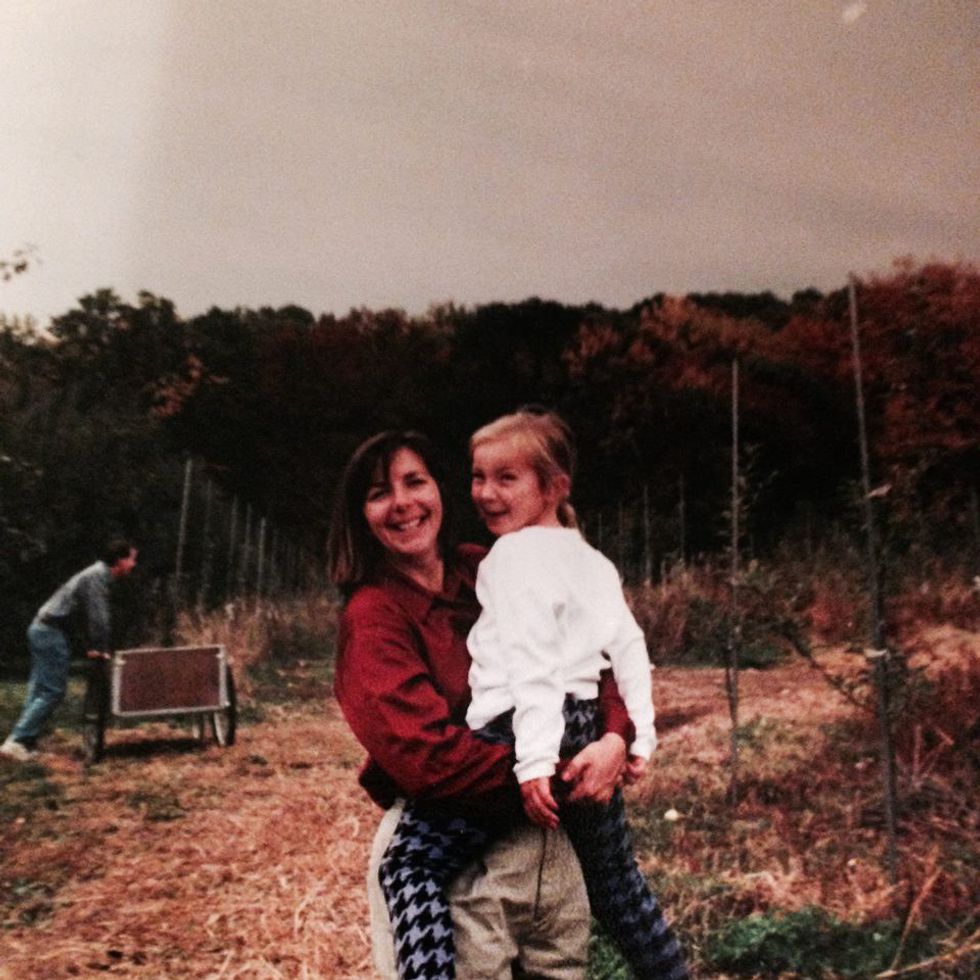
I am the youngest in the family; my older brother and sister being 5 and 9 years older than me, respectively. I was still too young to have developed solid memories that stuck with me. I only have bits and pieces of that time, not the rest of the puzzle that forms a coherent story. Playing checkers with my sister on my mom’s hospital bed in our house, going to the beach for our last Mother's Day as a family, playing a computer game with my much-older cousin that watched us the night after the funeral — not much after that.
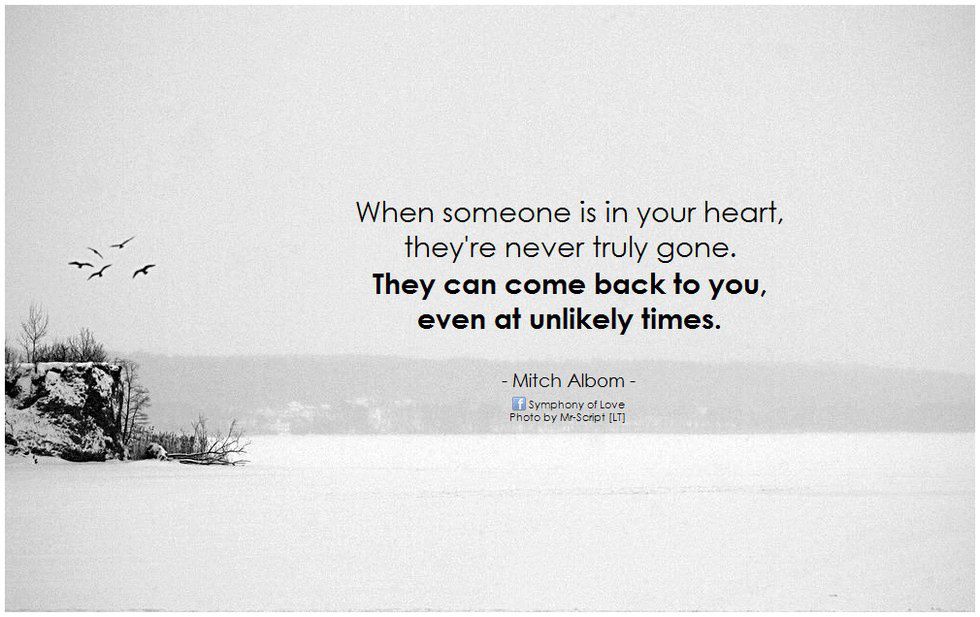
Blood is absolutely thicker than water and the more immediate a lost family member is, the harder it is to replace them. Rarely, people in your life — cousins, friends, mentors — can fulfill the roles of lost brothers and sisters, your heart willing. Unless past relationships are tainted (abusive, uncaring, abandoned), it is almost impossible to replace a parent responsible for half of your biological makeup, or according to nature versus nurture, one person accountable for making you who you are.
Ever since I could remember, I claimed the emotional baggage left over from my family’s loss as my own. It would be more appropriate to say that my mother’s passing was a part of my siblings’, father's or aunts' and uncle’s stories than mine. I was too young to really understand the depth of what went on around me; psychologists believe children only begin to develop a concept of death at the age of 5.
And for the longest time, I felt like I bore some mark from this tragic experience, from not growing up in a perfectly nuclear family. Only in recent years have I followed my siblings in shaking these demons off and securing stability, an inner peace with the circumstances. I can say that my mother’s death is no longer a defining moment to who I am or where my story will bring me. It is just the unfortunate background context that precedes my real story.
I still constantly think about the person that would be
my mother, but it feels better to know those hypothetical details do not dictate my every
action and inverse reaction, possessing some false correlation to my own current events.