

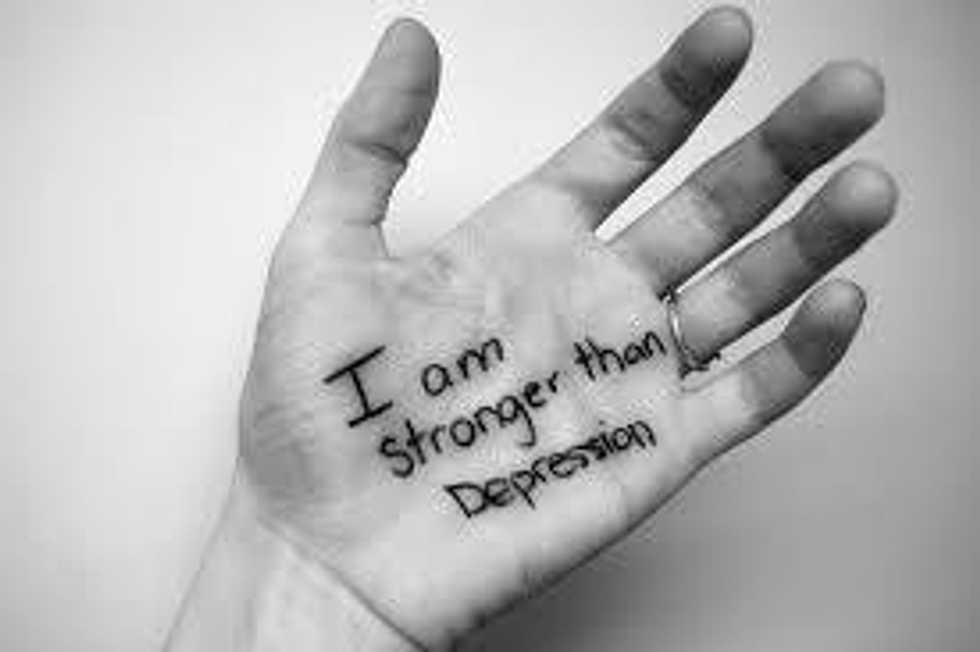
We all see it — the girl with the scars on her wrists or the boy who sits alone at the lunch table. I’m sure most people can talk about a tragic story of a classmate or friend who committed suicide. I know I can. A former classmate of mine died when we were just 13 years old. She was one of my best friends in elementary school. We played together on the playground every day, and then one day, just like that, she was gone.
We all see it, yet we refuse to talk about it. Depression in this country is skyrocketing, especially in teenagers and young adults. I had no idea my friend had depression. I also didn’t realize how common depression is. It is the second-leading stressor in college students, right behind anxiety. According to the Huffington Post, “Thirty percent of college students reported feeling depressed, which affected their schoolwork. Eleven percent of adolescents have some sort of depressive disorder by the age of 18.” I don’t know about you, but to me, that’s appalling. To put things in perspective, say you’re in a class of 30 people, that means at least nine people in that class have reported feeling depressed.
“When we think of depression, we think of the guy with the stormy cloud over his head, like the commercials for pharmaceuticals on TV,” says Sarah Speigelhoff, a counselor at Le Moyne College’s Wellness Center. “That’s the problem. We look for a quick fix, but sometimes that’s not the case. “ She went on to explain that not all cases of depression are as simple as having a chemical imbalance in the brain. “Sometimes it’s not as simple as giving someone medication. Sometimes we have cases where an event has made someone depressed such as a loss of a family member, this can mean counseling, which takes time.”
So often people seek help through their families and friends, but are shot down by phrases like, “You’ll be fine, just get over it,“ or, “It’s just been a bad day,” or, “Your life can’t be that bad.” According to Speigelhoff, this is the worst thing you can do. “While you might not know exactly what to say to someone going through depression, the best thing you can do is just be there to listen, be supportive.” Listening to Speigelhoff makes me wonder sometimes if my friend felt that she was alone. It makes me wonder if I had been a little more sensitive, would she still be here?
There are multiple things here at Le Moyne to help anyone who may need some help. The first being the Wellness Center here on campus. If you’ve never been, it’s one of the best places to be. Comfy couches, the friendly secretary and a cup of coffee or tea welcome you. The center also has an incredible staff of counselors ready to help you with any problem you may have. Starting on Monday, the Wellness Center will be doing depression screenings outside the cafeteria. They also have a weekly program called “Overcoming Anxiety,” that will be meeting on Mondays starting on September 21. In about three weeks Le Moyne will be kicking off You Are Not Alone week. This is a chance for us to really get educated about how to be a friend and look out for each other.
This past Thursday was Suicide Prevention Day. It was a day to bring awareness to the tragedies of suicide that occur every year and to remind us to be a friend. We live in a culture that is so focused on ourselves, that we often forget the other people that need our help. But I want to believe that as a Le Moyne community, we can be different than the norm. I challenge you to be different, to break the stigma, not only on Le Moyne’s campus, but also everywhere you go. Like we say all the time as a community, “all in, all one, all ‘phins.” It’s time to come together, as one community, and really be “men and women for others.”