You’ve heard it 100 times before: Society puts pressure on women and girls to look a certain way on the exterior. In a world where makeup, pushup bras, hair straighteners and meal replacements persist, we come to question society’s implicit expectations of female physical beauty.
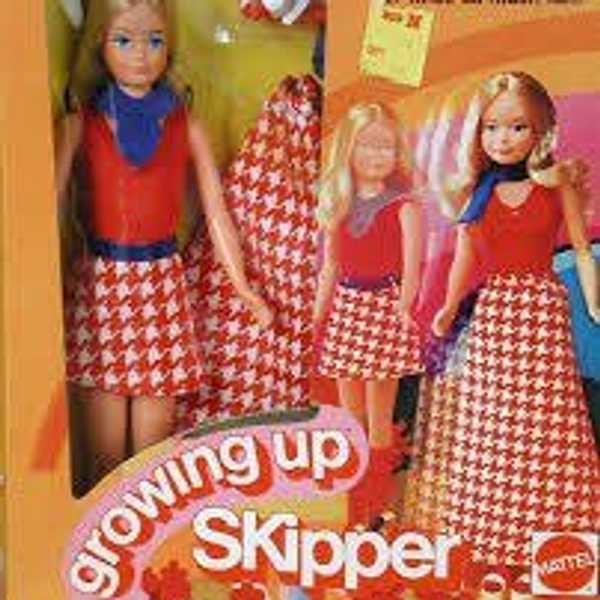
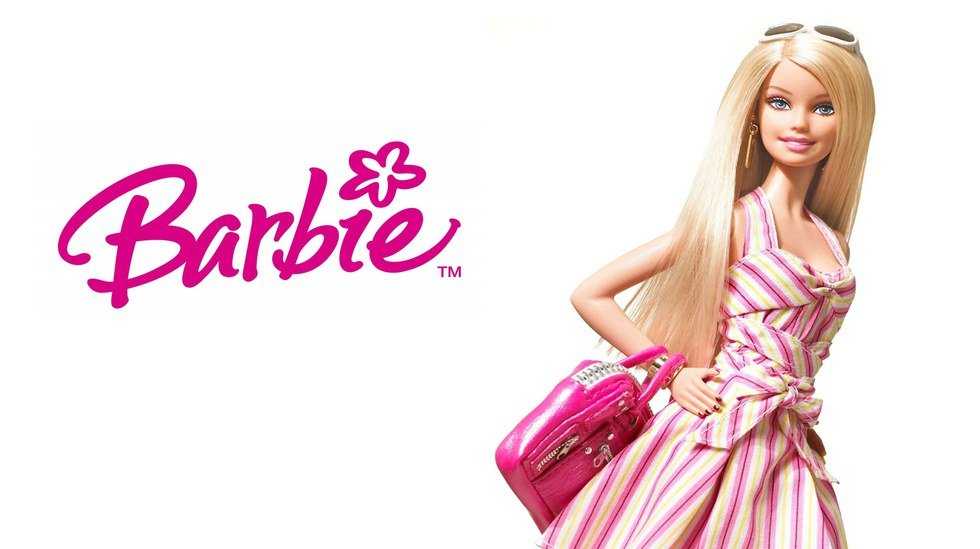
It starts in toddlerhood when young girls unwrap that all too familiar rectangular plastic box for their 4th birthday. Unlike many other things in life, Barbies don’t come in all shapes and sizes. They follow a “one size fits all” model where that one size is the smallest, most attractive size. Girls come to idolize the way these dolls look — long hair, thin waists and big breasts are no manufacturing mistake. Good luck finding a blemish on that forehead or one stray eyebrow hair. This formulaic appearance gives young girls something to follow, something to become, something to look up to.
This manifests itself again with the Disney Princess era, which might overlap slightly with the Barbie era. Name one Disney princess who is the least bit overweight (or even an average size). Just under one-third of all American girls are considered overweight or obese (thanks, NIH). Such a significant proportion of our young female population now feels immediately excluded, unwanted and unaccepted. Aurora, Ariel, Jasmine, Belle, you name it — long flowing hair and thin bodies prevail (I admit, Snow White rocks the short hairdo, snaps for her). Parents make the trek to Disney World and Disneyland solely to get a picture of their young daughter next to Elsa and Anna and, of course, the traditional princesses. These girls want nothing more than to be graced by the presence of these royal ladies. Just like young boys can’t stop wearing Batman, Spider-Man and Superman apparel, young girls vie for the Disney Store’s princess dresses just so they, too, can look just like the actual princesses.
It doesn’t stop there. By the time girls reach their tweens, they’re engulfed in Abercrombie and Hollister where nothing above a size four exists in the store and models look borderline anorexic. The last time I wore an Abercrombie shirt, it was way too tight in the torso and came down over my thighs. Why are these shirts made so long and lean? Stores like these perpetuate the notion that female bodies should be just that: long and lean. Slightly over the 50th percentile in weight? Still working off some of that baby fat? There’s not a prayer that there will be clothes in these stores for you. With clothes in popular tween stores designed in this fashion, girls can’t help but wonder that maybe if they were a little taller or maybe if their stomachs were a little flatter, maybe, just maybe, these shirts would fit better and they’d be able to fit in more with the “popular” crowd.
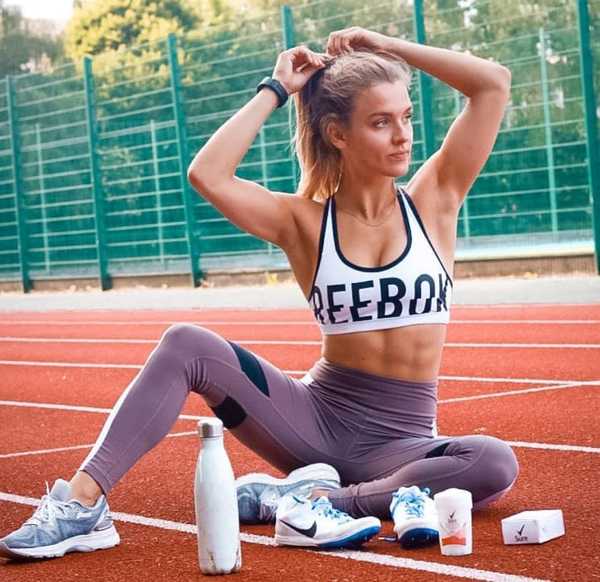
And for my age folks, we turn to Facebook and Instagram where the unrelenting battle for likes persists. We post selfies in provocative poses and add contrast to our filters to morph our bodies to the societal mold deemed perfection. You got over 100 likes on your bathing suit selfie? According to most other girls, you just won brownie points on the pretty and popular scale. That overexposed V-neck selfie was really only posted to grab attention, to get likes and to prove that you can fit into the puzzle of female beauty that society has crafted. (Side note: I’m guilty and in no way implying that I’m not.)
So what happens now? We’re living in an era where unrealistic expectations are the norm. As I see my generation of women conforming to these expectations and younger generations stepping right on that same harrowing path, I can only hope that, in my lifetime, I will continue to see this mold fade away. Even in my young adulthood, I have witnessed the beginning of change and I only crave more as the years progress.
TL;DR: Don’t let your daughters idolize Barbies, Target has a great apparel selection, and rethink the true intention of that Instagram selfie before hitting post. Don’t conform to societal standards of physical beauty; you do you.