1959, a year taut with neon and nylon. Little girls have their hearts replaced with patent leather, hold their hands over their heads in class, pray to prevent apocalypse of their mother's American mouths.
1959, the year Barbie dolls debuted. Based on a bachelor party gag gift named Lilli with similarly unrealistic proportions, she comes with a striped swimsuit, gold hoop earrings, and a developed adult figure. Most dolls that predate Barbie are infants, modeled for young girls to play homemaker and foster their natural sense of nurturing. Ruth Handler found her inspiration for creating Barbie in her young daughter, Barbara, who was enamored with teenage culture, from milkshakes to saddle shoes. The idea of an adult doll to play out dreams for the unfathomable, ubiquitous future had broader appeal than even her inventors anticipated; Barbie dolls remain a playroom staple half a century later. Almost every woman in America has either owned, borrowed, or begged for a Barbie doll.
At the low end of eight, my friend helped me give all my Barbies bob cuts. Our Barbie dolls sought refuge from war-torn London in a plastic gazebo, Ken acting as the nameless villain, alone and omniscient as God. Boys had no place in our fantasies of European conflict borne of too much time spent reading during recess. Barbie was a vehicle for our ideas. I never thought about her body; this is not to say that there wasn't some sort of implicit association, that limbs like pipe cleaners were a tacit prerequisite to achieving the improbable. I, too,had always been skinny; five pounds at birth, fifty on my tenth birthday; It wasn't until I began treatment for anorexia that I became cognizant of how problematic it is to have one of the only adult dolls for little girls have the proportions of a woman with DD breasts and an 18 inch waist. Barbie is not a superhero, a book character, or a historical figure; she is literally a woman, objectified, a pink plastic body with pink plastic lips and no tongue between them.
This week Mattel, the company that owns Barbie, announced a new collection of dolls with a wider variety of skin tones, hair colors, and body types than have ever been offered by the Barbie line of dolls before. Despite this development, keep in mind that Mattel is a for-profit conglomerate, and most likely made this changes largely due to increasing pressure from the market (read: mothers). Barbie has been losing market momentum to similar dolls with more accessible story lines, such as Disney Princesses with ice powers. Now, few if any of these other toys are perfect or even much better than Barbie, but with her convoluted history, a fresh start doesn't look like a real option; only small steps forward; thicker hair and thicker thighs. However, incremental diversity isn't enough.
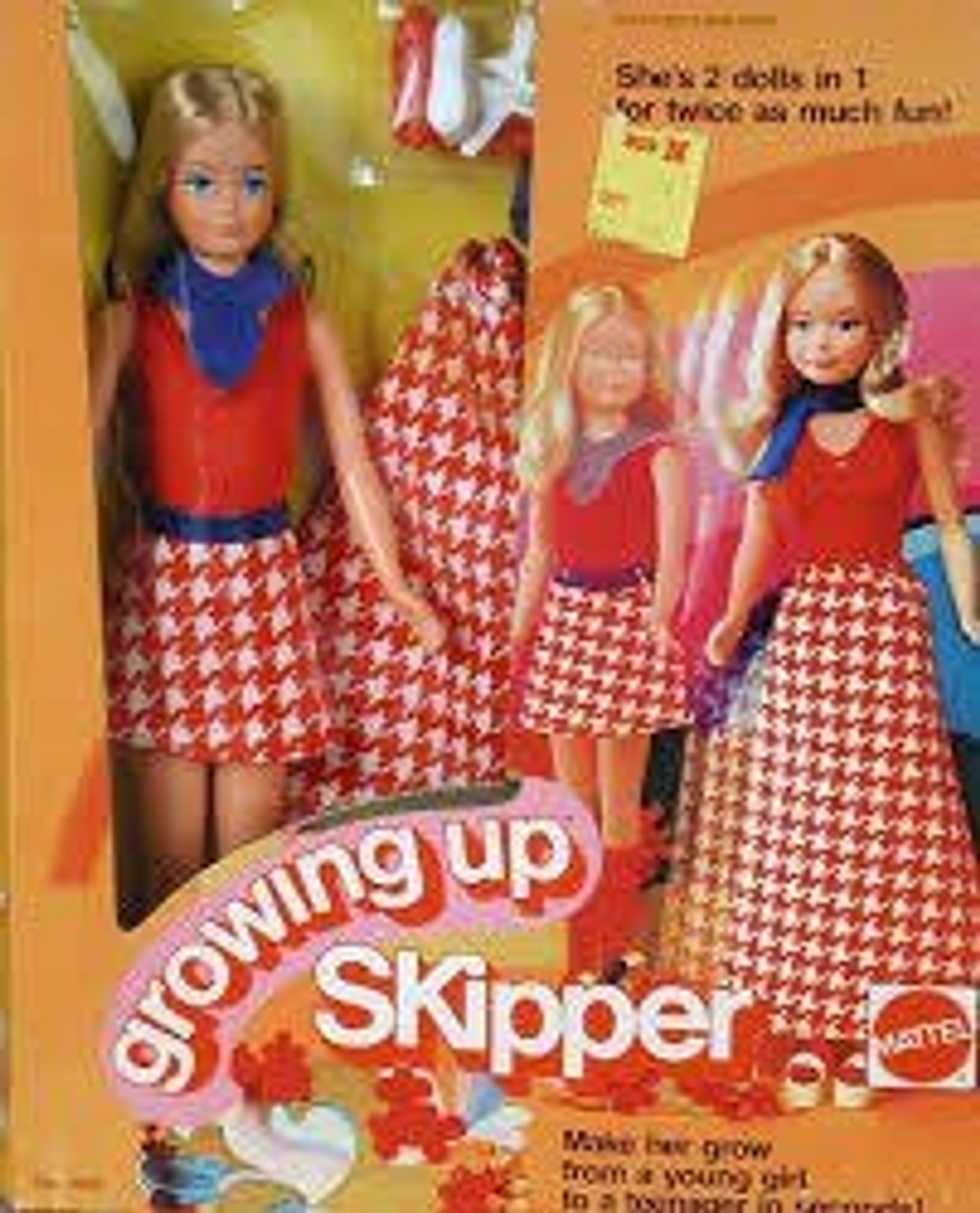
From the "Growing Up Skipper" doll (in order to turn this child doll into a teenager, girls were instructed to crank her arm; her chest would proceed to stick out more, and she would grow taller), to the slumber party doll that came with a book entitled "How to Lose Weight", which could be opened up to read "Don't Eat", to "Teen Talk" Barbie, who spat out catch phrases such as "math class is tough" and "let's go shopping!", the fashion doll empire is no stranger to controversy. Barbie has faced consistent criticism from concerned parents, eating disorder activism groups, and all sorts of other organizations. Despite her varied resume (Barbie has worked as a fry cook and as an astronaut), Barbie lacks any legitimate empowering attributes. It's going to need to go a whole lot farther than a half inch addition to her hips for Barbie to keep her place of prominence in an industry endorsing even quasi-equality.