
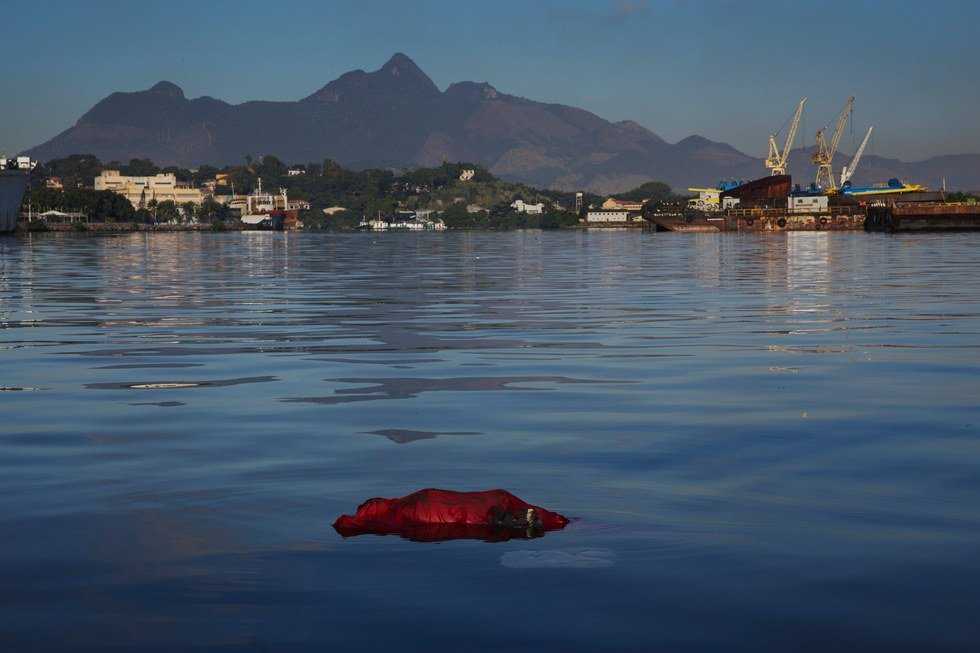
With the Olympic Games approaching swiftly, many worry about the safety in Brazil, the host for Olympics 2016. In addition to crime and political unrest, Brazil is faced with environmental and sanitation issues. Many of the country’s beaches, which are bound to attract tourists visiting Brazil for the Games, have been deemed “unsuitable” according to the State Environmental Institute.
After winning the bid to host the 2016 Olympics, Brazil pledged to improve environmental conditions and water quality. According to a New York Times article published on July 26th entitled "Keep Your Mouth Closed: Aquatic Olympians Face a Toxic Stew in Rio," Brazil had, originally, planned to invest $4 billion to improve its sanitation system. Due to corruption and ongoing financial distress, the government was unable to contribute the pre-established amount, spending $170 million.
Even when funds have been available in the past, attempts to maintain environmental quality have been unsuccessful. One of Brazil’s local engineers, Alberto Soares, recalls an earlier endeavor to clean up Brazil’s sewer system. That project had a reserve of billions of dollars, compiled by international donors. Ultimately, maintaining water treatment plants and pumps proved challenging, leading the system to disintegrate.
The Olympic Committee and Brazil’s government have acknowledged the issue of pollution, but have tried to reassure athletes and tourists. They claim that beaches set to hold swimming and rowing competitions meet World Health Organization standards.
In addition, Olympic athletes remain motivated and eager to compete. Megan Kalmoe, a member of the U.S. women's rowing team, emphasized the hard work and effort that athletes exert in order to get to the Olympics. Rather than dwell on issues, such as pollution, Kalmoe opts to be grateful for her "unique opportunity." In addition, she hopes to promote strength and bravery, showing her loyalty to America and her desire to bring the country glory and pride.
Even though the Olympics must go on, the recent evaluation of water quality highlights a global struggle: creating and maintaining a safe, clean environment. While Kalmoe is determined to go on and compete, she, too, recognizes that there is a problem.
Andrea Correa, an environmental official in Brazil, feels that, "the Olympics has woken people up to the problem." Indeed, such a symbolic and harmonious event draws a lot of attention, both good and bad. The safety and health of locals, tourists, and athletes in Brazil are at increased risk, which taints the pristine image of the Olympics. This awareness, though, can serve as another means of motivating people around the world to tackle environmental issues and social disparity.
The Olympics is an opportunity for countries to come together to support athletic endeavors. It is also the perfect moment for countries to unite in supporting each other.