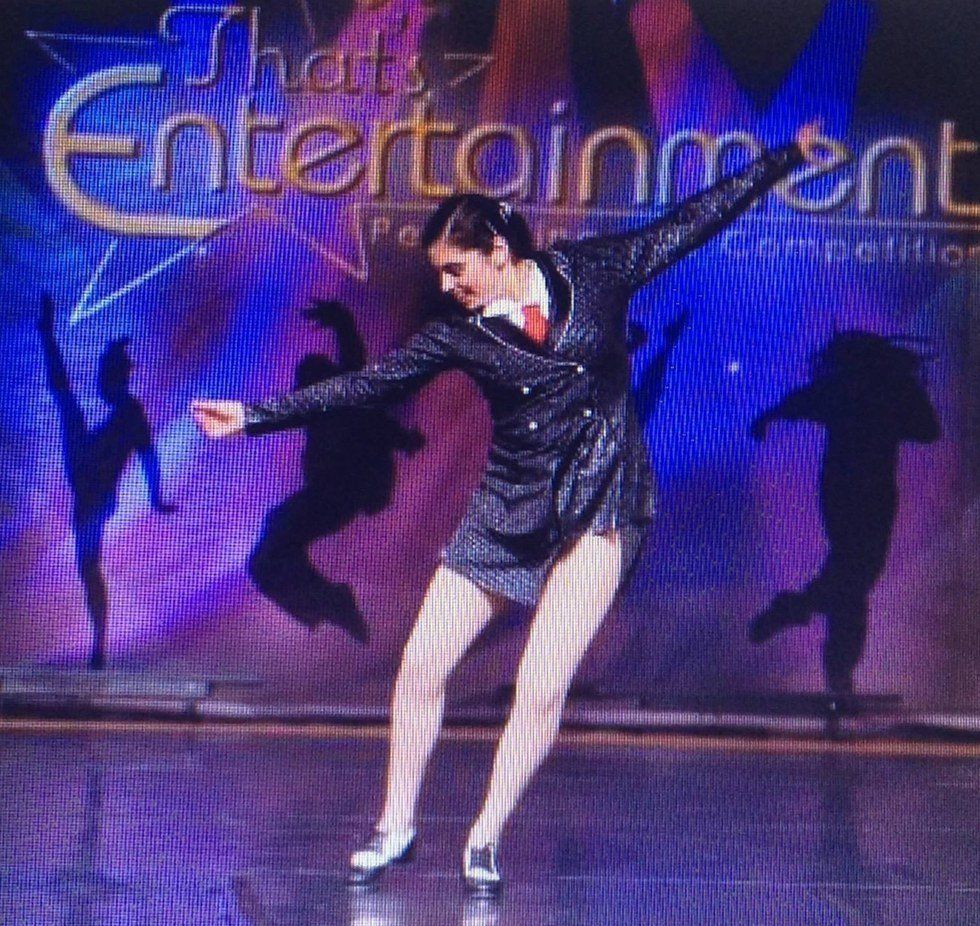
Applause fills the performing arts center as the routine ends. I suddenly clamp up as I realize it is my turn to perform my solo. I want to run away and hide. I cannot go out there by myself. What if I forget the dance onstage? What if nobody claps for me at the end of my dance? What if I trip over my own feet? What if I score lower than I usually do? I push these questions away and force myself to go onstage when they announce my routine, even though the voice inside my head tells me to sprint in the opposite direction.
The applause dies down and the lights are shining in my face. I feel sick to my stomach. I doubt myself. But then, my music starts, and all of the intimidating "what if" questions disappear. The only thing I can think about is performing my choreography to the best of my ability.
I am a competitive dancer, and I have anxiety.
Anxiety can enter the minds of people everywhere. Race, gender, social status and age do not matter. Anxiety is greatly misunderstood by many people, as people with anxiety are often portrayed as people who cannot leave their houses due to their mental state. While anxiety affects some people in this manner, it is different for every person battling this particular mental disorder.
For example, people who are involved in band or chorus or theater or sports or dance do not get a pass when it comes to anxiety. Maybe they perform in front of large crowds every single day of the week. They still might be fighting severe anxiety.
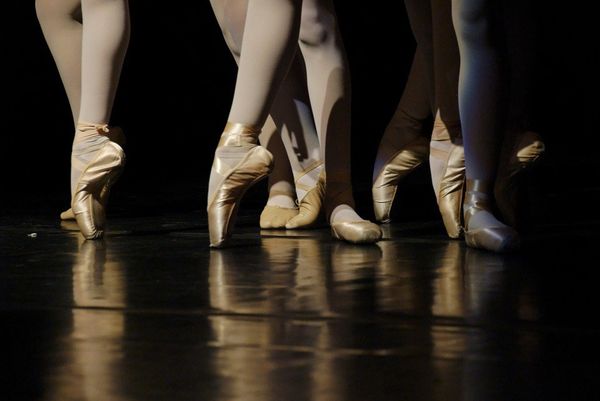
In the case of a dancer, she has to be ready for whatever comes her way during a routine. If her music stops working in the middle of a routine, she must keep going as if it didn't even faze her. She does not get to use her anxiety as a clutch or an excuse. Her anxiety will be glossed over by all of the people in the audience including the judges, who will assume it is ordinary stage fright. Unfortunately for this dancer, she will have to put her anxiety aside and give it her all. Except anxiety can't just simply be put aside. Therefore the battle of anxiety versus dancer ensues.
As a competitive dancer who deals with anxiety on and off stage, I can attest to how vicious this battle can get. Even during a dance class without the lights or the judges, it can still be extremely difficult to force yourself to perform the way you were trained. The stage and the glamour elevate this difficulty to a new level, a level which is not easily completed.
I was lucky. I was able to overcome my anxiety and perform my choreography to the best of my ability on stage. However not every dancer is as lucky as I am. They go on stage only after crying thousands of tears. They come off stage hyperventilating in the middle of a panic attack. Sometimes, they don't go onstage at all.
The battle between anxiety and the dancer will never end, and that needs to be recognized.