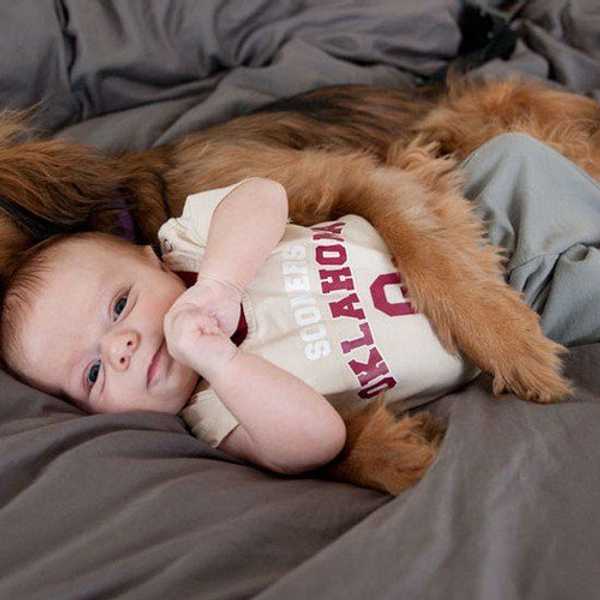

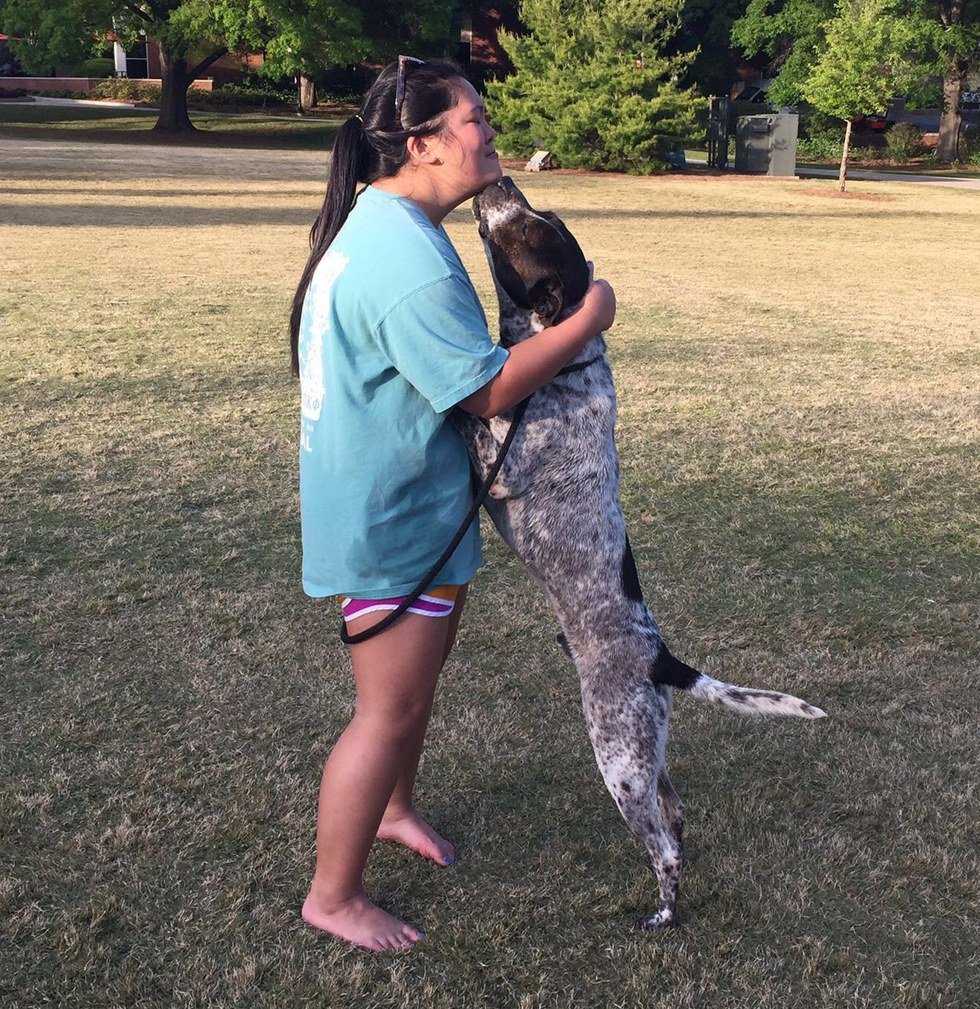
Whether it’s once a week or once a month, animal shelters and rescues need your help! Other than getting cuddles and kisses from our four-legged friends, here are seven reasons why you should volunteer at your local animal shelter.
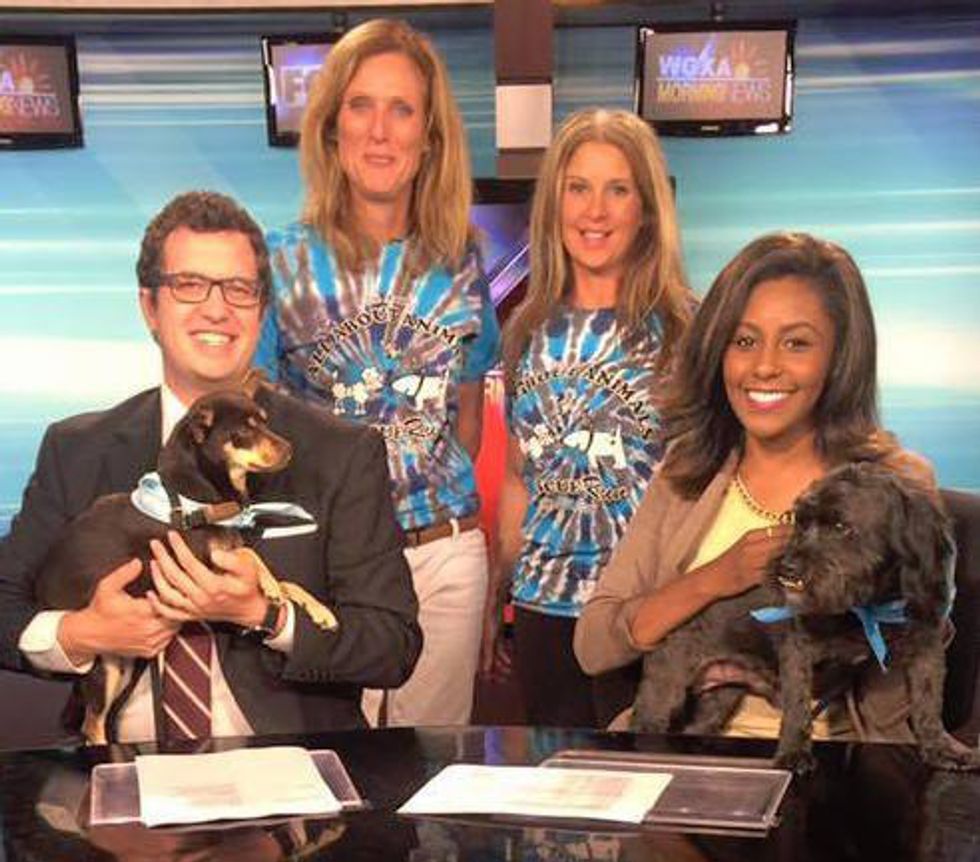
Meet new people and make new friends.
If you’re shy like me, it’s pretty hard to put yourself out there to meet new people, but at the animal shelter, everyone there already has something in common with you: they love animals! Whether you’re a dog person or a cat person, your passion for the well-being of the animals is sure to get you both talking, and who knows? Maybe you’ll have more in common than you think!
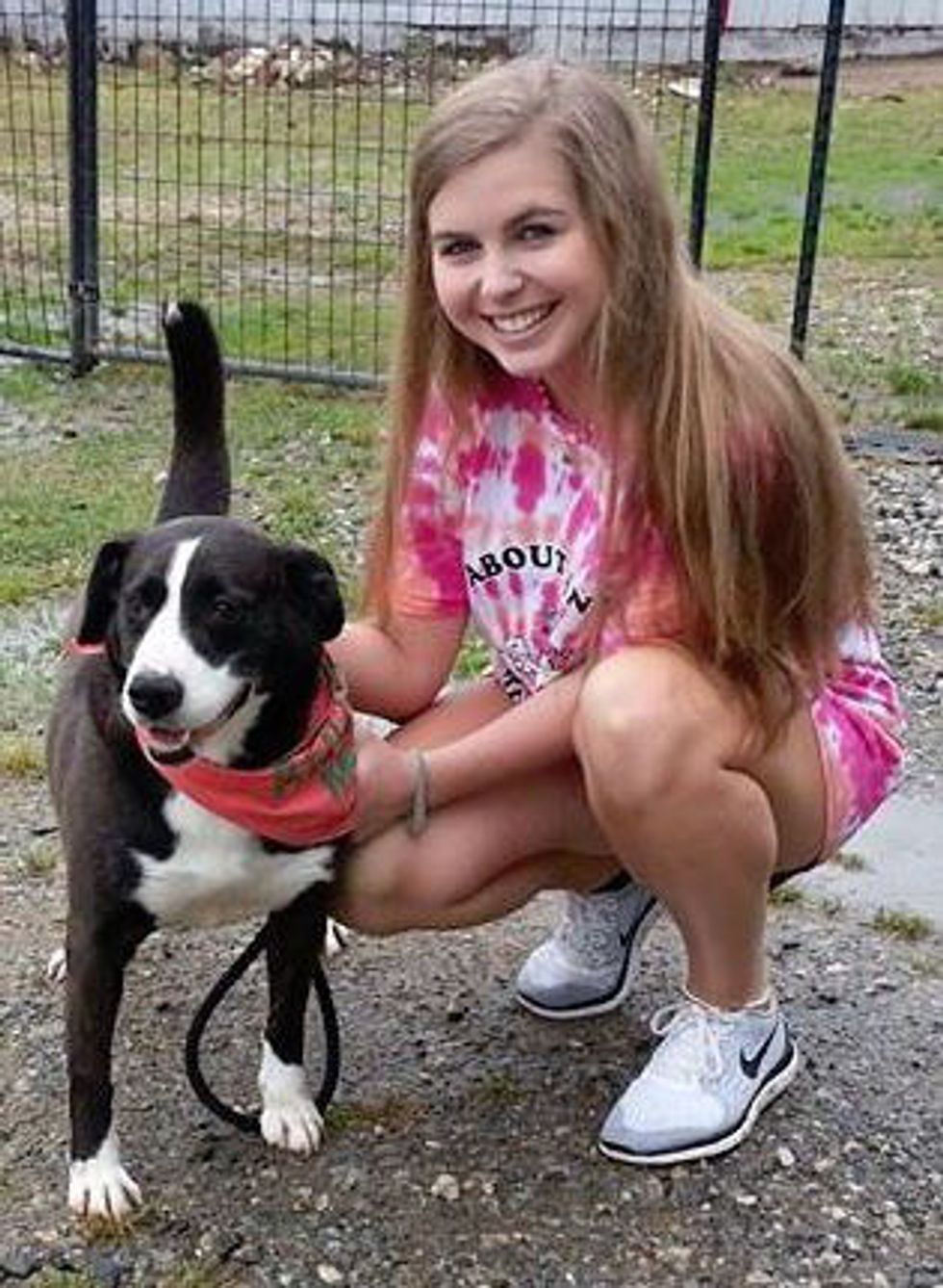
Spending time with the animals prepares them for adoption and increases their chances of finding a home.
Unlike the animals at a pet store, the dogs and cats at animal shelters are stray, lost, abandoned, or surrendered. This means that they have had little to no human contact or have not had a good relationship with their previous owner, leaving them untrustworthy of all humans, but volunteers can change that! With a little bit of love and a whole lot of patience, volunteers can help transform a scared dog into a happy pup!
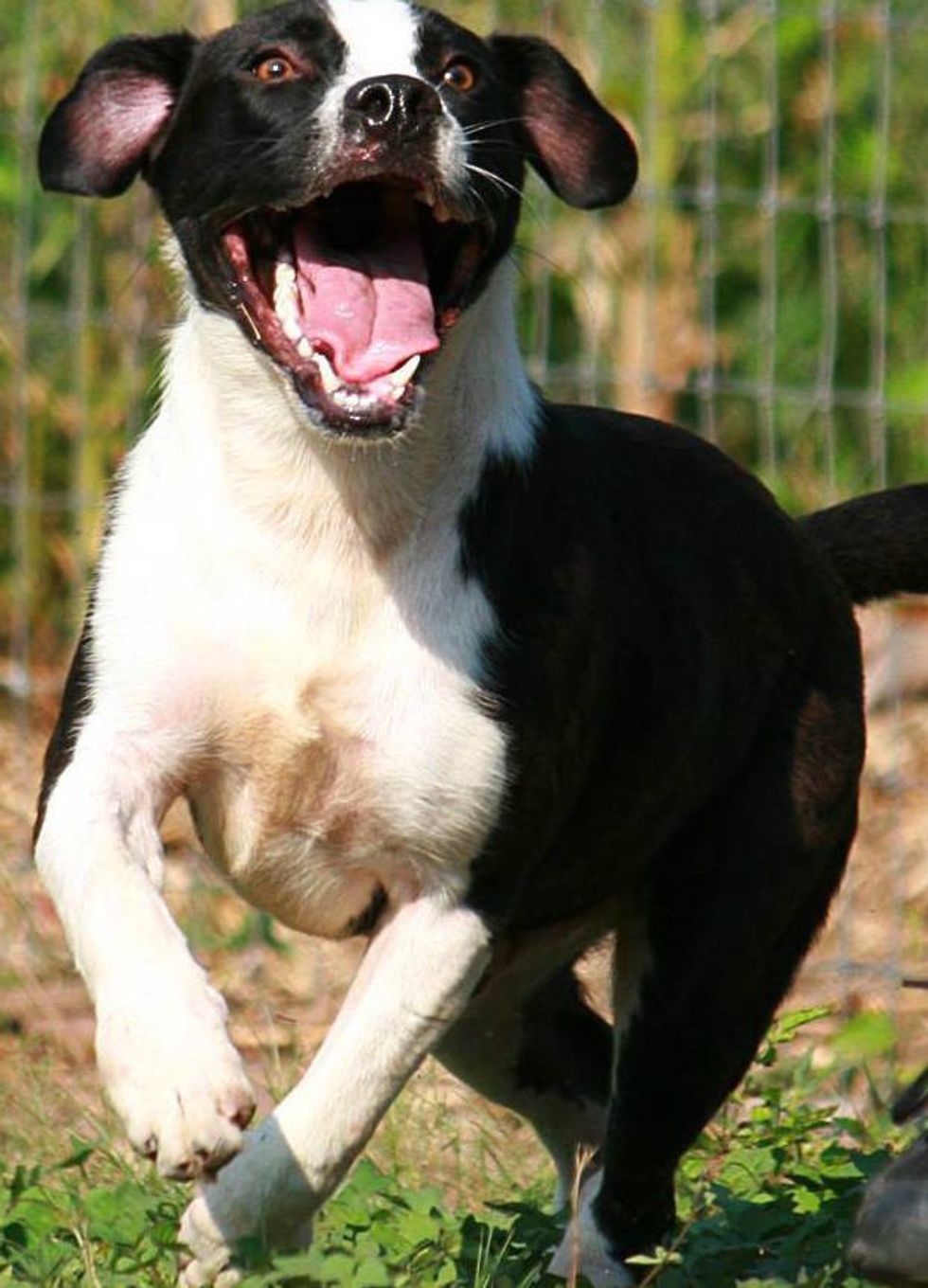
It improves your mood.
Animal shelters are the perfect place to unwind after a stressful day. Not only are you helping the shelter’s staff by walking dogs or taking them out to play, but seeing a toothy grin or a wagging tail will instantly boost your spirits!
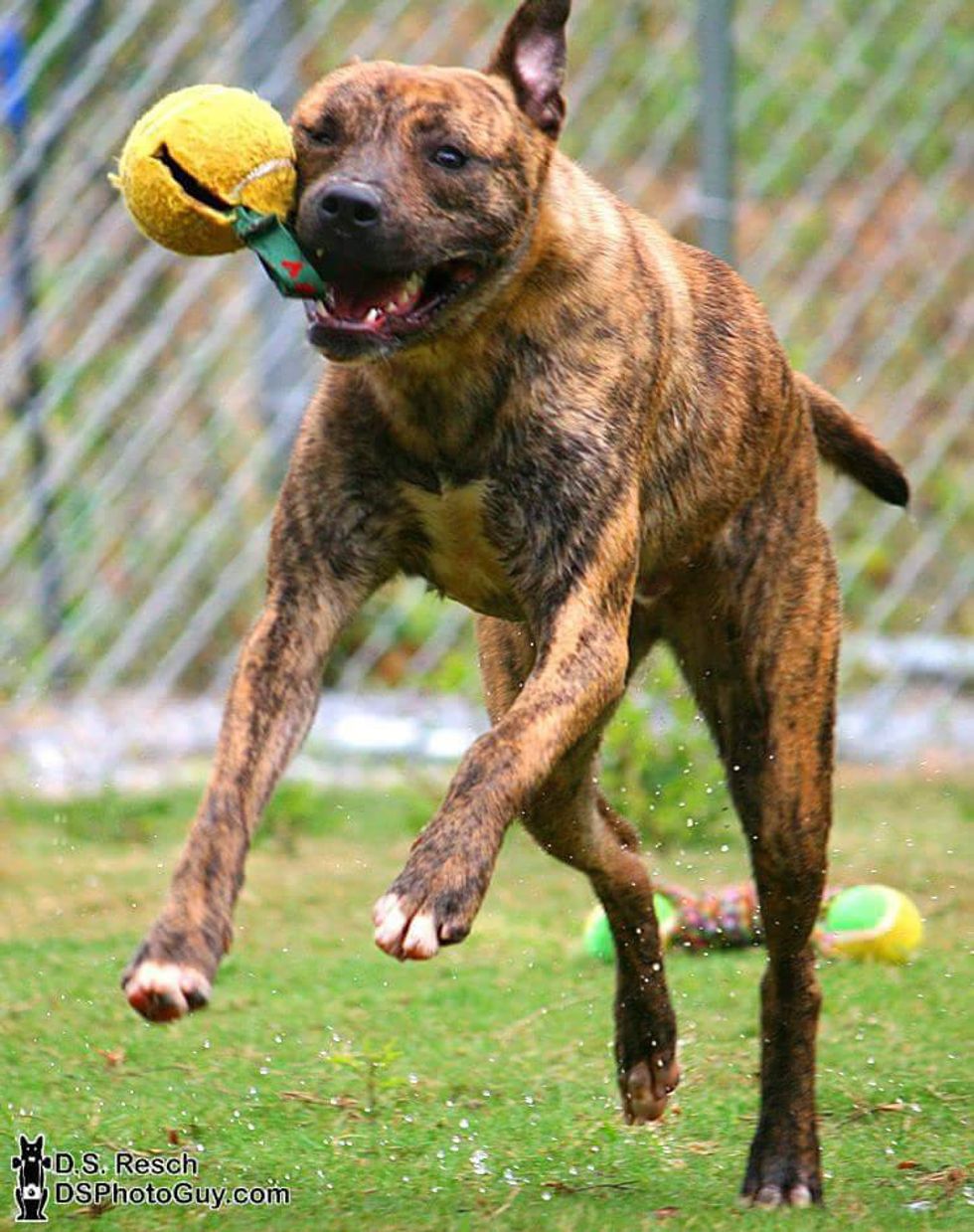
It’s a great workout.
If you’re anything like me, you loathe going to the gym, but volunteering at the animal shelter is a pretty good substitute. Whether it’s arm day because you’re playing tug-of-war with a 50-pound dog or leg day because you’re running after a pup in the play yard, you’re guaranteed to go home with satisfyingly sore muscles.
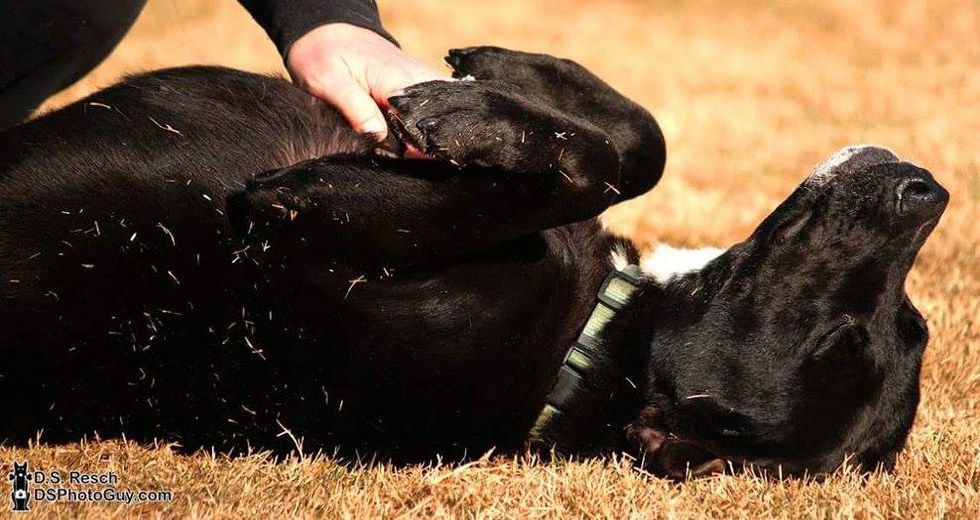
Gain experience and learn something new.
Prior to volunteering at my local animal rescue, I was fearful of bigger dogs. I had never been around them and was intimidated by their size. Now, after volunteering almost every day for about a month, I am calmer around large dogs, more aware of the signs of good and bad dog behavior, and more knowledgeable about how to take care of them and interact with them.
Volunteers keep rescue shelters up and running.
No-kill shelters save cats and dogs from being euthanized by pounds and animal control centers, but they receive little, if any, government funding to do so. As a result, they have to rely on volunteers to help walk, feed, and bathe the animals and keep the facilities clean. It’s also helpful to have volunteers act as liaisons between the animals and the public, such that when a family is looking to adopt an animal, the volunteers are able to provide specialized advice and guidance on which animal would be a good fit for that family (and whether the family is a good fit for that animal).
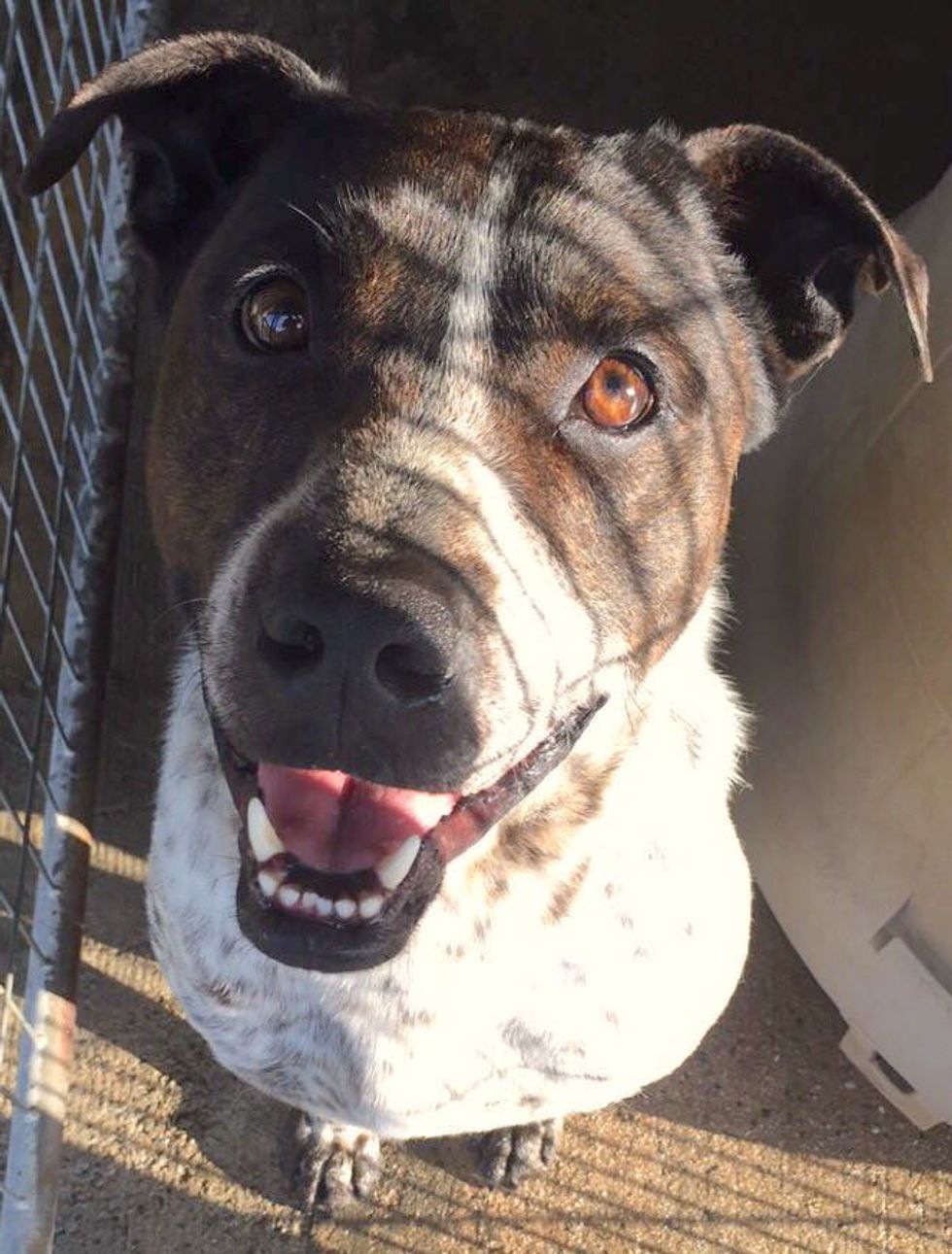
Meet (and adopt) a furever friend.
Choosing a pet is a big decision, and people are often quick to pick a pet based on appearance, but volunteering at an animal shelter gives you the opportunity to get to know many different animals on many levels––how they play, their energy level, how well they behave with other people or animals, and how much training they’ll need. You might just find your new best friend (or friends) and give a deserving animal its furever home.