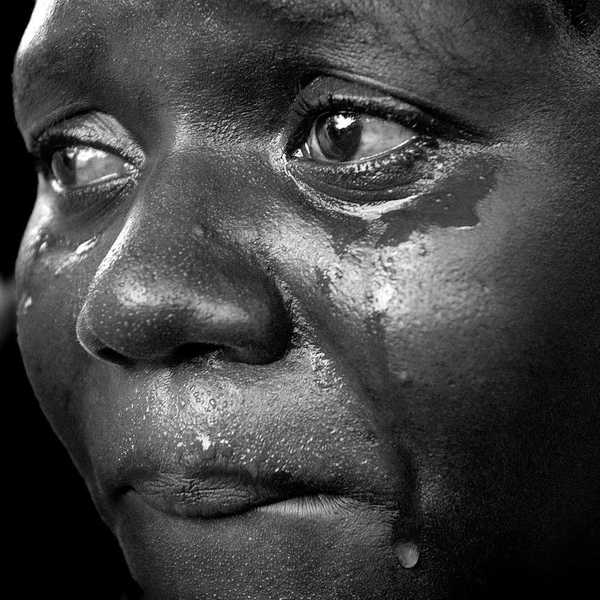

The concentration of abject anger, hatred, and terror we have witnessed in our nation over the past few weeks has spawned a frenzy of doubt and fear. The palpable sense of impending doom hovers over our conversations online and in real life as the unspoken question lies in wait: What if we’re next?
Most of us would spring into action to save anyone on our own doorstep. But when it’s a horror happening to victims hundreds of miles away, we often find our immense desire to help tempered by an overwhelming sense of helplessness.
What in the world can we actually do to help?
Plenty.
1. Accept that your response is normal and healthy.
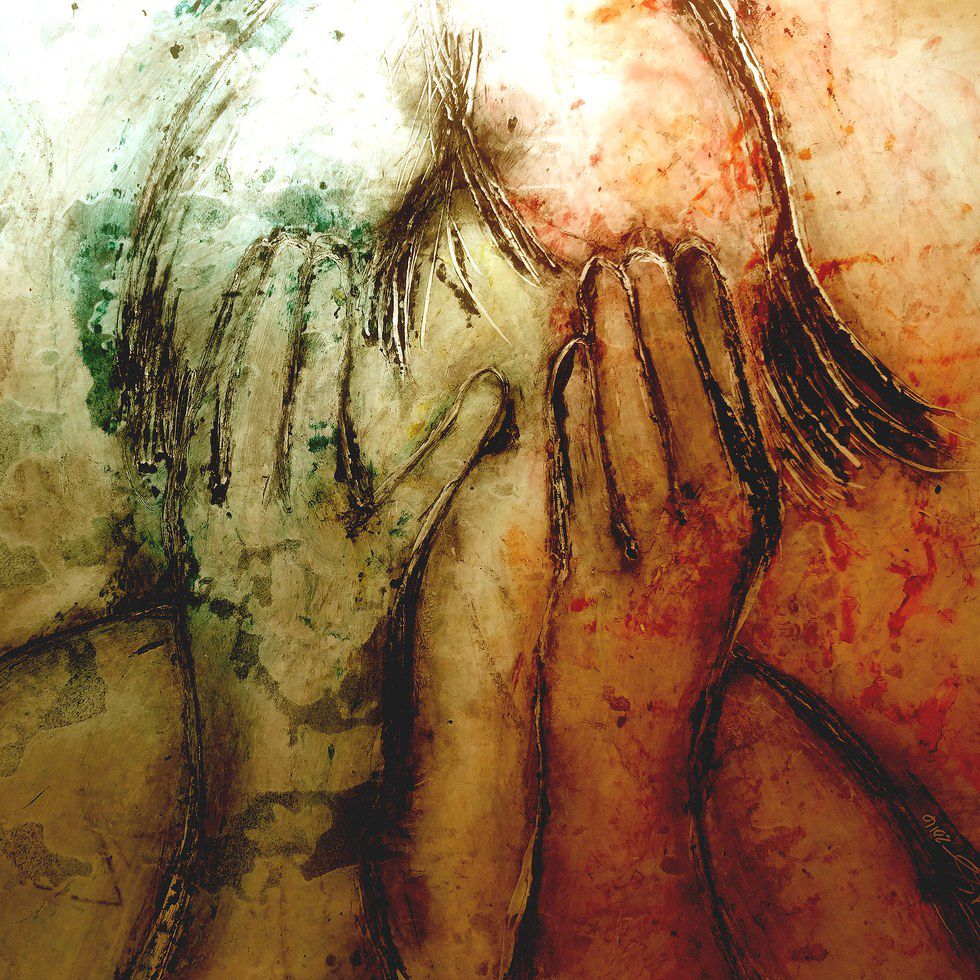 It can be guilt-inducing to be scared when nothing is actually happening to us. But something is happening to us. Vicarious trauma from consuming terrifying images and stories can readily ignite our innate fear responses whether a personal threat is real or imagined.
Our bodies contain fantastic, yet physically and emotionally depleting, mechanisms for handling trauma. We watch our newsfeeds with deep breaths and wide eyes as the fight or flight response rises under our tightened jaws and quivering chins. Every fiber of our being pulses with the need to do something, anything to set things right. Having an understanding of why we feel and respond the way we do gives us a sense of control and stability that is necessary to help the world judiciously and effectively.
2. Break the ice and balance the scales.
 The very empathy necessary to efficiently respond to the needs of others is the same one that can keep us from doing anything at all. The key to breaking the fear cycle is to balance our empathetic reach closer to home. Otherwise, we assume the problem is so big there is nothing we can do. The third “F” of fight-or-flight response kicks in and we freeze. We log off social media, turn off the TV, and go about our days, effectively disassociating from the event. Eventually, we feel safe again and turn the TV back on only to discover another homeland disaster. The cycle of fear will repeat until we bring our empathetic focus back to our immediate surroundings.
3. Name the villain.
 Condensing the amorphous concept of evil makes it that much easier to engage and defeat. Label the issue or action you believe is the root of the horror at hand. Is it unchecked power? Imbalanced laws? Prejudice and oppression? Self-righteousness? Lack of understanding? Corrupt leadership?
There is no one right answer; we don’t have to agree on the existential nature of malevolence. What matters is that we understand these same problems the media report likely exist in small ways in our everyday lives.
4. Narrow your scope.
 It's true — we can’t save the whole world. But even if we could - would it be wise? As decades of research on non-profit organizations reveals, when it comes to solving socioeconomic and cultural problems, the one-size-fits-all big ideas are generally wasteful at best and harmful at worst. What works for one community won’t always work for another.
Social change begins at a micro level. Our best bet for helping overcome the hurt we see in the news is to begin in our own backyards. What action can we take in our own communities to counter the root problems we’ve identified? If you believe there needs to be more diverse leadership in the world, lead a local civic group or the PTA. If you think the world would do better if we were more personally connected, host a neighborhood block party. If you’re convinced children lack good role models, join the Big Brother program.
5. Assemble an army.
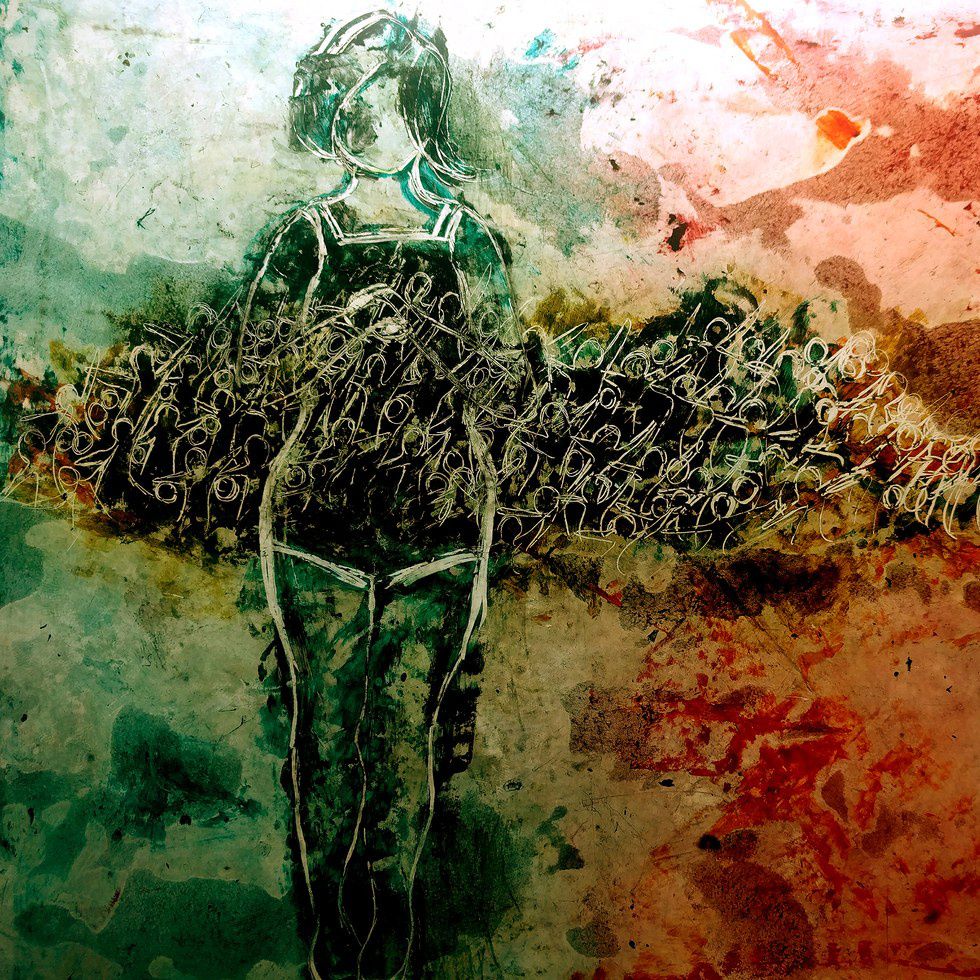 Walt Whitman said in "Song of Myself," “I am large; I contain multitudes.”
We are all multi-faceted. While it serves us well to be painfully aware of our faults, it is equally important to be upfront about the things we do really well. Are you a good listener? Are you a gardener? Do you fix things? Do you bake, sew, write, read, dance, draw, sing, preach, pray? Direct your strength toward a person or group in your community that you know has felt the brunt of the news headlines and serve them with whatever beautiful, noble thing you do best. Set your multitudes free. Let them stand up, let them speak, let them create a different world.
6. Be Courageous
 There is an intersection between the people living their dreams and the hopeless finding hope. Now is the time to the things you’ve always wanted to do but couldn’t work up the courage to do. Hold the world together with the inspiration of your unique offering of humanity. Apply for the job, paint the picture, teach the class, lead the march, meet the neighbor, submit the proposal, approach the mic, get the passport, start the business, initiate the conversation, conduct the experiment, host the party, ask the guy out, plant the garden, build the system, attend the conference, join the team, schedule the audition, write the story. Prove what is possible.