Let me say this loud and clear: Anorexia is not a body type. It is not another word for “thin.” It is a serious mental illness that affects approximately 1 of every 200 American women. Too often, it results in death.
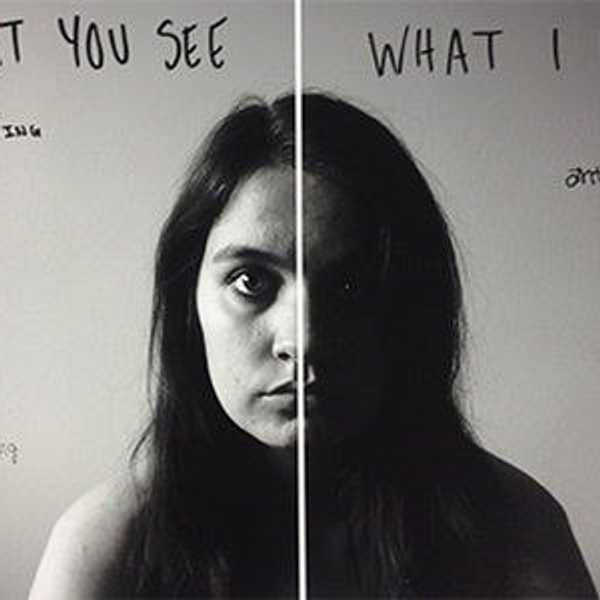
Perhaps one of the most common misconceptions about mental illness is that it is somehow “visible.” People seem to get the idea that you can look at a person and simply be able to tell that they’re sick. Take depression, for example. You may think that if someone is depressed they must be lying in bed all day, dressed in lumpy dark clothing and unable to get up to take a shower. Sometimes that holds true. But depression, like all mental illness, doesn’t have just one face.
Eating disorders aren’t cookie cutter — they come in all kinds of shapes and sizes. Though one of the more commonly referenced disorders, anorexia nervosa sufferers only represent a small fraction of eating disorder patients. Other types of eating disorders include bulimia nervosa, binge eating disorder (BED) and OSFED (Other Specified Feeding or Eating Disorder.) In the United States alone, 20 million women and 10 million men will suffer from an eating disorder at some point in his or her life.
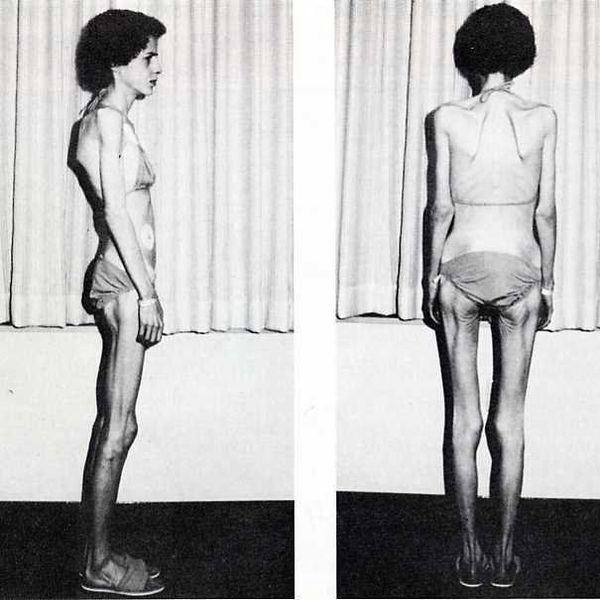
So why do we talk about eating disorders as though they’re all the same? You’ve probably heard people say things like, “Wow, she looks anorexic.” Or, “I want to be skinnier. Not, like, anorexic though. That’s gross.”
Statements like that are all too common, and they’re problematic for multiple reasons. First of all, they’re just plain wrong. There is no one set “look” for anorexia. Just like a depressive doesn’t necessarily fit a certain mold, an individual struggling with anorexia nervosa doesn’t always fit a preconceived notion of what that “should” look like. You don’t have to be severely underweight to be dealing with an eating disorder. It’s a mental disorder – extreme thinness is just one of many different symptoms, not all of which are physical.
By misusing the rhetoric surrounding eating disorders, we’re simply promoting harmful stereotypes and spreading misinformation. When someone says something like, “I ate so much today. I wish I were anorexic,” that person is displaying a clear lack of understanding about what anorexia is. He or she is also feeding into the false notion that anorexia nervosa and other eating disorders are “not that serious,” when in fact, according to the National Eating Disorder Association (NEDA), anorexia in particular has one of the highest mortality rates of all psychiatric disorders.
People, usually young girls and women, die from this. They lose their lives to this complex condition. And the way we talk about it isn’t helping. In fact, by casually throwing around the term “anorexia,” we’re actually promoting the “sick enough” phenomenon amongst individuals living with eating disorders. According to the American Psychological Association (APA), studies have found that less than 13 percent of adolescents suffering from an eating disorder receive treatment. Often, this is because individuals don’t believe they’re sick enough to warrant asking for help. They believe that unless they reach a certain weight, or represent what society typically deems an eating disorder to look like, they aren’t really dealing with one. Unfortunately, the longer an individual exhibits disordered behaviors without treatment, the more difficult it becomes for them to achieve recovery.
Likewise, individuals are often made to feel ashamed of their personal struggles, which may keep them silent. When “anorexic” is used flippantly and incorrectly, it’s often in a derogatory nature. Who wants to seek help for an eating disorder when it’s so common to hear people using eating disorder terms to criticize and degrade other women?
I urge all of you to think before you speak and to actively participate in mental health conversations. By changing the way we talk about eating disorder, and mental illness as a whole, we can start to get people the help that they desperately need.
Remember: Anorexia is not a body type.
If you or someone you know may be struggling with an eating disorder, please visit nationaleatingdisorders.org, or call their helpline at 1-800-931-2237. Asking for help is an act of strength.