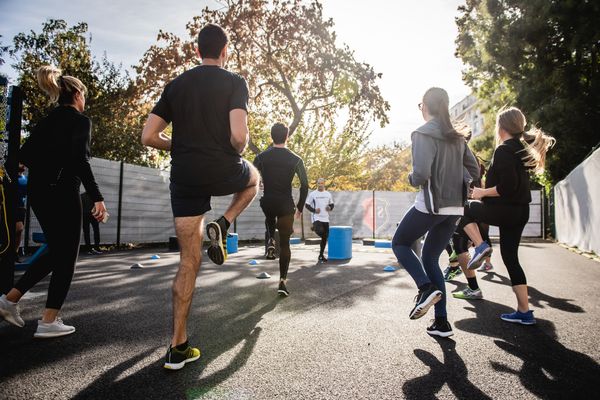
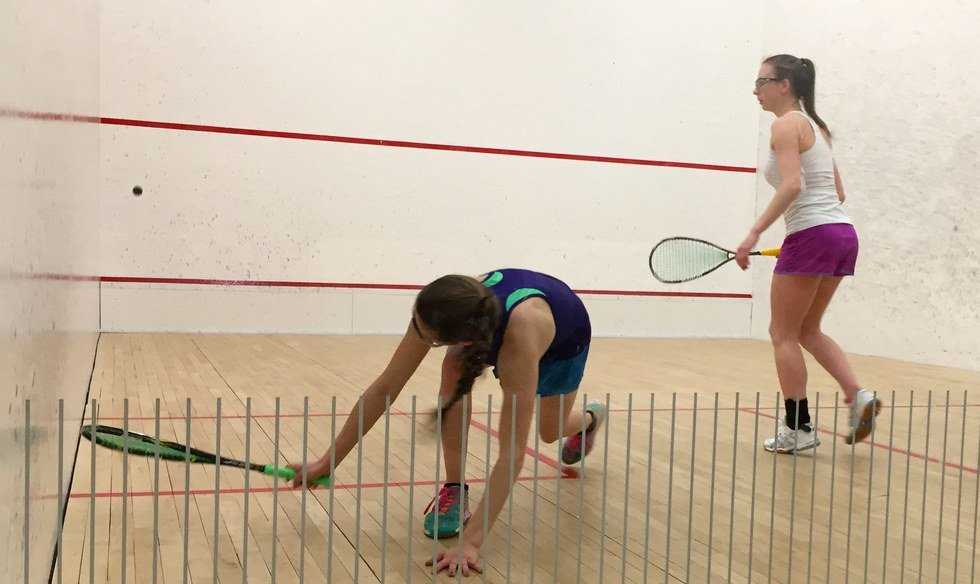
For years, as a nationally competitive squash player, I supplemented my squash training by doing the most high-paced cardio and heavy lifting I can manage to do, as often as I could do it. Free weights, running, jump-rope, cycling, swimming -- all of the exercises that burn the most calories gave me the most satisfaction and made me feel productive.
Then, one winter day in 2014, during an intense squash match, my right IT band (the long muscle on the side of my leg) snapped, and my intense training and high-impact workouts were over, just like that.
I had never been so upset and confused in my life. Why me? I had been an athlete in the best shape of my life, at the peak of my international squash career, and I get punished by my body for working too hard? The lifestyle that I enjoyed so much, that took away my stress and gave me something to be proud of and strive for, was replaced by hours in doctor’s offices, physical therapy, and after a few months, yoga classes.
I still envisioned myself as an all-star athlete despite my injury, so when I walked into a dark room full of middle-aged men and women in tight pants, I thought the next 75 minutes would be not only easy, but boring. But I had never done hot vinyasa yoga before, so I had no idea what I was getting myself into.
The first thing we did was lie down on our backs, close our eyes, and focus on slow and steady breaths as the room heated up. There was the first problem: I didn’t know how to breathe. I realized that throughout my day, I sometimes stopped breathing, and other times my breaths are jagged and uneven. Everyone around me breathed steadily and loudly, while I gasped for air like a fish out of water.
After a few minutes, we slowly arose and began a vinyasa cycle. I was fine with all of the strength components (I liked to show off during those Chaturanga push-ups), but my balance and flexibility were non-existent. In general, I had trouble staying in any position for longer than a few seconds -- especially when it required stretching a tight muscle (so, basically, all 75 minutes of it). Through severe pain, I realized my hips, hamstrings, quads, shoulders, back, and calves were all extremely tight.
Watching the overweight 50-year-old man in front of me do the same workouts with ease should have made me feel ashamed, but for some reason it made me excited. I finally had a new goal, one that would be good for my mind and body -- to become good at yoga.
My constant anxiety over not being able to work out was replaced by extreme happiness every time I entered the yoga room. I got a good workout in, took time to feel grounded and leave the outside world on the other side of the door, and slowly recovered from my injury.
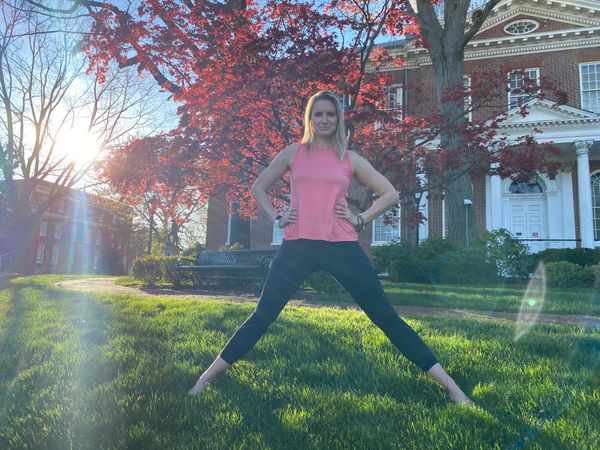
Today, my body is better and stronger than it ever was before. Yoga helped me get through a tragic period in my life, so while I have restarted my intense and fast-paced training, I have not abandoned yoga. Every week, after six days of intense daily training (now, followed by intense daily stretching), I return to the yoga room to challenge myself, better myself, ground myself and most of all -- to breathe.