

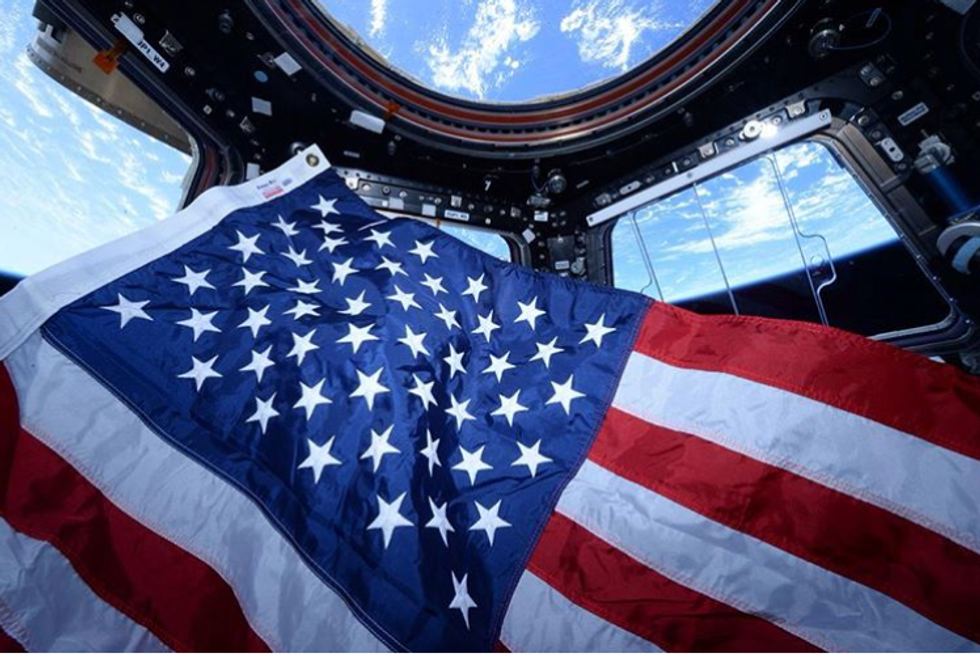
After 340 days in space, NASA’s Commander Scott Kelly touched Earth’s surface on Tuesday, March 1, 2016. The main purpose of the ambitious mission was to help NASA garner a better understanding of the effects that humans will have in space. NASA’s Journey to Mars is planned to occur in the 2030's, and their mission regarding Commander Kelly in space for a year helped NASA move forward with the program. The next step for Journey to Mars will be in the 2020's, where NASA will launch a robotic mission that’ll apprehend and redirect an asteroid to orbit the moon.
During his year in space, Commander Kelly reportedly grew two inches taller and drank 730 liters of recycled urine and sweat. In addition, he produced roughly 180 pounds of feces that burned up in space and gave off the illusion of a shooting star. Furthermore, while we saw 684 sunrises and sunsets, Commander Kelly saw 10,944. NASA conducted an estimated 383 experiments on Kelly to monitor his body’s adaptions in space. To stay healthy, Kelly exercised more than 700 hours and ran about 648 miles on a specialized treadmill.
If Commander Kelly didn’t do what was necessary to remain heart healthy and keep his bones strong, the consequences would have been severe:
- Brittle bones arise when there is no load bearing on the hips, legs, and spine. This then increases bone fracture and the risk of kidney stone formation.
- Muscles get weaker if fitness was not involved, which leads to fall-related injuries and accidents.
- Blood is less circulated in the lower extremities of the body and more circulated in the upper body. This can result in a reduction in leg circumference and a puffy face.
- The heart does less work in space, which reduces its size, therefore, increasing coronary heart disease.
- Lack of gravity causes disorientation, loss of sense of direction, and sickness. This will cause balance issues when gravity is present.
- With no 24-hour cycle, the body will have difficulties adjusting to day/light cycle on Earth.
- With no compression on the disks of the spinal column, the spine lengthens, therefore, increasing one’s height.
- The risk for cancer and radiation sickness increases.
After landing, Commander Kelly stated “Adjusting to space is easier than adjusting Earth for me. I never felt completely normal up there, but coming back to gravity is harder than leaving gravity.” Kelly claimed that his muscles were sorer and more fatigued than his previous missions in space and his skin sensitivity felt almost like a “burning sensation.” His height returned to normal in no time.
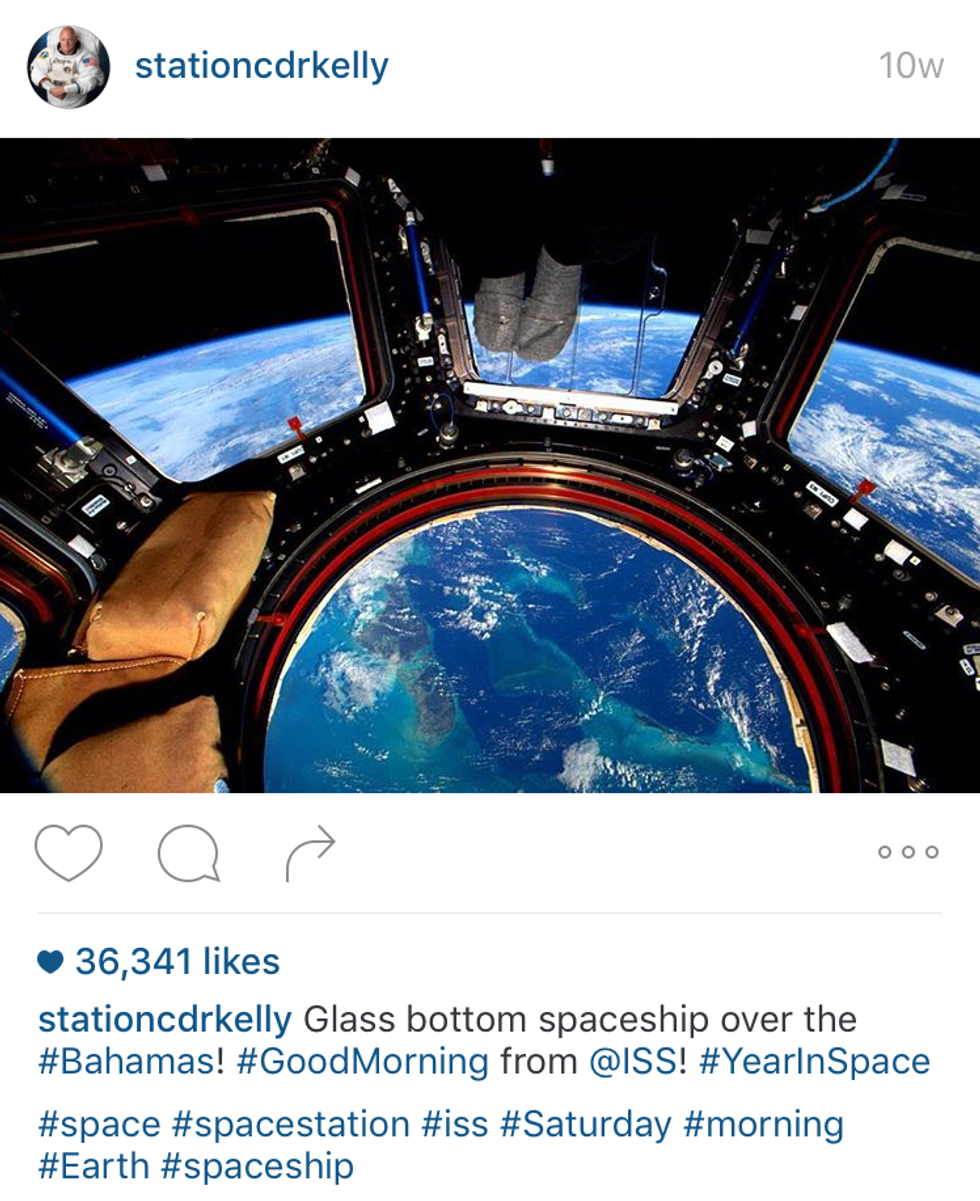
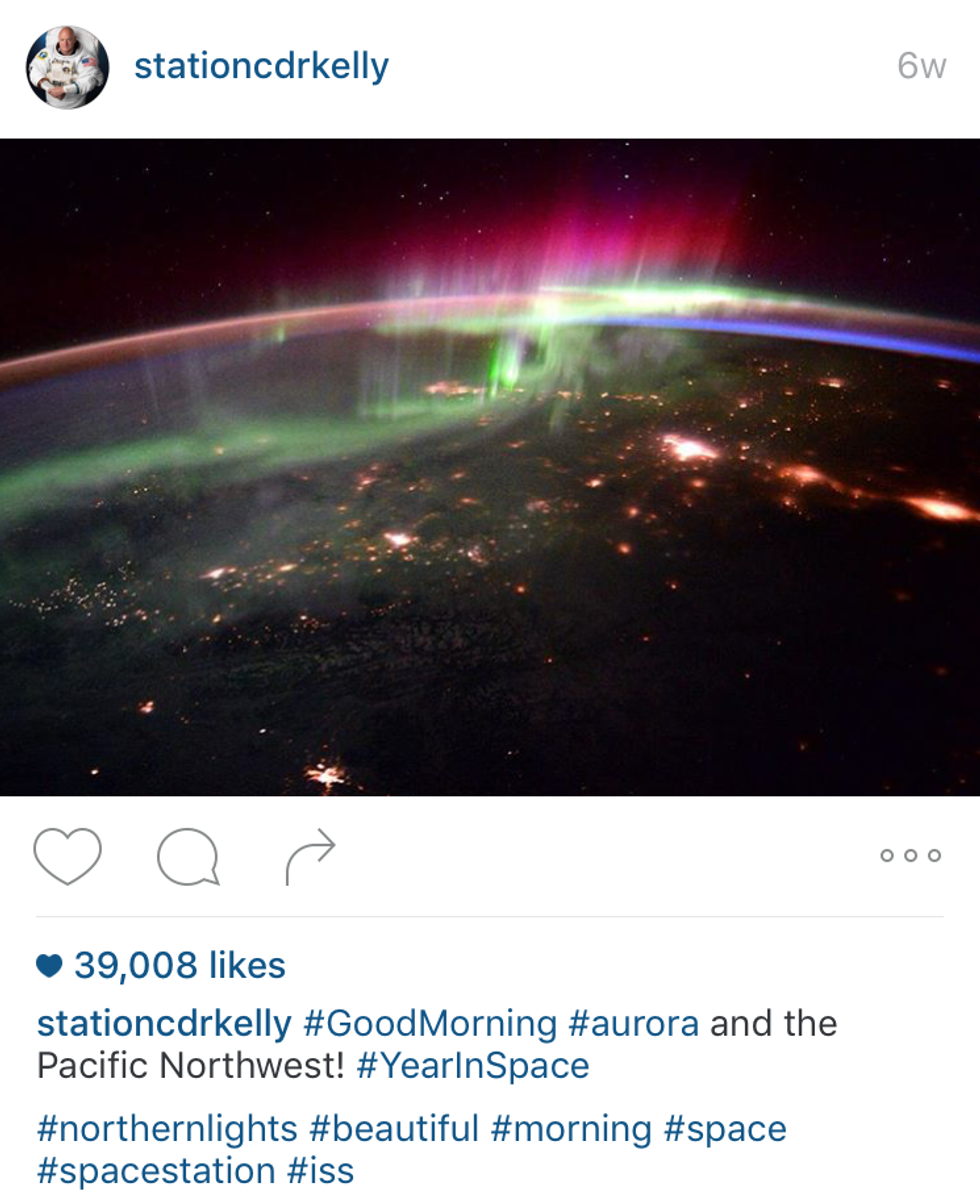
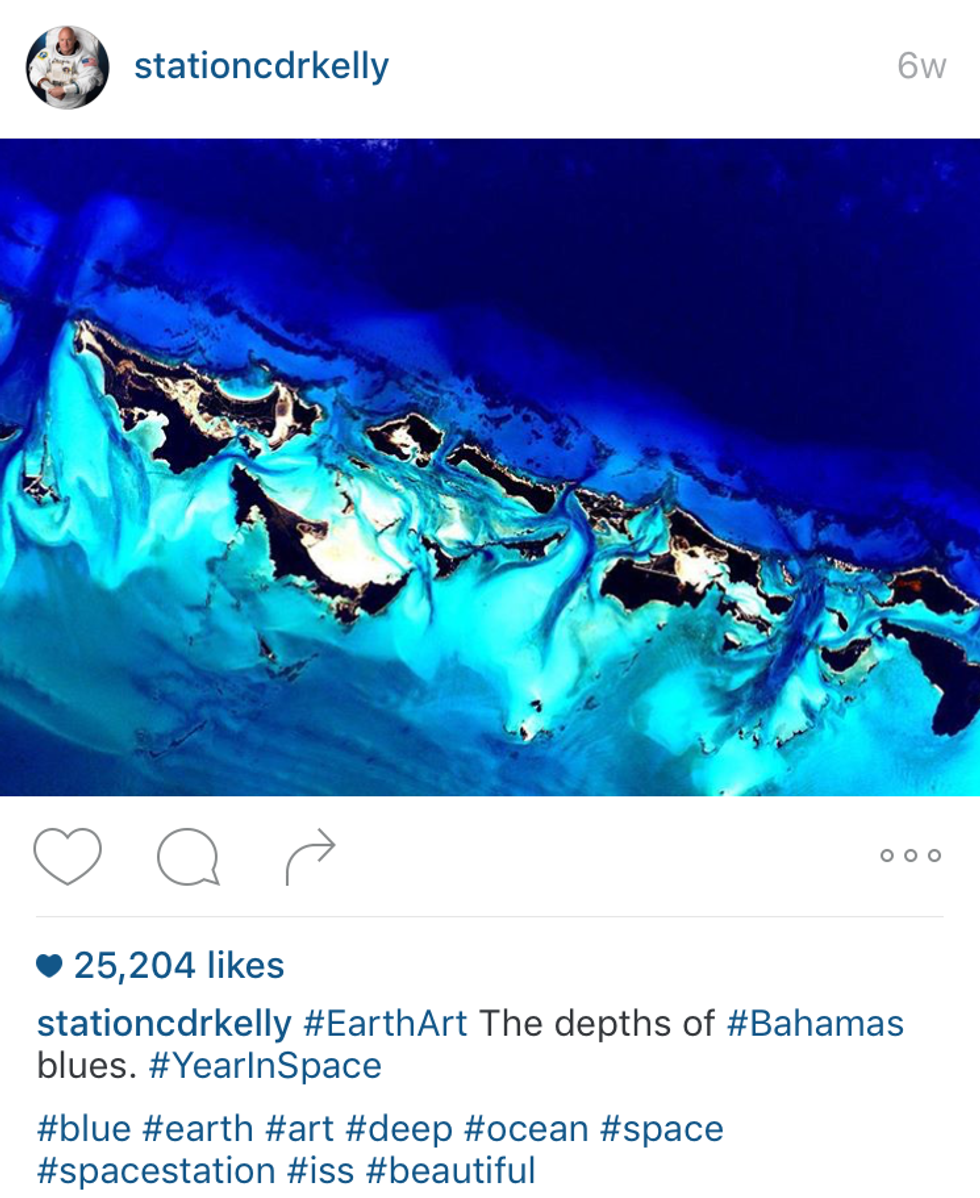
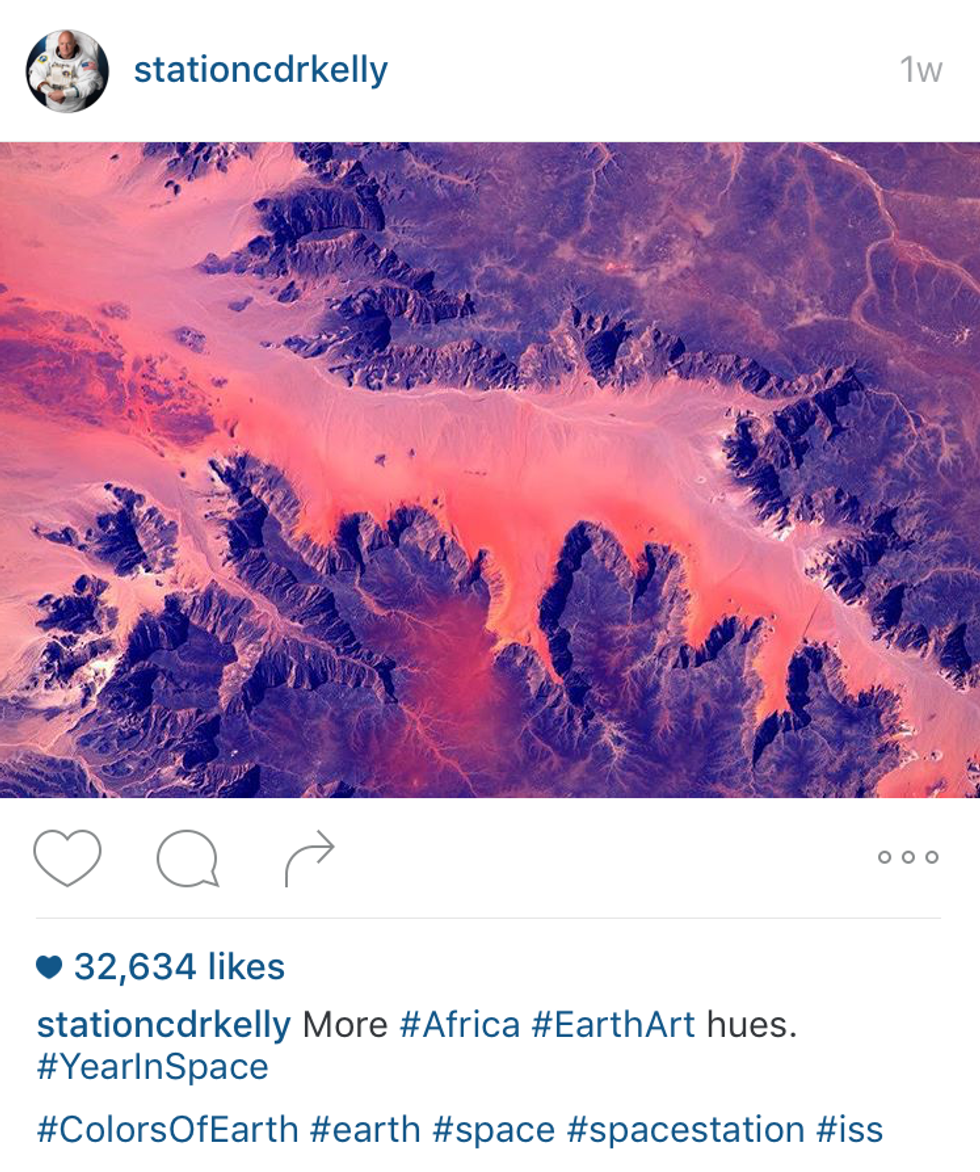
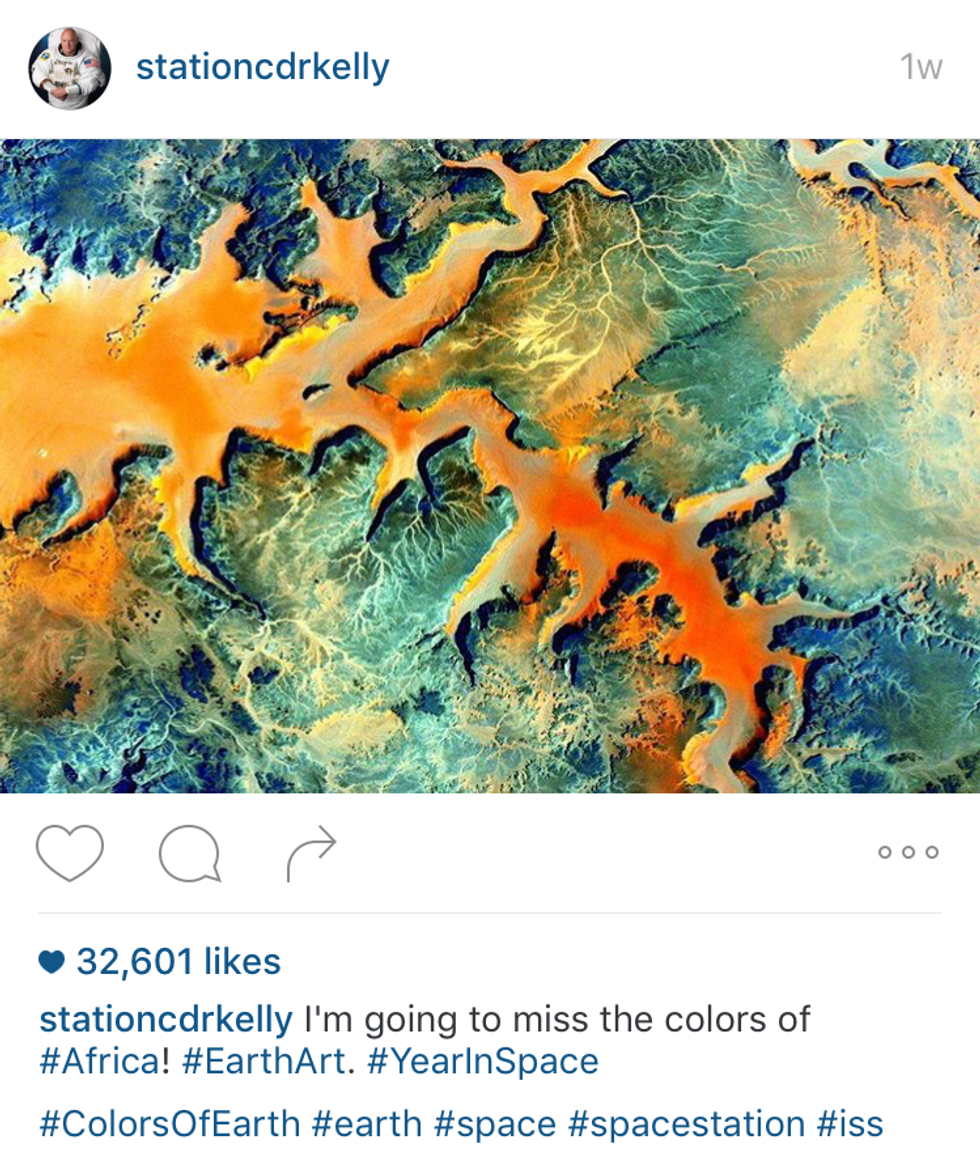
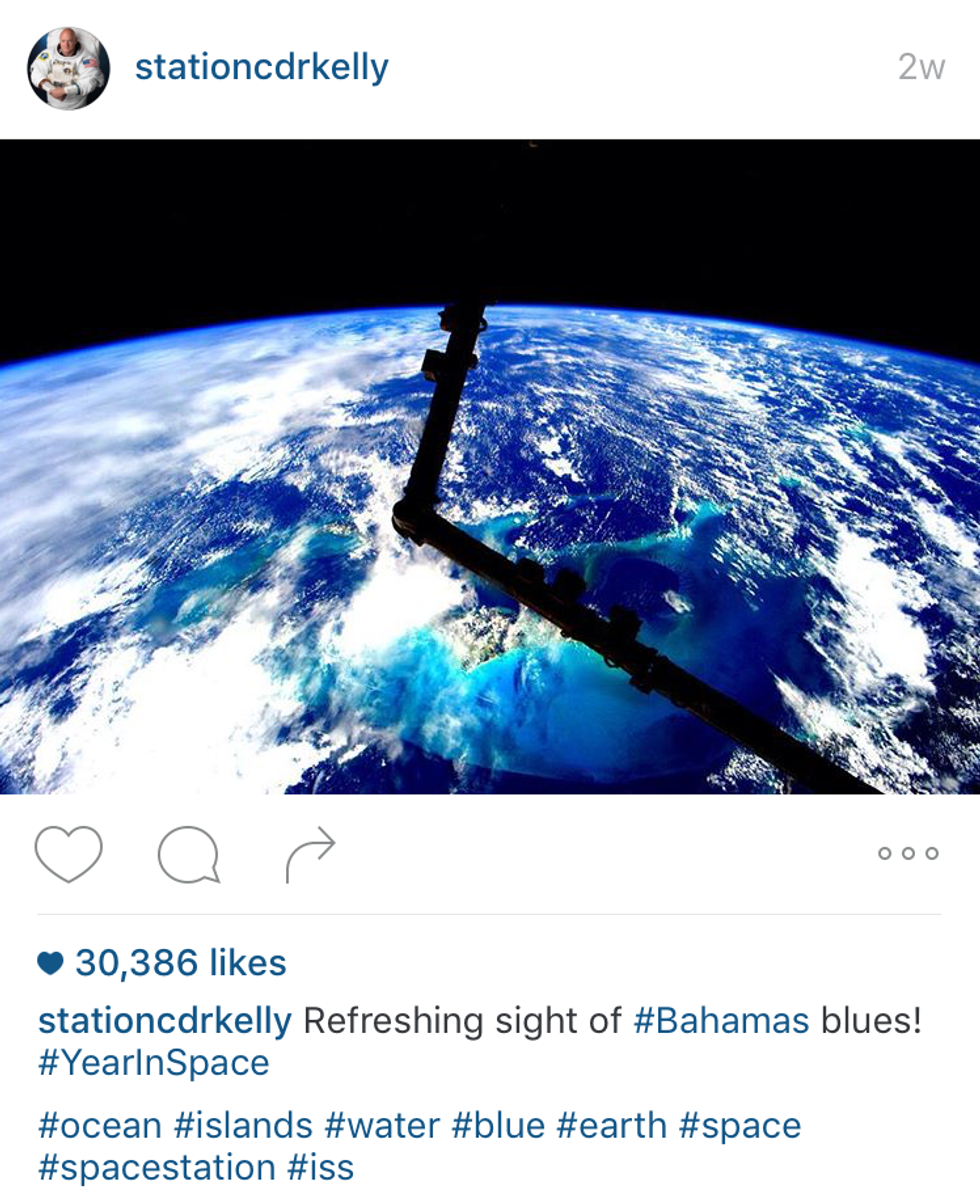
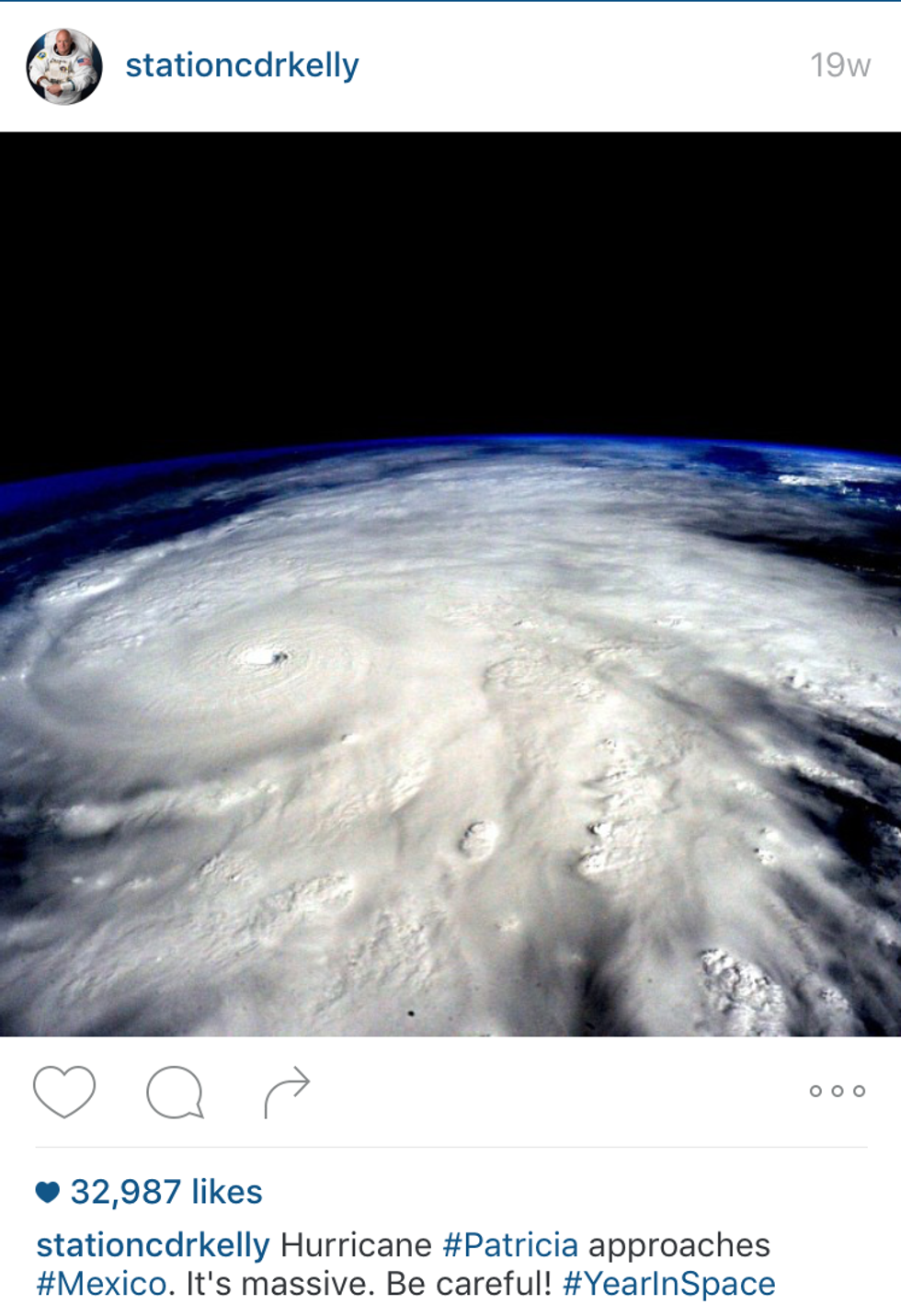
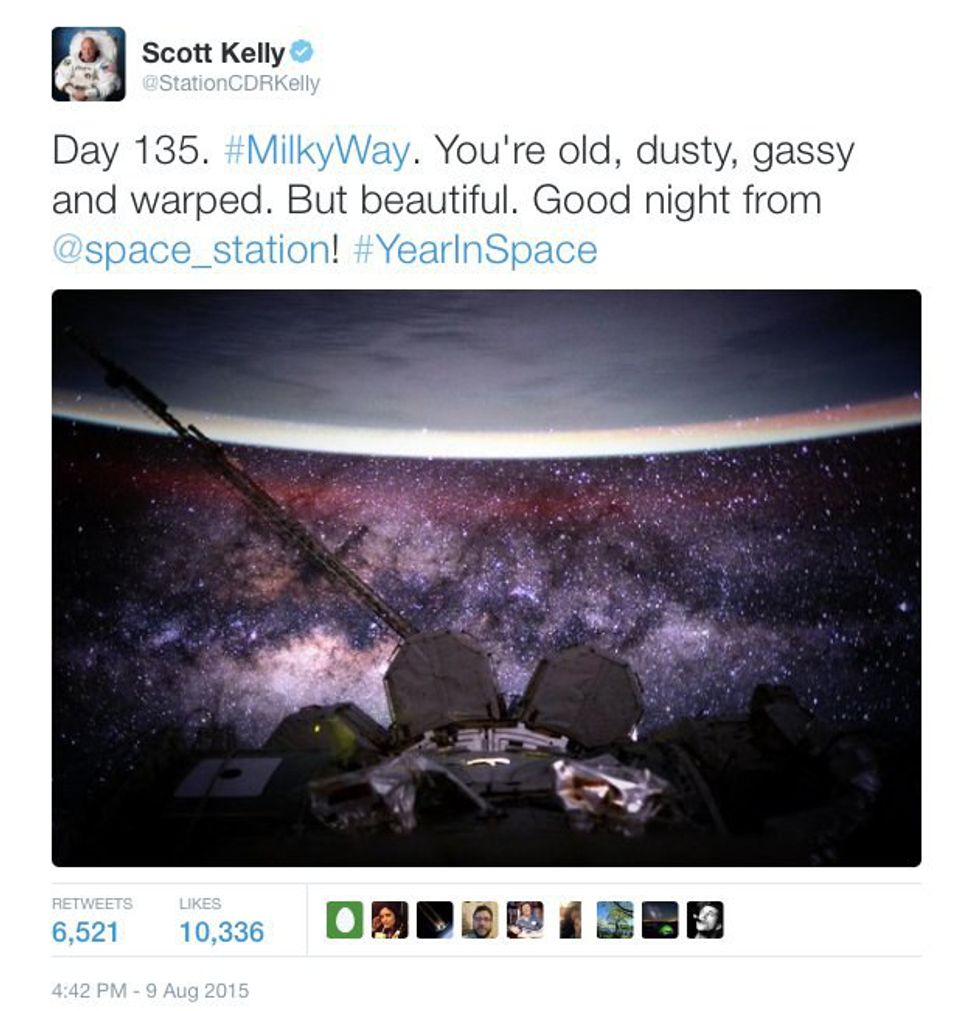
During his time in space, Commander Kelly took numerous, breathtaking photos:

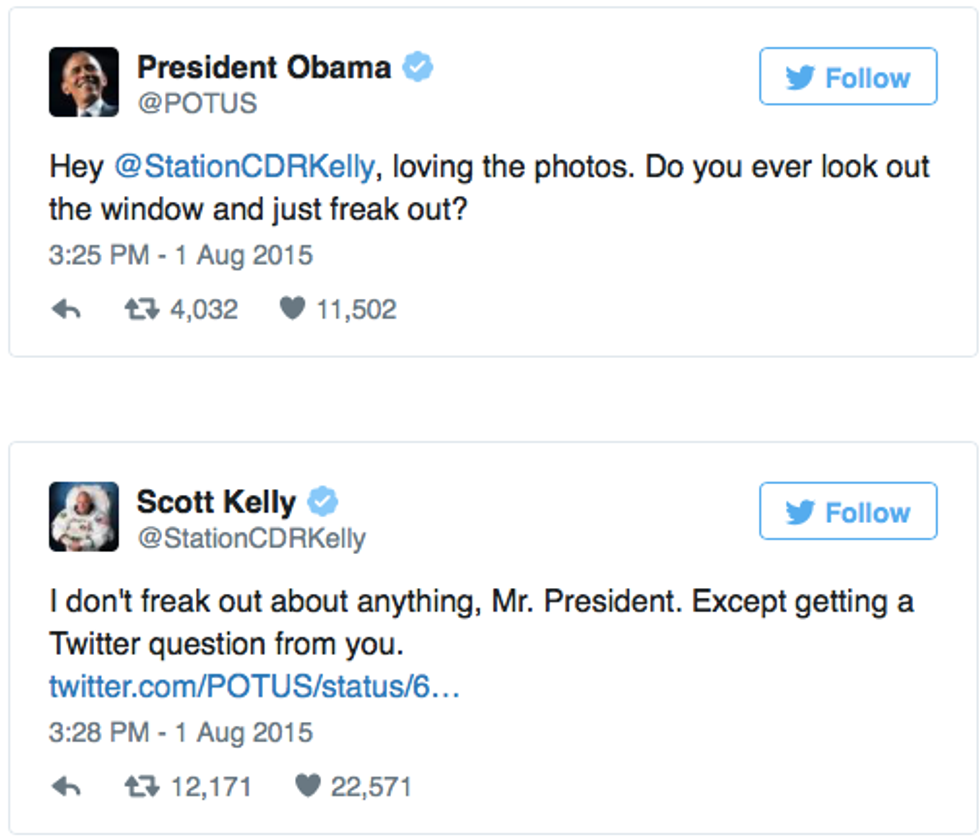
Commander Kelly even got feedback from President Obama:
Welcome home, Commander Kelly!