Think about the last good memory you have. Yes, your last genuinely good memory. Not a tragic memory, where shit has hit the fan in your life and you are feeling down. An actual good memory, where the world was in your favor and you were happy. Got it in your head? Great.
For those who were able to do my little exercise quickly, no more than a few seconds. Congrats! However, for those who took longer or were not able to do it…let’s just say, I feel you. Now it could be just a case of poor memory, which is pretty common. Not everyone can bring up a memory from years ago on the fly. Personally for me? There’s a lot more to it than just “poor memory”.
Recalling happiness used to be my forte but, in 8th grade I developed PTSD, and recalling my happiness became the hardest feat I’ve had to face. With constant daytime flashbacks and prevailing nightmares in my sleep, it became increasingly hard to reminisce about cheerful moments - let alone think of anything happy. However, exclaiming that I have the inability to remember anything good in my life is a bit extreme. I can recall small things like the excitement of my first time driving or the thrill of my high school basketball buzzer-beater. But when it comes to, as my dad calls it, the “Big Big” defining joyful times of my life, I falter and succumb to the chaos of my illness.
PTSD controlled my life, preventing me from reliving, from remembering the “big big". That’s not how anyone should live their life. It’s not how I wanted to live mine.
My fraternity brothers and sometimes my unfortunate girlfriend (much love for her for dealing with me) can tell you I’m far too stubborn and proud to let my life be confined and controlled by something as measly as a mental illness. As a true stereotypical UC Berkeley student, I want to fight for my “right” to reminisce in what I wanted to reminisce in. However, unlike the typical Berkeley students fighting against an institution, government, or political party… I was fighting a part of myself; it was an inner civil war.
And so one cliché day, I opened a blank Word document, and began to write. I started to record everything I could: daily nightmares, happy dreams, any joyful moments in my life that I could recall. Like an ER scribe, recording the patients’ exact words, I would record every single detail I encountered, permanently etching them into one concise growing document. As I lived my life, recent moments joined the document, increasing the storage of memorable instants.
Now when I open up that document, it’s as if I’m brushing off dust on an old yearbook and being ushered into a state nostalgia and reminiscence. Whenever I get frustrated with forgetting certain details of any memory, the document would be there to remind me, exclaiming “Hey, look at me! You had good memories. Relax, I have all the details you need.” (Documents and books don’t actually talk, I know, but it’s nice to imagine sometimes.)
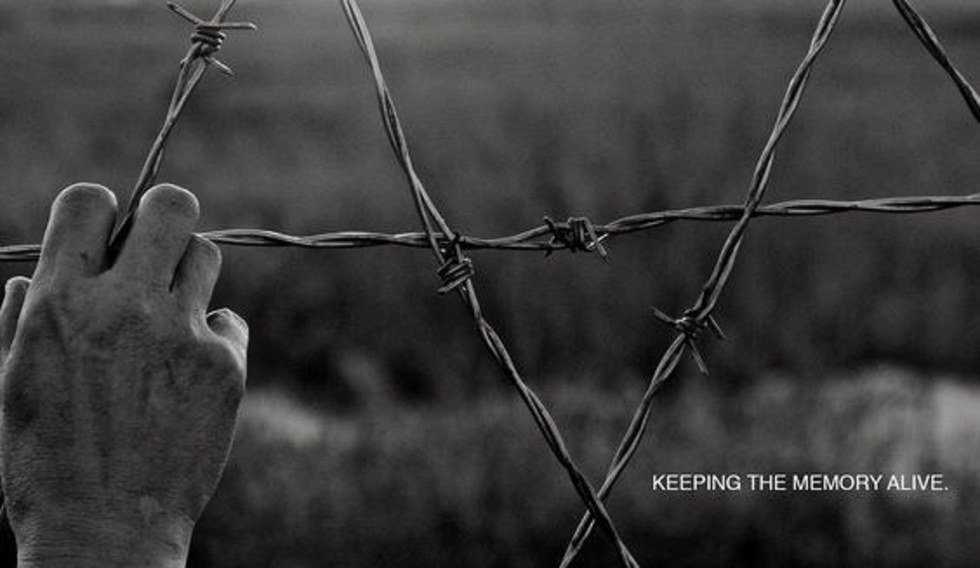
Finally, writing things down, I was able to remember everything in my life. I finally was able to remember everything. The blow that I dealt in the “fight” against my disorder gave me hope: hope that eventually I’ll escape the emotional prison in which I’m locked.
I realize, however, that writing down my memories does not completely solve my problem; it’s like a Band-Aid on a gunshot wound. My writing pushed my PTSD back, nearing retreat, but it’d come crawling back with vengeance. Even after writing more memories, and reliving them, I'd continue to feel sad, trapped in confinements of my own flashbacks and nightmares.
Writing essentially became my daily dose of ibuprofen for the chronic undying pain that I have been experiencing for the past 6 years. Despite that sadness, that continuous cycle of release and captivity of the emotional prison, I will not falter. I will stand strong.
As my older brother, Yike, said, “Life would always get better, no matter how much worse life will get, it always gets better in the end." After all my torturous experiences in high school and college, there were some good ones mixed in for some added flavor. Because of that mix, I have come to believe my older brother’s wisdom. If I want my life to get better then, giving up and surrendering to PTSD will never be an option for me.
And so I continue to write. Until some newfound drug or therapy comes through that cures PTSD (new shit always comes up), I will continue to write to remember. To remember that I had ups in my life as well as downs. I write to continue to break the emotional boundaries of PTSD and stubbornly live the way I want to live. I write to give myself hope, that one day, all of my troubles will melt away, and that life will get better.