


Amid all the chaos and stress of college life, it can seem nearly impossible to find the time to truly let go of everything and relax, even for a moment. If you’re like me and are constantly trying to do everything all at once, from academics to clubs and activities, life can get very overwhelming very quickly. Even if you think you’re exceptionally good at multitasking, you’ll eventually realize that there are clearly not enough hours in the day. Mental health is an incredibly important thing to keep in check, especially in college, where many factors can trigger stress, anxiety, depression, and more. Not taking a break from work and activities to care for your wellbeing is a slippery slope; you can find yourself struggling without warning. Thankfully, many schools offer great services and opportunities for students to use for their own mental and physical benefits, such as counseling, group help sessions, or yoga and meditation classes.

One of the great options offered by the wellness center at my school that I’ve recently taken advantage of is a weekly yoga class. I loved the few yoga classes I had taken before back home, so when I saw that my school was offering yoga as a six-week class, I jumped at the opportunity. Now it is something that I look forward to every week. I know that I will never regret going because I always leave feeling immensely calmer and focused.


The endless mental and physical advantages to doing yoga are well known.
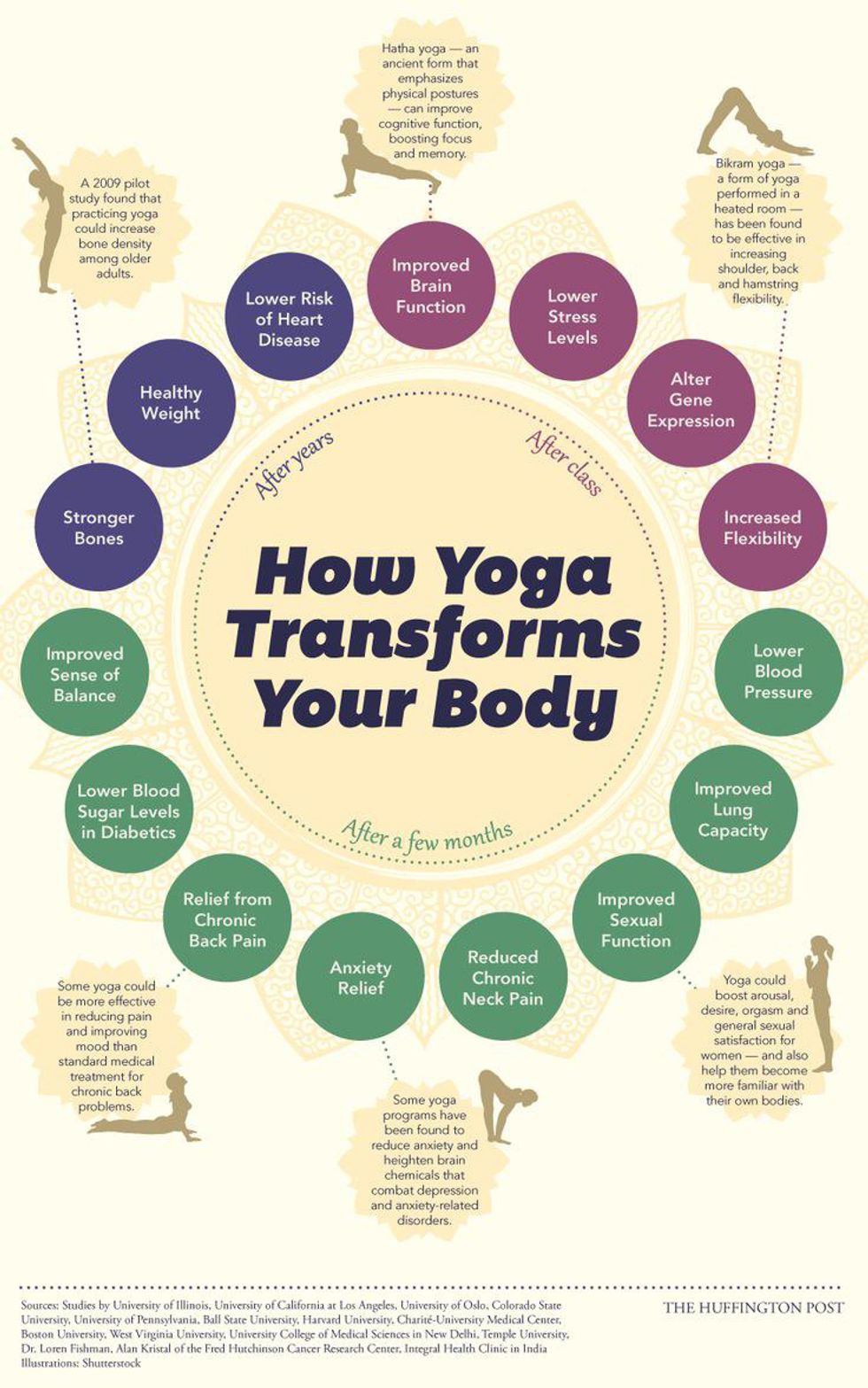

The simple act of mindful breathing has been proven to easily reduce anxiety. When you relax and slow your breath, you are lowering your heartrate and blood pressure, and increasing blood flow. This causes you to feel more calm and relaxed, and gives your mind a chance to rest and let go of negative thoughts.

The practice of asanas, or yoga poses, is beneficial for both the mind and body. Unconscious habits, like bad posture, in our everyday lives often lead to chronic pain and sore muscles. Physically, asanas help improve flexibility and release tension, allowing the body to feel recharged and healthier. When the body feels better, so does the mind. Mastering a difficult pose takes time and patience. Challenging your body to focus on balance and posture takes your mind off of your worries and fears, releasing anxiety.



So if you're not already doing yoga, consider starting now. Look into what your school or the area around your campus offers, and sign up for a class. Many places offer beginner classes, making it super easy to get started. If that's not an option for you, fortunately, there are now tons of yoga videos on YouTube. Just grab a mat, or use the rug in your dorm room, and start practicing! Yoga has so much to offer, both mentally and physically, and college is the perfect time to reap those benefits. I promise your body will thank you.