
Winston Churchill once said, “Attitude is a little thing that makes a big difference.” His words could not be more true. My sophomore year of high school, I mistakenly signed up for seven classes and felt myself slowly drifting into insanity. Between sports, extracurriculars, and academics, I had no time to relax and enjoy being a sophomore. The smile I normally wore on my face disappeared; instead, a pained, miserable look replaced it. Everything that spewed out of my mouth was filled with negative thoughts, criticisms, and complaints. A few friends and family members were becoming tired of hanging around me because my negativity, like an infectious disease, spread onto them. Every day, I would focus on the ugly things that happened, and half-way through the year, I had an epiphany.
When reflecting on the topic of the power of a positive attitude, I am reminded of a Christmas Eve party last year. At this party, I complained to my aunt about the struggles I was facing in my life. Eventually, she told me, “It is what you make it.” I started to think about what she had said, knowing that my negativity was my own fault.
In life, we are given many choices, and one of them is our attitude. I had created my own little Hell. It was at that moment that I knew I needed to change my entire outlook, and I haven’t looked back since.
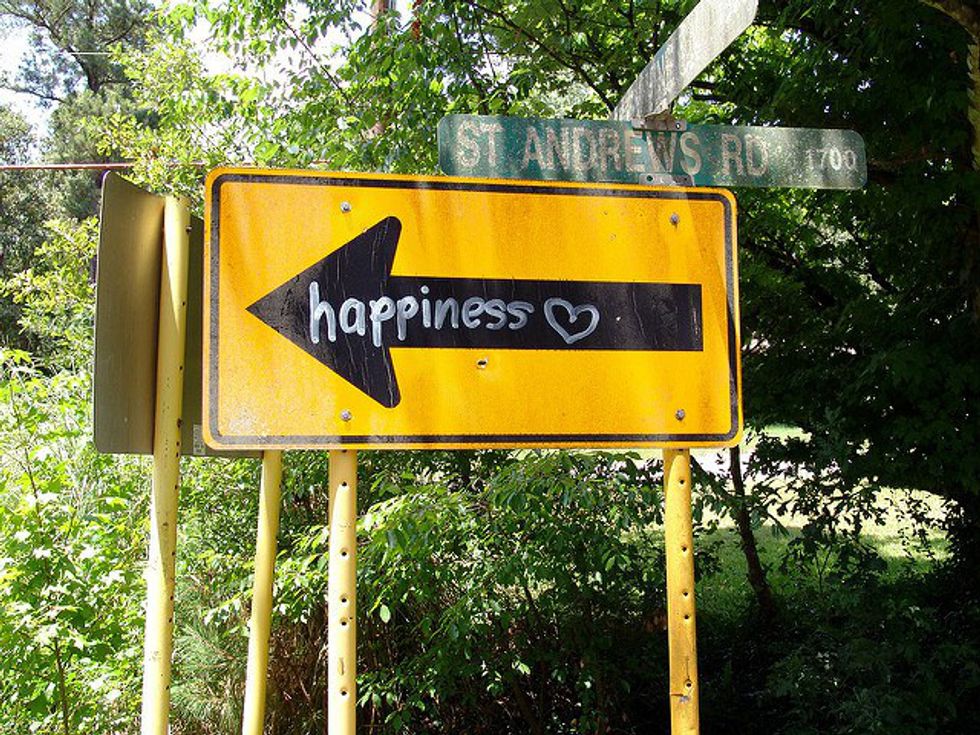
Going into my junior year, I felt very nervous; junior year is notorious for standardized testing, stress, and a heavy workload. But, I decided I would try to go one week without complaining. So, on days when I had a term paper, a project, and a test, I did not gripe. Instead, I felt grateful that I was given the opportunity to further my education. The first week was very tough. When all the negative thoughts entered my mind, it was extremely hard to get used to turning them into positive ones. In this process, I realized something: it was not all about me. I began to make an effort to help others out more and brighten their day, and I noticed I was the happiest my junior year. I felt I could deal with anything thrown at me. Yes, there are always days where nothing seems to go right, but at least I felt like a better version of myself. Negativity is a poison that seeps into your mind, if you let it.
A 2007 study conducted by The Association For Psychological Science found that human beings actually possess a negative bias toward negative information. This means that “negative information has a stronger influence than positive information in a wide range of cognitive domains". So, we naturally have a tendency to focus on the bad parts of lives rather than the good.
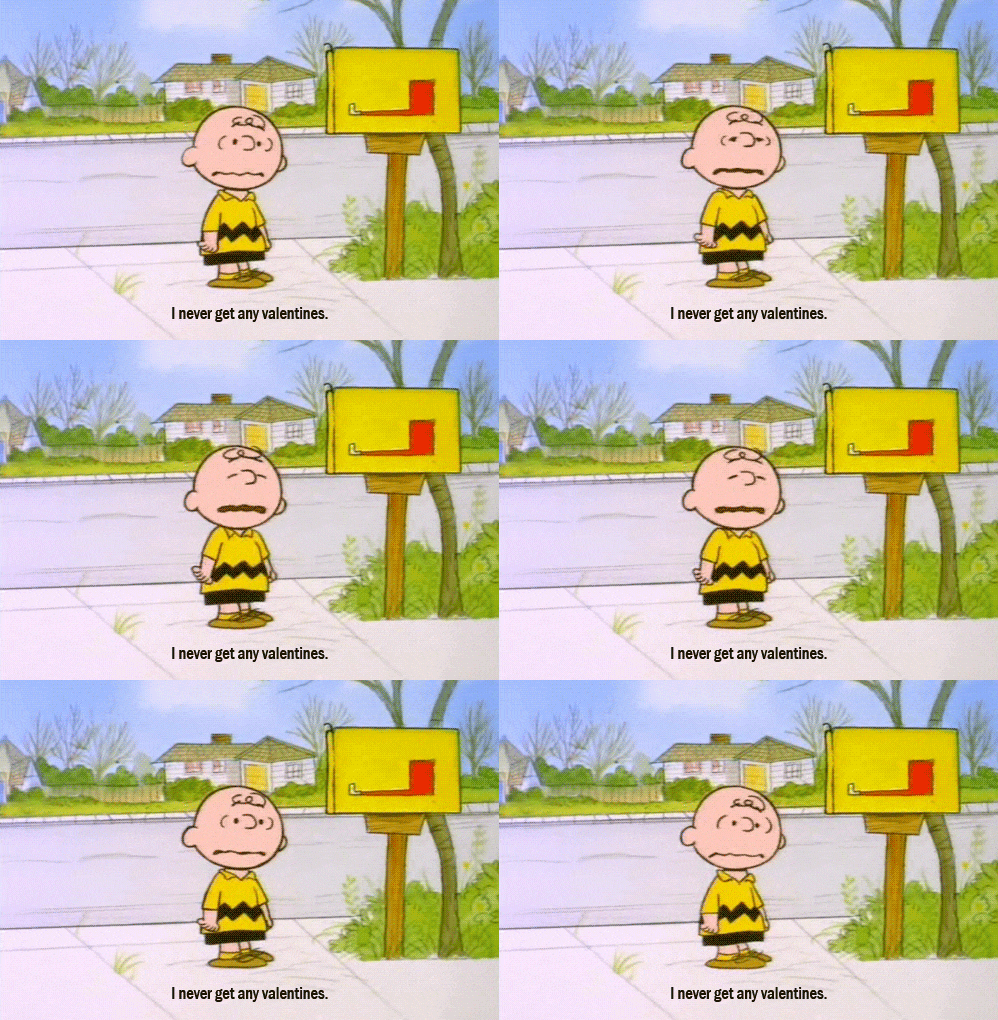
Negative bias has several harmful effects, including depression. And negative thoughts are not only harmful to a person’s mental health. There is a correlation between a person’s negative thoughts and their overall physical well-being.
According to journalist, Adam Hoffman from Health.com, “A 2009 study from the journal of Circulation looked at data from nearly 100,000 women and found that the most cynical participants were more likely to have heart disease.”
Now, I am not saying that a person always needs to be happy. When serious tragedy strikes, it is normal to feel depressed. But positivity is a great coping strategy. So, the next time you feel as though a rain cloud is hanging over your head, try really hard to snap out of it and look on the bright side.