I'm sure you may have heard, but the last Northern White Male Rhino has died from age-related illness. And while there is hope because of artificial insemination, it is sad that that is what it has come to. I had hardly heard anything about this subspecies before the last male had died, which is extremely unfortunate. However, it got me thinking about how the world came to be this way. The hard truth is, the majority of people don't give a shit about our planet.
Yes, I said it. Don't get defensive. How often do you actually recycle? Do you use plastic? Do you eat meat? Because reducing your carbon footprint is a lot more than planting a tree or taking a shorter shower.
If you actually do care for the planet, I'm going to share with you a few major problems that you may not have heard about, and you can do what you want with this information. I'm not going to talk about less driving, less flying, and less water usage because a lot of people are not willing to budge on those topics. These issues can be attacked even on a small scale, and any help will make a difference.
Animal Agriculture
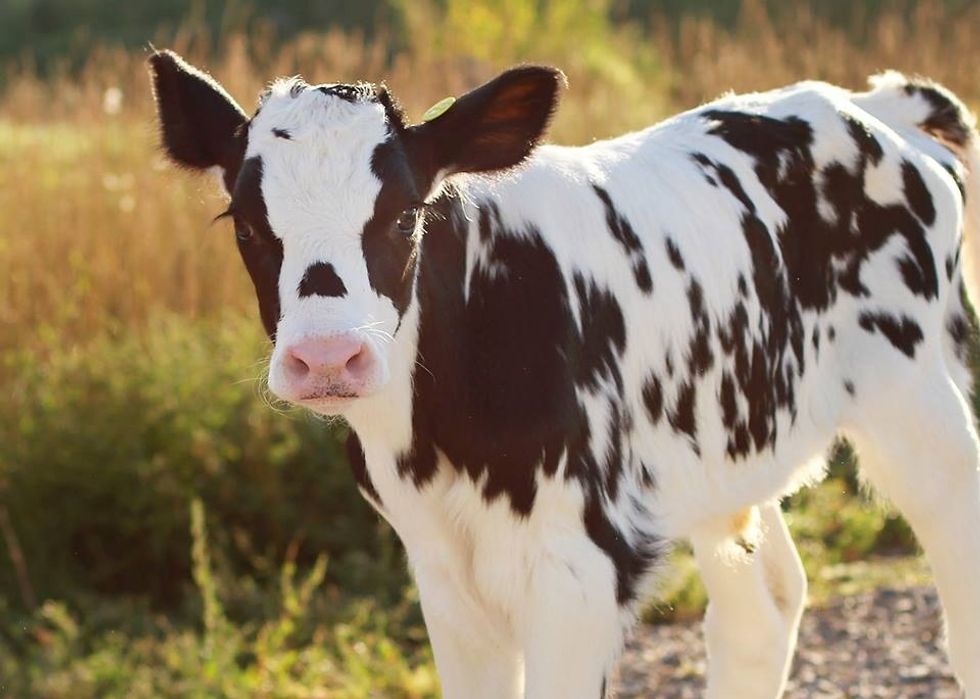 So this is a cow, it's pretty cute right? I think so. Livestock actually cover about half the land on the planet, but sadly, this is not because we like to keep the cows around because we think they are cool. It is because we eat so much meat. On average, Americans eat around three burgers each week. That is only beef. Because of how much meat we are consuming, animal agriculture is one of the leading causes of climate change. And if you don't believe in climate change, don't worry, I'll have an article about that, too.
So, with each American eating about 300 pounds of just BEEF a year, we need a lot of cows. There are about 1.5 billion cows, each producing about 65 gallons of methane a day while they're digesting their food. Methane is a greenhouse gas that traps about 25 times more heat than carbon dioxide. Once again, climate change exists. With that being said, about 2,500 cows are equivalent to a city of nearly half a million people in terms of the waste they produce, which is around 7 million pounds per minute.
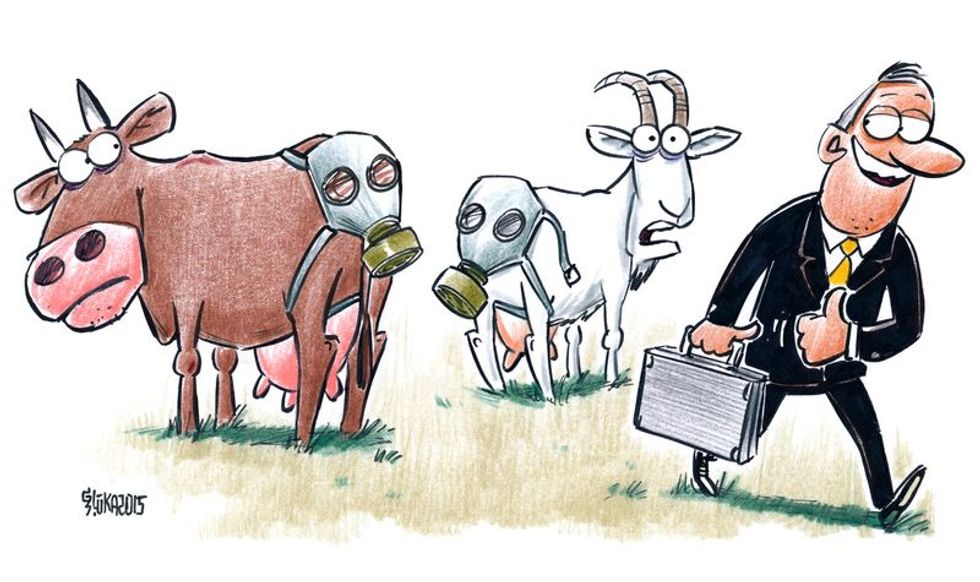
This waste ultimately ends up turning into runoff, where it gets deposited into the rivers and oceans, creating dead zones. These dead zones are harmful to the environment because they do not house life, they contaminate the drinking water, and they cause illness in humans and animals.
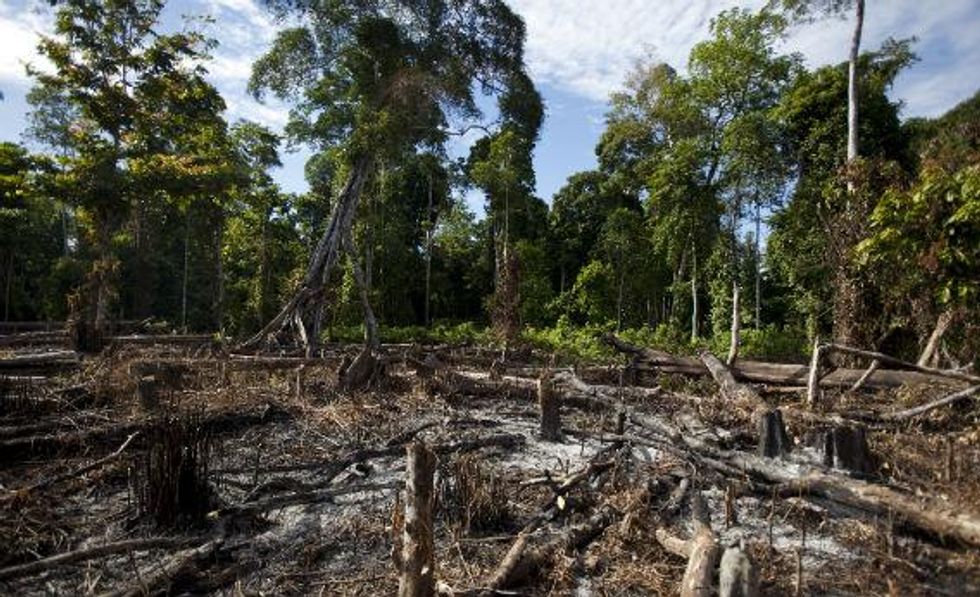
We have also been killing the rainforest to have more room for livestock, and this is one of the richest biodiversity hotspots. So many species of plants and animals live in these areas, and when those species go away, it can have an affect on humans. Whether it be the circle of life or plants aiding us in the cure for many illnesses, they have more of an impact on humans than you might think.
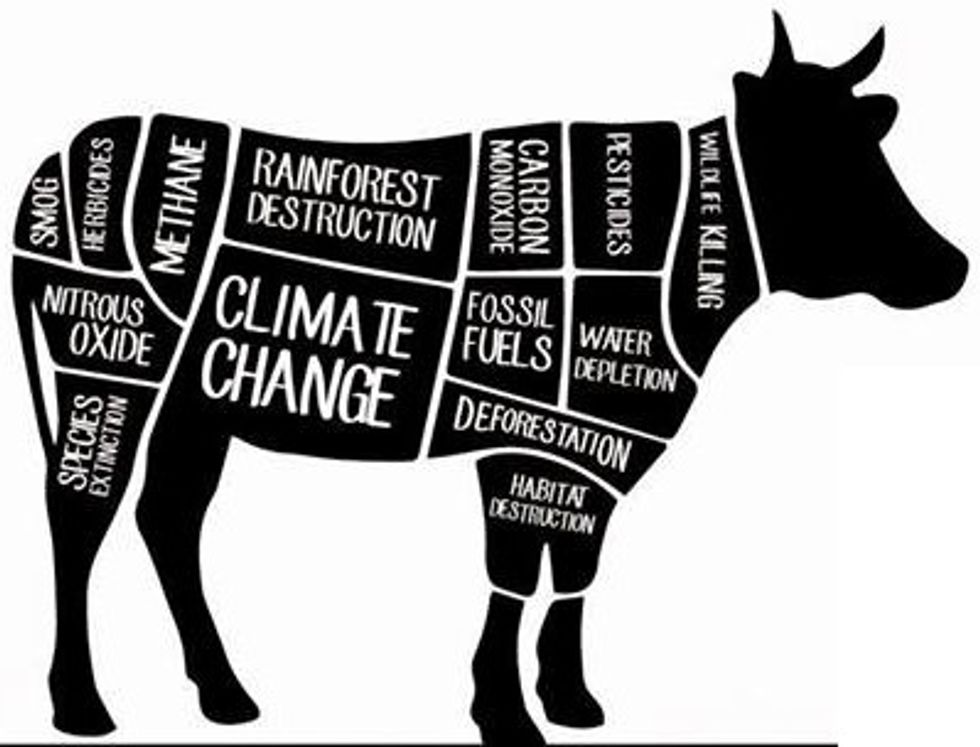
Your average American uses 17 gallons of water in the shower, but one pound of beef being produced uses 2,000 gallons. I'm not saying you shouldn't be mindful of how much water you are wasting during your showers, but eating less meat could help even more.
Bycatch
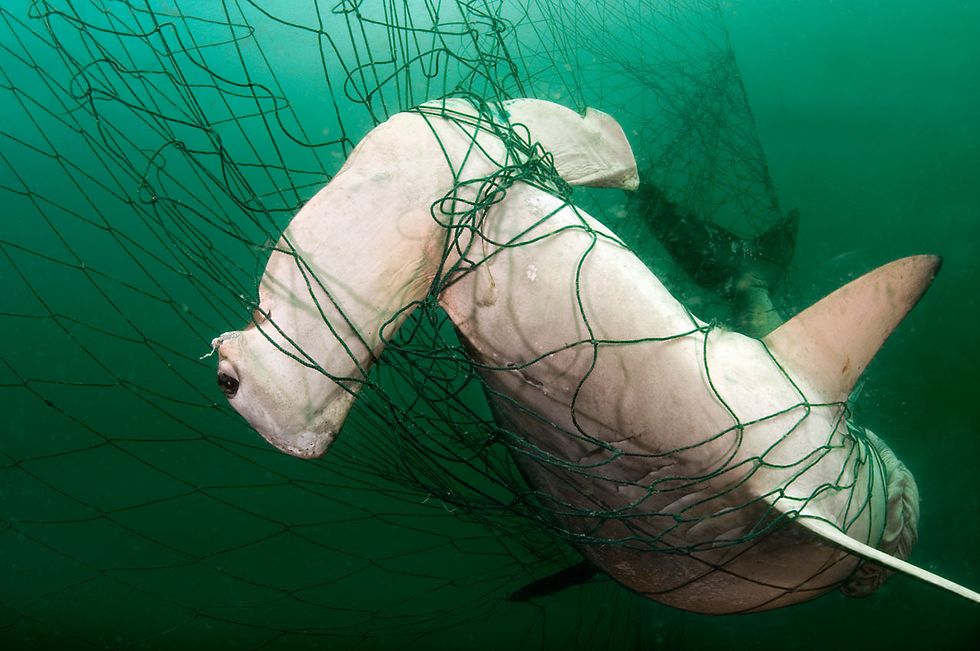 This is another issue that many people are not aware of . In 1972, an act was passed, called the Marine Mammal Protection Act, stating that it was illegal to hunt and kill a marine mammal. Almost 100 million tons of fish are taken from our oceans each year, the majority in gill nets. When they nets are cast, they will catch anything that they come into contact with, whether it be fish, sea turtles, sharks, or even whales. The animals swim through the net, realize that they are stuck, and then try to back out and escape, but their gills are already caught. This was intended to capture only fish.
However, it has caught many marine mammals, who will then suffocate and die because they are caught. For approximately every pound of fish that are captured, five pounds of marine mammals die. Oftentimes these marine mammals are discarded and wasted, killed for nothing. About half a million sea turtles are caught and killed each year, along with hundreds and thousands of seabirds, whales, dolphins, and other marine mammals.
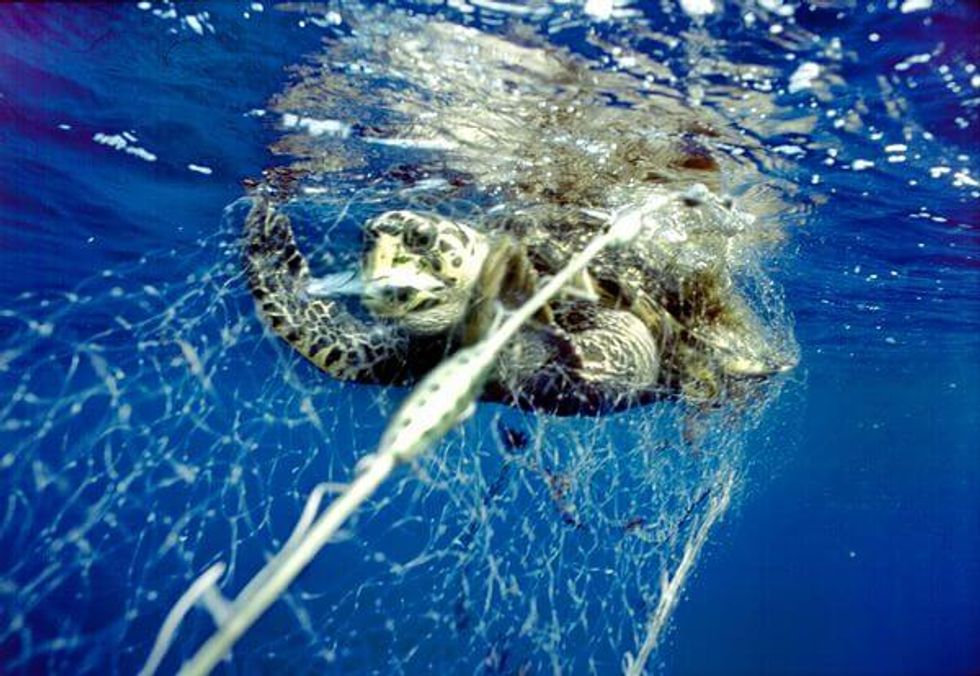 So what can we do about this? It seems so far out of our grasp. We need to stop putting money towards the fishing industry, because where there is fishing, this happens. Also, if you have ever considered donating money, put it toward organizations that try to stop bycatch and work to improve the nets so that the marine mammals don't get stuck.
Microplastics
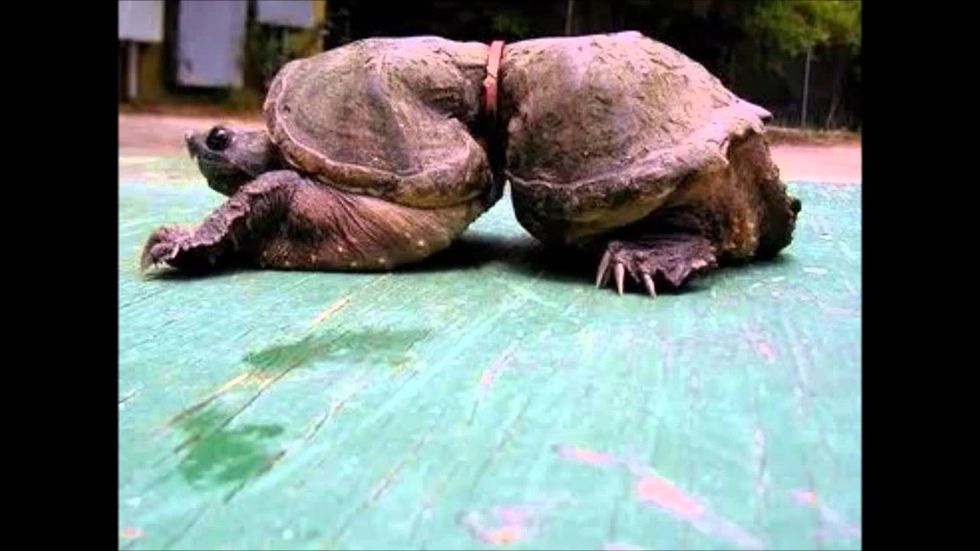
I'm sure that many of us have heard about plastic and its effect on the environment. We obviously need to buy less plastic, use reusable bags, and recycle. What a lot of people haven't heard of are microplastics.
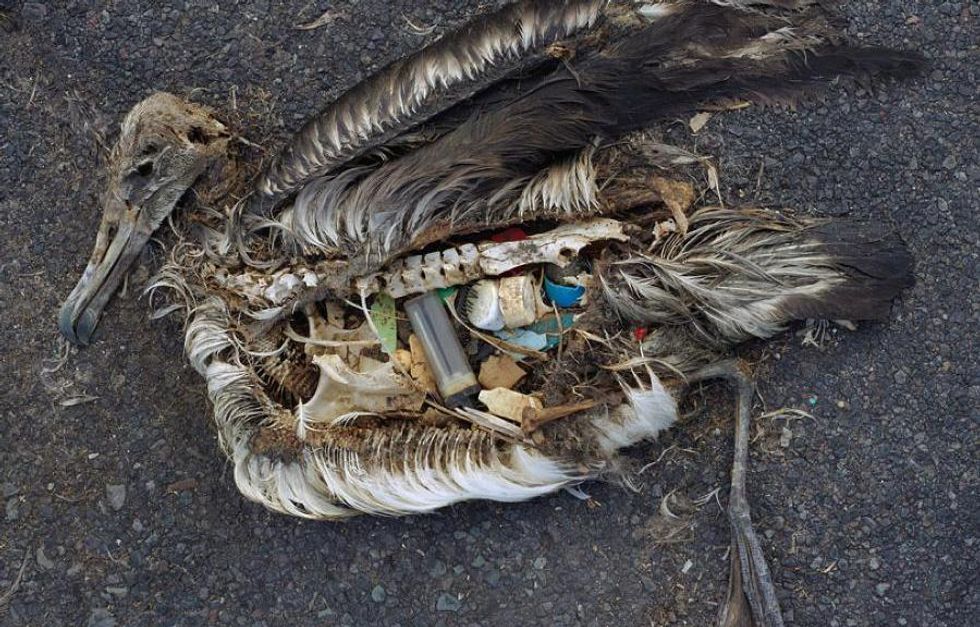
By 2015, we had 6.5 billion metric tons of plastic waste, and we're projected to have 12 billion by 2050. Nine percent of this is recycled, twelve percent is burned, and seventy-nine percent ends up in landfills and our normal environment. On social media, there are bottles shown in the ocean, fish tangled in plastic, and straws stuck in the turtle's noses. What we don't see a lot of is the microplastics that exist in the stomachs of marine life.
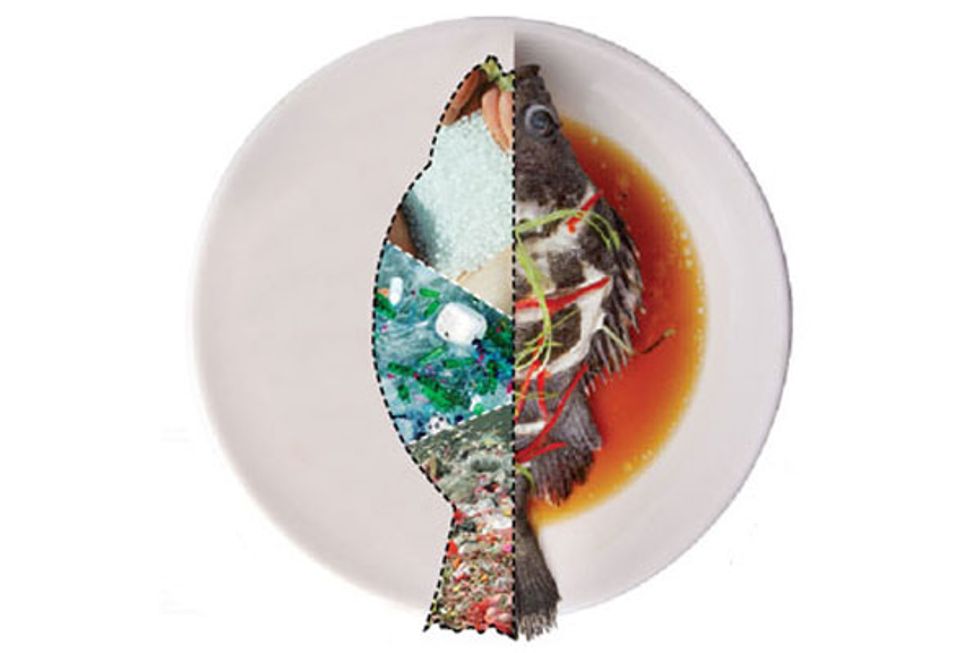
Microplastics can break off from larger ones, or they can come from microbeads. Our toothpaste, face wash, and other beauty products often have microbeads in them. These microplastics are swallowed by fish, and since they cannot digest, they fill their stomach and they are not able to eat. The same thing happens to large fish that eat other, smaller fish, and marine birds.
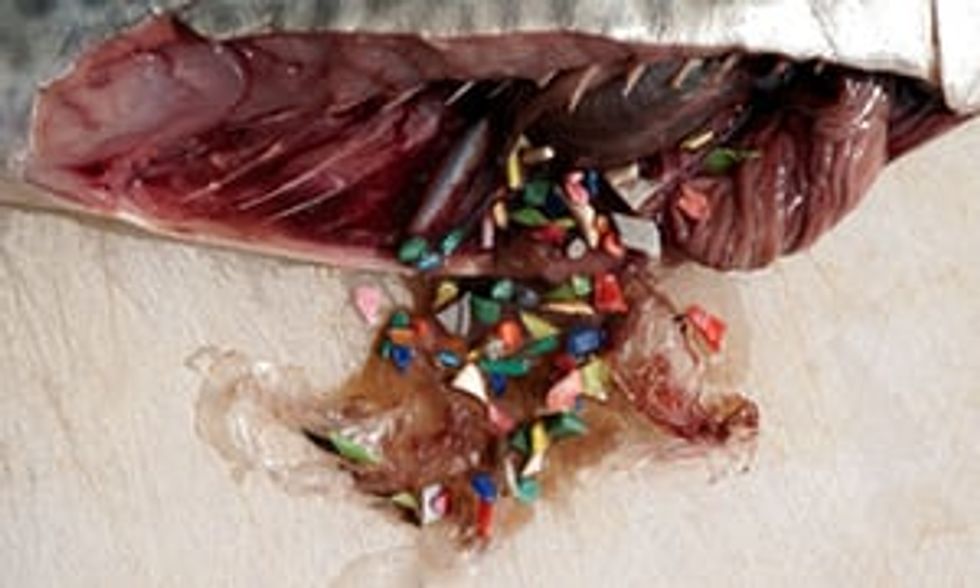
Ultimately, these toxins are going to get inside us when we eat the fish, which gives us a direct reason to stop contributing to this nonsense. A study done in February 2018 found that 73% of fish have ingested these microplastics. While we can't reverse what we've already done, we can help for the future. Please start using a reusable bottle and recycle. We don't need any more plastic on this earth.
 To all of you reading this, I hope that I have grabbed your attention. I know it is hard to wrap your mind around the Earth being different than it is now, but it could be destroyed easier than you think. If you still want to be living here in a few years, it's in your best interest to help preserve the Earth as much as possible. If we all work together, we truly can change the planet for the better.