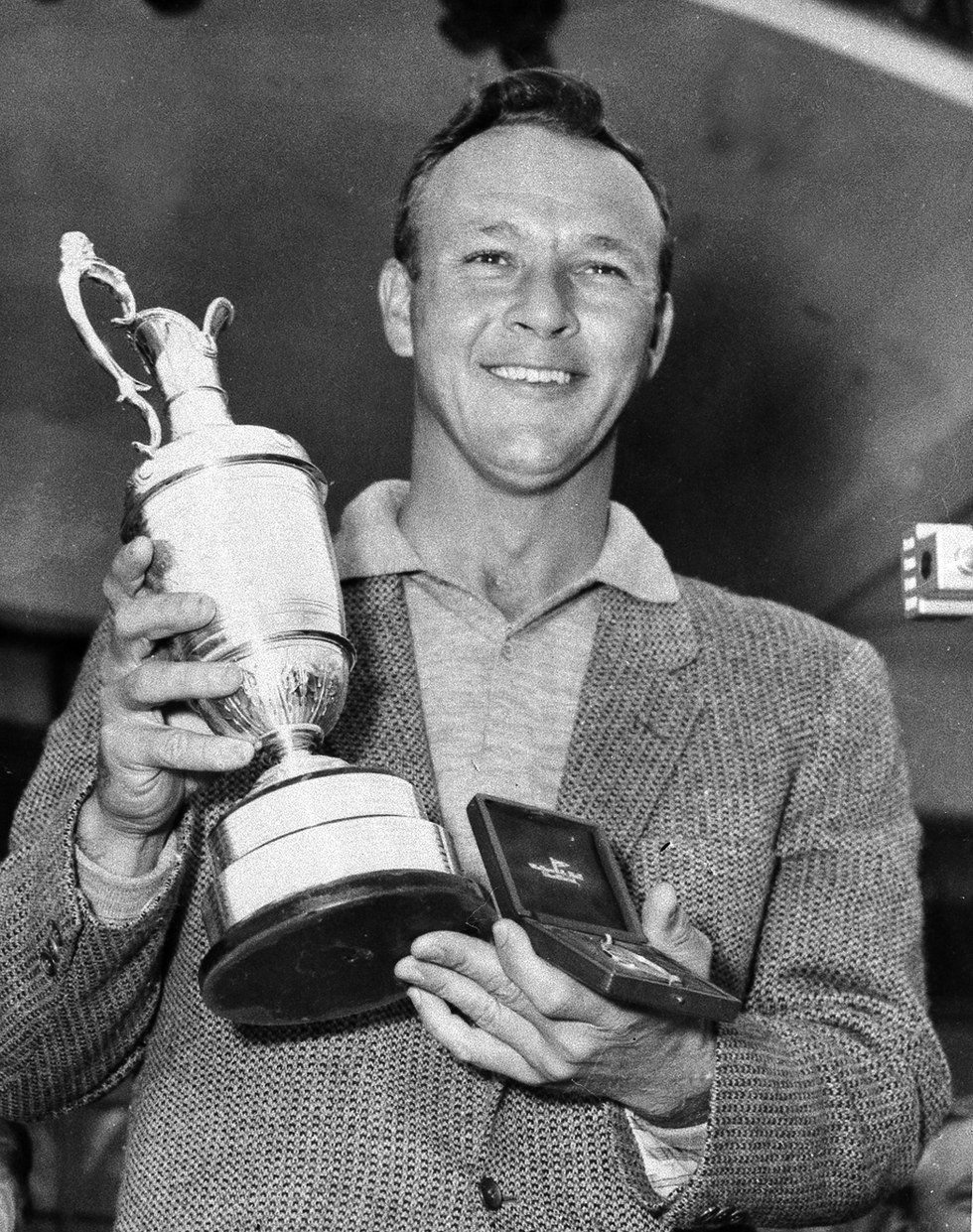
In the winter of 1961 Arnold Palmer was fighting with equipment manufacturer, Wilson, over a new contract. Palmer wanted a larger cut of the sales of the balls as well as golf clubs that had his name on them. Realizing that he could not live off his golf winnings for the rest of his life, Palmer wanted to create a sustainable life for his two daughters and wife. So he told Wilson that in order for him to sign the proposed 20 year deal, Wilson would have to buy him life insurance, which would cost the company $880. The Chief Executive, James Cooney, declined to extend these benefits to Palmer. As a result, Palmer turned down twenty years of guaranteed millions in order to launch his own company- the Arnold Palmer Golf CO, which began as a club manufacturer, but quickly expanded into clothing, equipment, instructional videos, and every other product associated with sports today.
Besides forming endorsement deals and creating his own company, Palmer served as the chairman of the Golf Channel now owned by Comcast Corp and was also involved with Pennzoil commercials, specialized drinks, and real estate- often buying designing and buying hundreds of golf courses. In doing so he became the first modern sports entrepreneur.
As hard as it is for millennials to believe today, sports athletes in the early 60s did not make money. All of athletes' income was directly tied to their prize winnings, especially golf. Endorsement deals, which seem obvious today, were not popular before Arnold Palmer. With the help of his agent, Mark M Cormack, who launched the sports and entertainment giant IMG, the duo changed the landscape of how athletes make money.
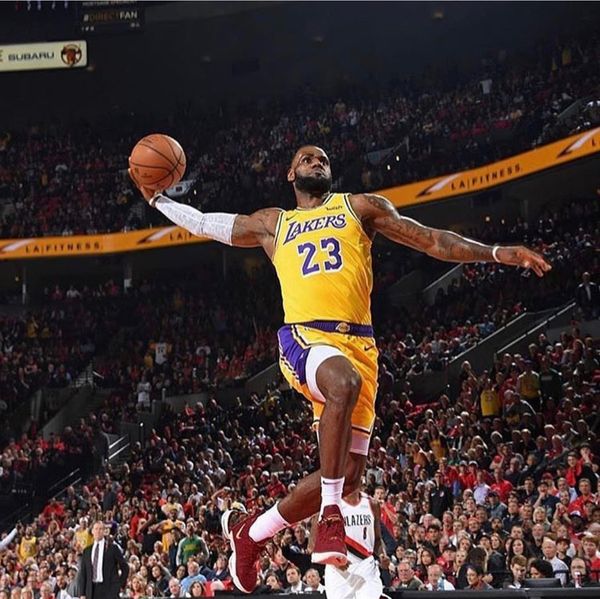
Without legends like Arnold Palmer there is no foundation for stars today like Lebron James, Derek Jeter, or Michael Jordan to create mega partnerships with athletic brands like Nike or Under Armour. When most stars' appeal was lost with retirement from competition, Palmer remained an international phenom for his entire life.
Palmer provided the blueprint for generations of athletes who make more money after their careers over through business ventures and endorsement deals than for sporting accomplishments.
Although it seems obvious now in hindsight. At that time it wasn't.
What Palmer did in his lifetime was enough to provide for his family, but also pave the way for mega-superstars to appear larger than life.