

1. People are selfish.
To think that someone else will notice that you're struggling to stay mentally healthy is nearly impossible when you consider that people don't even look at each other when they ride the MARTA or walk to class anymore. The saying "Don't talk to strangers" isn't even a concern anymore, because people hardly even talk to their friends. It's hard to imagine that strangers (or friends) could notice something that is hard to explain, hard to see, and hard to deal with when they don't even ask you how your day is going.

(picture from flikr.com)
2. It's hard to explain.
America is caught up in classifying everything. Just check out the handbook. When people don't know how to classify you they do one of two things: (1) misdiagnose you, or (2) try to tell you that your condition does not exist. Maybe people don't realize the stigma attached with diagnosing someone, and unfortunately, most people (including myself) are not well-educated enough to know all the possible symptoms and signs of every possible disease.
3. If you can't fix it, don't try.
I don't think mental health had ever been high on the policy agenda because it's hard to "fix." Why waste billions of dollars on something that highly differs between people? This state of mind is why lots of people go their entire lives without receiving the help they need.
4. We don't want to be labeled as "broken" or "crazy."
This one is self-explanatory. Who wants to be told that they're crazy? It may seem like the better option to continue on without treatment just to avoid the harmful labels associated with the "disease."

(picture from the guardian)
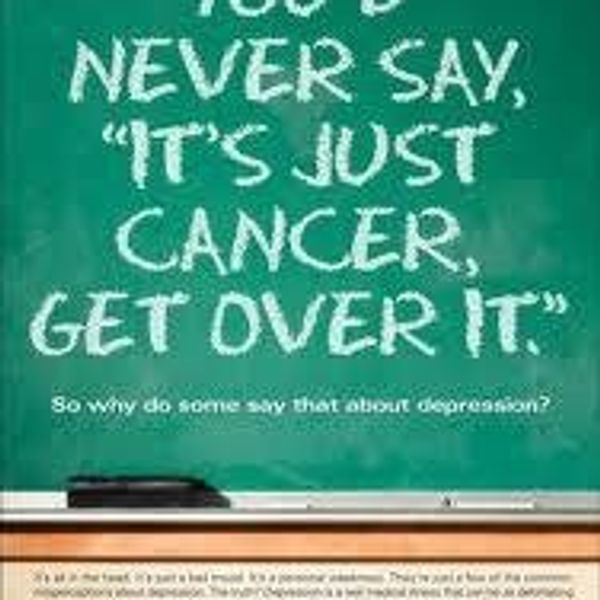
5. It's not okay to have a "sick" mind.
Whenever we have a sprained ankle or a cold we get a lot of sympathy: breakfast in bed, an excused absence, and all of your friends over for dinner. What does being diagnosed with a mental illness get you? Isolation. For some reason, it's more okay to have a sick body part and be physically broken than it is to have a few traumatic incidents that temporarily hurt your mind.
Overall, mental health takes a back seat to more visible problems such as economics, wars, and real estate—but did it ever occur to anyone that mental health could be a big factor in decisions for all of those issues and more?
Be attentive of the people around you—you may be the only friend they meet!