If you told me that I would be waking up at 4:45 in the morning in college, I would have laughed. Low and behold, I am.
When I envisioned my college experience, it was full of fun with my sorority sisters, participating in research and student organizations, taking classes in the honors college, but most certainly not sports.
I played lacrosse at a high intensity for several years, and I mean high intensity. My travel team alone consisted of flying across the country for tournaments every other weekend, visiting colleges, attending various camps and clinics, emailing college coaches, lessons, strength training, hours of extra workouts, and more.
All these things on top of a full academic schedule became extremely demanding and took a toll on my body. I got sick during season, was not sleeping well, and injured my back and L5 nerve. Playing made my left leg go numb and frequently made my spine feel like it was being pulled apart during practice and games. I ultimately quit my senior year to focus on other activities.
After taking a year off, I could feel my body losing its strength and dexterity and wanted to get back into sports. I was very nervous going into the Club Sports Fair: would I be able to play? How will my back react? Will my foot go numb again?
My thoughts were disrupted when the Men’s Captain, Gabe Mager, asked me if I had any interest in joining rowing. I had many friends who rowed in high school, so I was familiar with the sport. From there, we discussed how many rowers are still able to row even with past injuries, how rowing fits in with students’ academic lives, and their competition/practice schedule.
After that conversation, I could not wait for practice to start.
Once at MacArthur Court and saw the community, I knew this was my place.
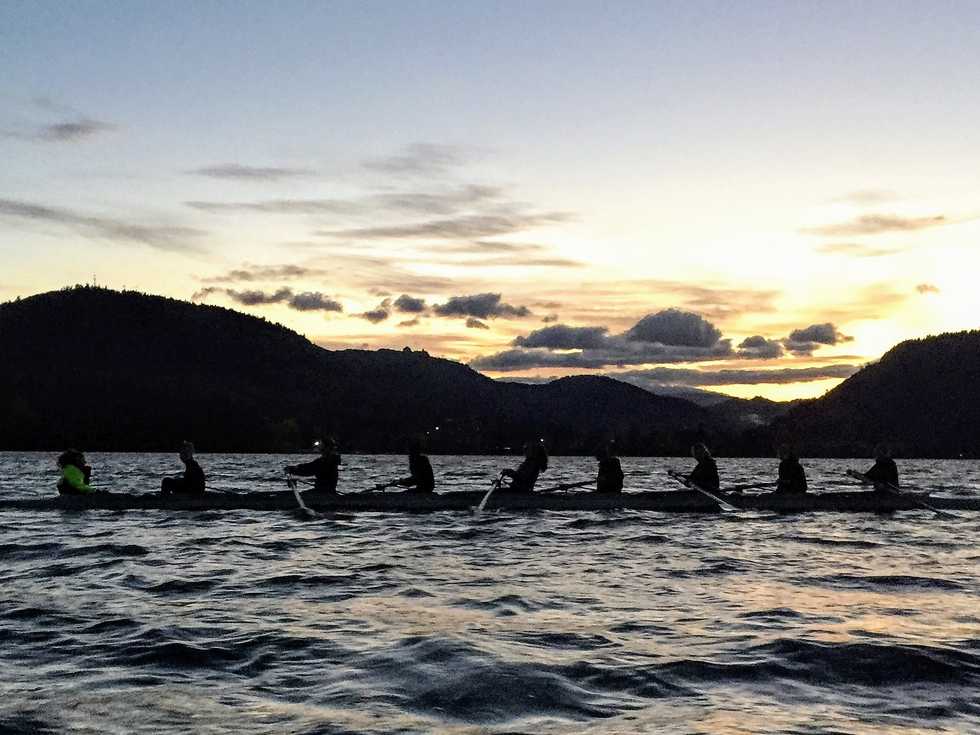
In rowing, there are two positions: coxswain or rower. I joined the former when I started rowing. The job of the coxswain is to steer the boat in races and provide motivations when your body wants to collapse.
Part of why I became a coxswain was the challenge in the job. There is a large mental component in learning calls, how to properly row, being confident in times of panic, and coordinating 8 bodies perfectly in race. It was overwhelming at first, but once I began learning, I didn’t want to stop expanding my knowledge. Anything and everything I can learn, I will.
Being in this position has also brought me closer to so many of my teammates. During erg workouts, our job is to make calls and correct a rower’s form. It has helped me start relationships with my teammates and coaches. These relationships have flourished as the term continues.
Over the course of Fall Term, I became happier and happier with my decision to join rowing and become a coxswain.
Pre-Medicine, the Natural Sciences, and the Honors College are all difficult tracks to follow, but there are many upperclassmen who have made it work with the taxing demands of rowing. I don’t feel the strain of only picking one part of my personality academics or athletics, but rather am able to let both coexist. I can quickly go from discussing 5k test scores to discussing psychological theory or the latest chemistry lecture then quickly back to rowing again.
Our cheer is “Ducks on three, family on six,” and this motto could not be truer. My teammates and fellow coxswains are some of my closest friends. It is difficult not to become close with the people you spend five days a week yelling at on a boat.
Although it is difficult waking up so early for practice, it is this community I am so fortunate to call my family that makes every stroke, alarm, 5k, and 4:45 practice test worth it.