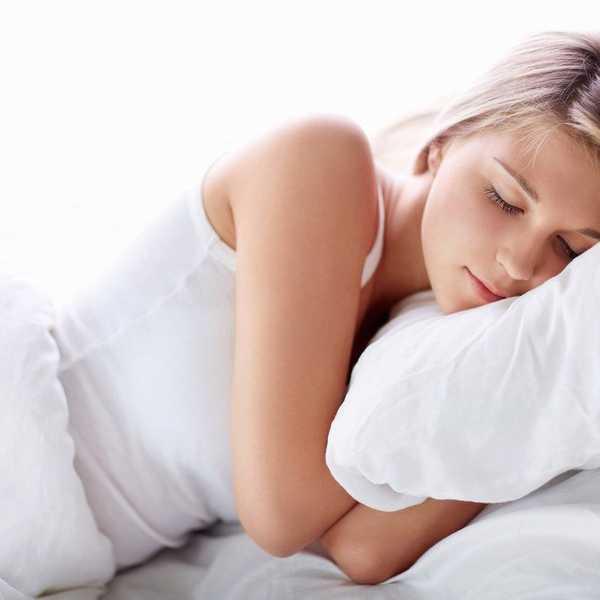
I know I do not only speak for myself when I say that I love jumping into bed after a long day. Being able to finally relax and do whatever I feel like doing is just not comparable to any other good feeling. It is extraordinary how sleep can determine many aspects of your entire day and frankly, your entire life. Sleep plays roles in many areas of the human person, such as the physical aspects of the human, the mental aspects, and the future aspects of a person and their wellbeing.As stated by the National Institute of Health, "sleep is as essential for your well-being as food and water" (http://www.ninds.nih.gov/disorders/brain_basics/un... , 2014).
First, we have to learn about what sleep is and how it works. According to the American Sleep Association (2016) (https://www.sleepassociation.org/sleep/ ), "Sleep is a normal active state of all living creatures in which the mind and body are less responsive." This being said, we can assume that our minds and bodies are actually active during sleep, going through cycles of different types of sleep. These different cycles are REM (Rapid Eye Movement) and non-REM sleep cycles (National Institute of Health, 2012) (http://www.nhlbi.nih.gov/health/health-topics/topi... ). These two cycles are both necessary to a good night's sleep and therefore, a better mood overall when awake.
According to National Heart, Lung, and Blood Institute (2012), "Sleep deficiency is linked to many chronic health problems, including heart disease, kidney disease, high blood pressure, diabetes, stroke, obesity, and depression" (http://www.nhlbi.nih.gov/health/health-topics/topi... ). Keeping this in mind, we can conclude that not having enough sleep can be a major issue. Especially among those who are already under great amounts of stress, sleep deprivation only heightens the risk of disease and health problems.
Mental wellness is obtained through several good health practices along with a good lifestyle. Sleep deficiency can affect mental wellness and awareness to a large degree and almost make it seem like feelings and emotions that you are feeling are much more prevalent than they actually are. With anxiety and depression in mind, feeling extra anxious or depressed when you haven't had enough sleep sounds like a horrible day.
In my own experience, sleep is critical to feeling well the next day. Sleep is a time when my mind can finally rest after all the worry and stress and different emotions the day has put it through. When I have sleep a full 8-10 hours, I do not feel as anxious and I am noticeably more content and more aware of my surroundings and my learning abilities are much greater than when I do not have enough sleep. When I don't have enough sleep, I find it difficult to focus on anything else other than my anxiety and what I am feeling and worried about. I also cannot stop thinking about when I can finally go back to bed to try and get away from the anxious feelings I have had all day.
In a discussion that I had with one of my close friends, we talked about how when she does not have 8-10 hours of sleep, she finds it hard to be productive and finds that her brain is not fully aware and wanting to learn compared to when she has had enough sleep, when she can get many things done and move on to items that might be finished early.
So, is sleep really that important? Yes. It is incredible how much of an impact sleep can have on your mental and physical well being, as well as your mental awareness and ability to learn. No matter who you are, what age you are, or what you think you are capable of, sleep is one of the most vital activities that you can participate in, as stated before, it is even compared to the important of food and water.