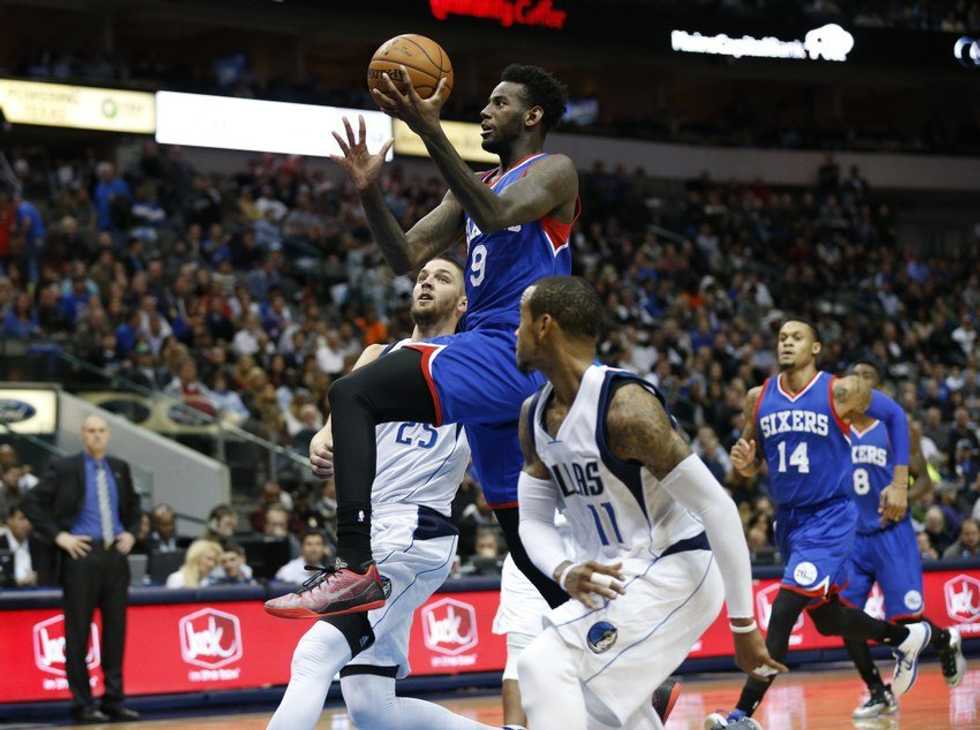
I purposely root for a team that loses. Over the past two seasons, the Philadelphia 76ers basketball team--playing before apathetic fans in a near-empty stadium--have accumulated a record of 37 wins and 127 losses, a win percentage of 29 percent. At one point, the Sixers lost 17 games in a row whilst reaping national scorn, and by far the worst record in the NBA. The Sixers are not just bad, but historically bad. One would think that being a fan during this dark time would be disheartening, perhaps even maddening. The truth is, I've never been a bigger fan.
Since their 2001 Finals appearance, the Sixers have been mired in mediocrity. In basketball, the treadmill of mediocrity dooms a franchise: the Sixers are neither good enough to contend for the Finals nor bad enough to garner a high lottery draft pick. With only five of your players on the court at a time, acquiring a so-called “superstar” remains paramount. Unlike other sports such as baseball, the stars, rather than the depth of a team, catalyzes success. A superstar such as LeBron James or Stephen Curry represents astronomical value to a franchise. For the superstar-less Sixers, flickers of excitement would appear in the form of brief, surprise playoff appearances, only to be inevitably extinguished by the following year's return to normal as an average, middling NBA team with no chance of champion aspirations. Finally, in 2012, salvation came in the form of the Sixer's decision to hire current General Manager Sam Hinkie. Hinkie has adopted the rather unconventional strategy of embracing the team's current failure. His first major move was to trade away the Sixers’ best player, Jrue Holiday, in an opening salvo towards building for the future. Any player that didn’t factor into the team’s future plans was traded for high draft picks, salary cap space, and future assets. The Sixers field a roster that even most hardcore NBA fans would have trouble recognizing. Players, who otherwise would have no NBA future, such as Jakarr Sampson, receive substantial playing time. This inevitably leads to a team presently gutted of talent, but stockpiled with ammunition for future glory. Ultimately, current management views short-term sacrifice as a prerequisite to long-term success.
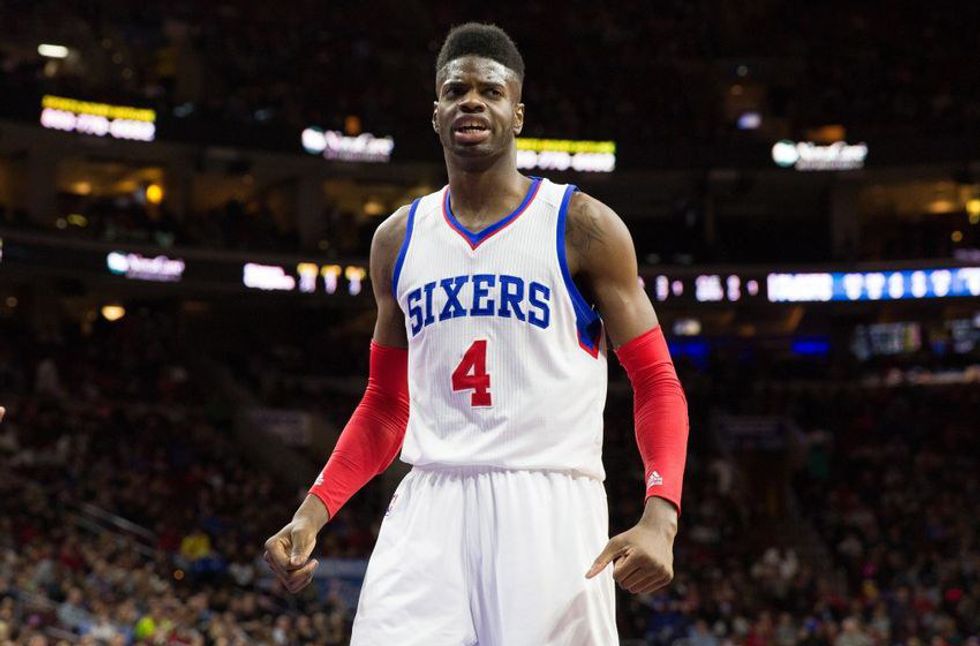
As a Sixers fan, I haven't had much to look forward toward to over the years, aside from the excitement generated by the lone playoff experience here and there. Unlike other team's fans who could plausibly root for a championship appearance each year, I knew going into each season the Sixers had almost no shot of contending for a championship. Apathy grew to define the Sixers fan.
So why am I still a Sixers fan? Above all, the team’s strategy provides hope, the ground by which sports fans stand on. Sam Hinkie and the Sixers are not selling Sixers fans on a promise for future success. Rather, Sixers fans have latched onto the hope for a better future. We envision a future where the Sixers are no longer the laughingstock of the NBA. We envision a future where the Sixers play into February. We envision a future where players rush to join our team. Perhaps more importantly, the Sixers serve as a fitting life metaphor. We sacrifice and toil mightily today--“embracing the suck”-- towards ultimately achieving a brighter future. When striving for long-term success, the pain we experience today becomes trivial. Sometimes we accept risk in order to rocket above mediocrity. And when the Sixers are finally good? I'll fondly recall the time I saw the Sixers trot out of a roster with players like James Anderson, Daniel Orton, and Jarvis Varnado.