

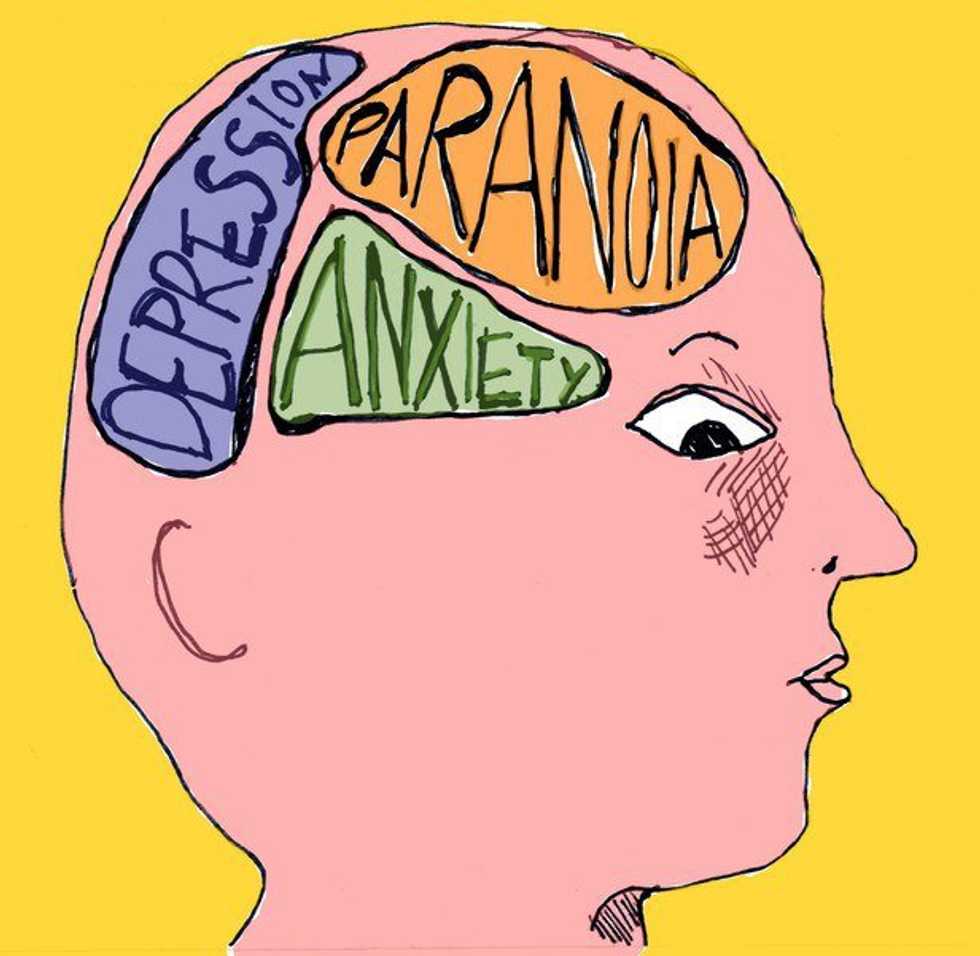
Everyone has hard times. Sometimes, though, hard times aren't just hard times. An estimated 42.5 million American adults (18.2% of the adult population) suffer from mental health problems. Some statistics claim that as many as 1 in 4 people age 18 and older have some form of mental illness. This doesn't even including the growing number of minors who struggle with mental health issues.
So, chances are, you know someone with a mental illness.
Although some recent hit movies might have you think different, most people with mental illness are not more likely to be any more violent than a neurotypical person, though people with severe mental illnesses are ten times as likely to be victims of violent crimes. The person most at risk from a mentally ill individual is that individual, with suicide being the 10th leading cause of death in the United States today.
If you love someone, or, hell, if you even just know someone with a mental illness, you may frequently wonder, "Well, what can I do to help?" Well, here's what you can do:
(Disclaimer: this article focuses primarily on thecare of people going through bouts of depression, as it is relevant to multiple prevalent mental illnesses.)
Step One: Notice the signs
When someone is hurting, there are a few signs that you may notice, or should be on the lookout for. If someone's appetite has noticeably increased or decreased appetite, if they are sleeping too much or too little, or if they are exhibiting behaviors atypical of their "normal." Losing interest in favorite activities is a commonly known symptom of illnesses like depression. One big warning sign is evidence of self-harming behaviors, such as cutting, burning, and self-hitting. Though self-harm or self-mutilation doesn't always indicate suicidal intent, it is a sign of major emotional and mental distress in an individual.
Step Two: Ask
When you notice a friend or loved one might be experiencing a mental health problem, the best thing to do is approach them directly, but with tact. Engage them in face-to-face, one-on-one conversation, but be relaxed. Don't be condescending. Don't talk down or act too parental; be friendly, cordial, and caring. Ask your person how they've been doing, if they're okay, if there's anything they want to talk about. If they talk, listen. If they don't, and they seem uncomfortable, don't push them. It's key not to be accusatory or detached in your approach. Even if they don't want to share, be sure to remind them that you are there for them if they need you, and continue to check up on them for as long as the problem lasts.
Step Three: Care
Different people need different things when it comes to care. Depending on their illness and how it affects them, constant care may be required, or just when they go through a high or low swing. Additionally, how you address an individual's needs in care really depends on that person. For example, some individuals with mental illness prefer to be around multiple friends and loved ones to feel validated and loved. Others prefer to be left to their own devices (though here you must be cautious, as especially with depression a feeling of being unloved and unworthy of love can cause individuals to isolate themselves, even if they truly desire the company of a friend or loved one). If this person has been open with you about their mental illness, ask them about how you can help and what makes them feel better, stressing that you are happy to help and willing to do whatever improves their mental state. Many who struggle with mental illness feel like a burden to loved ones and consistent reassurance is very important. For those who are less open with their struggle, here are some general ways you can help out without being overbearing:
1. Get them outside! If it's nice out, the good weather may help to improve mood. Sunshine and fresh air never hurt.
2. Help them keep their spaces tidy. Especially with people who struggle with depression, clutter accumulates very, very quickly, and a sea of material chaos can detrimentally contribute to the disorder in a person's head, worsening mood and outlook and potentially increasing feelings of worthlessness (along the lines of- "I can't even clean up my own bedroom!). By helping them clean, you are restoring some order and cleanliness to their life, a much needed improvement.
3. Make sure they're eating properly. Maybe offer to go to lunch with them, or bring a healthy meal to share together. A healthy diet won't cure someone's mental illness, but it can soften the impact of a low swing. Maybe even just bring them a special treat, something you know they love, to remind them that you're thinking of them.
Most of all, remind your loved one that they and their feelings are completely valid and that they shouldn't be scared to express them. Be there for them, and love them as openly and gently as you can. If nothing else, be a friend. If nothing else, listen.
Want some guidance from more professional sources than an 18-year-old college student? Check out the links below! (I have bolded the ones I found most helpful and accurate, but all are good!)
1. http://www.thekimfoundation.org/
2. http://everydayfeminism.com/2015/03/supporting-peo...