Why is it so hard? You see someone ask another person if they’d be interested in going out. Sounds simple, right? The answer is either a yes or no. Two common options everyone eventually deals with.
Let’s assume the answer is yes. Then if the date goes well, it leads to another date and another and maybe even marriage or a verbal engagement without the involvement of paperwork or a ceremony. The assumption is that you are both in love. You have expressed your love. You are free to show affection at the expense of others. Your partner acknowledges you, and together you are mutually supportive to one another. Sounds like a common thing, right?
Well, what happens when this kind of narrative doesn’t exist and you don’t have the same rights to it like everyone else? Maybe a larger question is: Why is there no language, conversation, or desire to associate this narrative to trans people, even more specifically, transwomen?
I think to answer this question is to address the erasure of who transwomen are as not only people, but women.
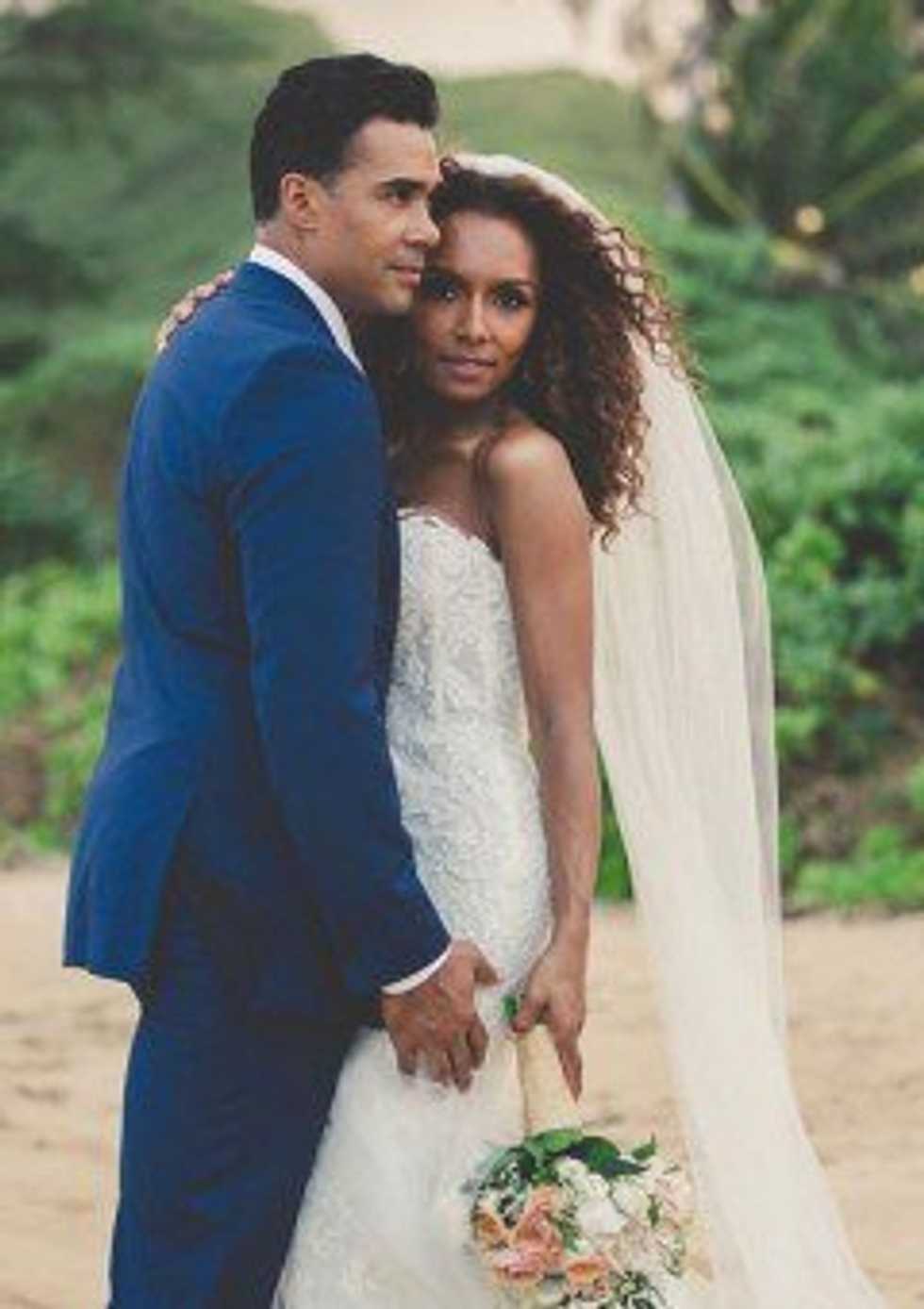
As Janet Mock has put it a number of times, “Transwomen are real; they exist, and there are men who want to be with transwomen, and there’s nothing shameful or embarrassing about that.”
Of course Janet Mock, like Laverne Cox, understands where we are in our society. Men are afraid, and masculinity is fragile. There are very few men who would ever say "I love a transwoman." The very idea is practically an impossibility, but no one address it because to the world, transwomen don’t exist.
I wonder if Walt Disney ever thought. "Well, transwomen need a princess, too. Is the Cinderella story too much for us?" Well, I’m sure Disney didn’t think much of anything if it took this long to get a princess of color on the big screen.
It’s interesting how no one tells you once upon a time doesn’t mean once upon a time for you, because it would imply a happily ever after, and let’s be honest, that’s not the story transwomen get. Bet no one expected me to throw a wrench in the notion of romance when it comes to accessibility. Of course, it’s important to understand transwomen may not be the only ones with obstacles when it comes to the subject of romance or life, but they are one of the many who never get heard.
When there is a spotlight on the romantic trans narrative, it becomes a scandal. Have you ever noticed that? A scandal. Wow, could Kerry Washington handle that? Bet not.
The public is ready to point the finger and comments are thrown out like, “That’s a man!” and “That’s a man in a dress!” and so forth. Some ciswomen love to point out the lack of authenticity in transwomen, as if they are anything but real and as if they aren’t women. The men caught in these so-called scandals feel so ashamed of themselves they have to release public statements about how sorry they are for their actions. I’d like to call that rejection in to a larger degree.
In a second interview with Laverne Cox, she talked about the disillusionment she had when she came to terms with reality. Her words have really stuck with me. "It doesn’t matter how pretty you are, how smart, how successful etc., no man will come out of the woods to publicly declare his affections for you." I bet she also meant very few men would tell you they love you without a sense of shame.
For a while these words stuck with me in a negative way, but now as I think back to them, I wonder: How do we change this? Laverne has made some powerful points as Janet Mock has, too.
First, we must acknowledge the toxic power of masculinity as it is constructed by society. Masculinity is the most fragile thing I’ve come to know. Second, by acknowledging masculinity we need to stop policing men, we need to stop asking them to man up, to prove their masculinity.
I’m sure I could buy my own planet with how many times men asked if dating a transwoman makes them gay.
Third—and this should actually be first—we have to acknowledge transwomen as women, as real. Acknowledge that their lives matter and let them give voice to this narrative. In addition, we cannot expect them to pick up the pieces of insecure men and put them back together again. That is not the job of a transwoman, but the job of an individual and society to create the change.
I know none of these things are easy, but talking about them is essential. Some men do exist, who are secure in themselves and openly love transwomen. Janet Mock is one of the few stories I know where the romantic narrative exists. But should there be only a few exceptions? Should the reality of love continue to be inaccessible to one group but not a whole section of others?
No!