There are so many holidays every year that are a part of America's culture. Many of them are from other cultures, yet only add to the melting pot of what makes up the U.S. Some are a choice of whether you celebrate them or not. Some are considered federal holidays, and businesses close for the day. Some are traditions within the family. But all have been flooded with commercialism and materialism, drowning what they actually stand for.
I often have the conversation with friend as to what we are supposed to be celebrating when a holiday comes around. In order to help promote the real meanings of why we celebrate these days, here are ten of the misunderstood holidays:
1. Independence Day
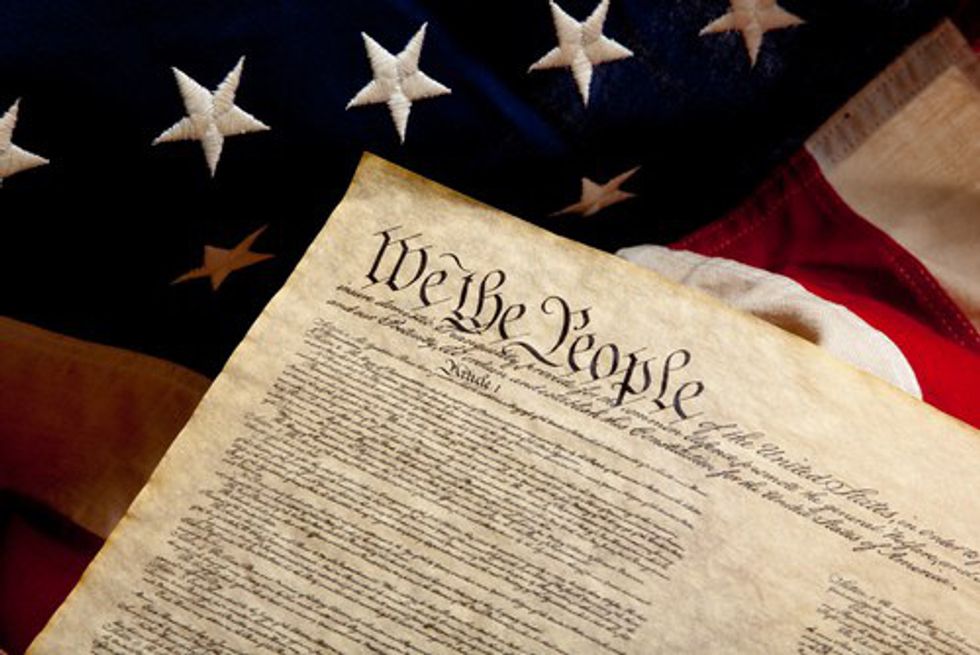
July 4, 1776 was the very day that this holiday began. It was the day that we declared our independence from Great Britain, and became the United States of America. This holiday is better known as the Fourth of July, and is a day full of family and friends, fairs and food, sparklers and fireworks, parades and barbecues. Among the slew of affairs on this day, people tend to forget what we are celebrating. Yes, lawns will be decorated with our flag and people will be draped in red, white and blue, but there are few people who remember that they are celebrating their freedom. Their freedom that hundreds of people before them lost their lives to obtain. This is a day that people can show their pride for their country and celebrate it with their friends and family.
2. Valentine's Day
This holiday is highly commercialized. Every Feb. 14, many shades of pinks and reds scatter the world with hearts and cupids. Couples are buying each each other gifts of chocolate, jewels, etc. Valentines are exchanged as early as kindergarten, and nobody seems to know what exactly they are celebrating. Turns out that this holiday is a sort of mystery as to why it is named after Saint Valentine.
According to History.com, there were three Saint Valentines — all saints being martyrs. One of them defied the law put in place to ban young men from getting married since they were the best candidates for soldiers. St. Valentine went against this by preforming marriages in secret. He was then put to death by Claudius, the man who banned such marriages. In the Middle Ages, Valentine was known to help Christians escape harsh Roman prisons where they were beaten and tortured. In his own imprisonment, a legend says that he sent the very first valentines to his jailor's daughter who he fell in love with. He signed them, "From Your Valentine." This saying is still used.

3. St. Patrick's Day
Usually celebrated on March 17, St. Patrick's Day begins. There is a common belief that everyone has to wear green or else anyone, even if they are a stranger, can pinch the offender in any other color. Children draw and color rainbows ending in a pot of gold with little leprechauns dancing nearby and shamrocks littering the page. It is also known as a big party holiday among Irish and Irish-at-heart people.
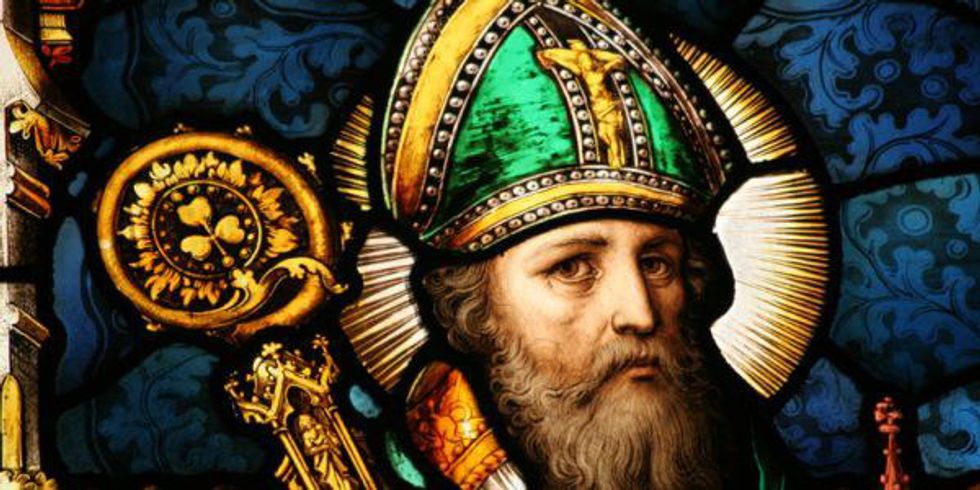
Now, St. Patrick was canonized by the Catholic Church and is responsible for converting over 135,000 people, established 300 churches and consecrated 350 bishops. At 16, he was captured by Celtic raiders and was a slave for several years. After converting the raiders to Christianity, he left Ireland, only to come back to Ireland to establish the church. He used the Shamrock as a symbol for trinity to help win over the Druids since they held the plant as something sacred. Supposedly, he was also responsible for bringing alcohol to Ireland after returning to the country, shaping the culture in the years to come.
4. Halloween
This October holiday is a night where people of all ages dress up in costumes, some more scanty than others, and go out for a good time. Children trick-or-treat, adults go out to party. Candy and sweets are a must. But what began this tradition?
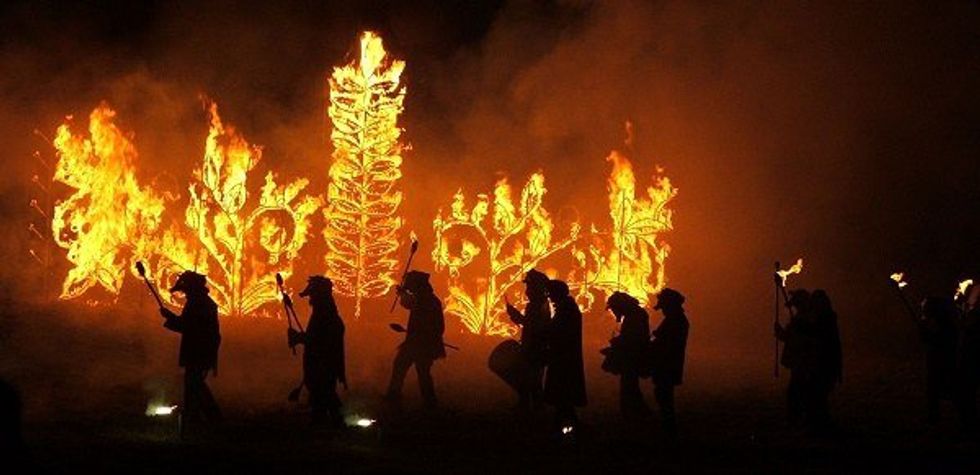
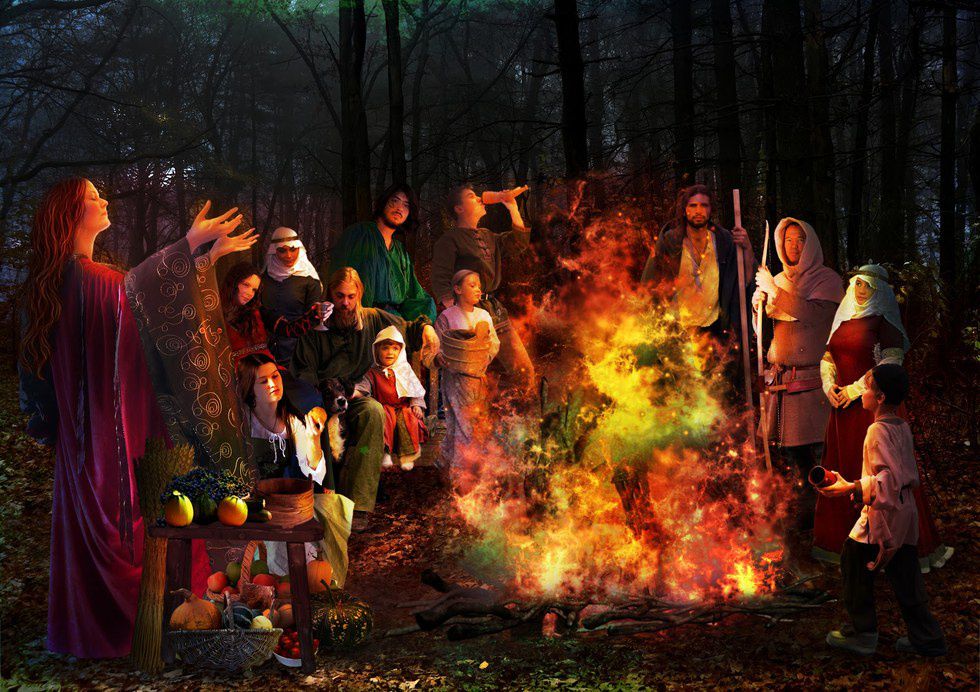
It is said that this holiday originated in the Celtic festival of Samhain. Samhain was thought to be a night when ghosts could return to the Earth to cause problems and destroy crops. This festival was a night when people would ward off ghosts by lighting bonfires and burning crops and animals as sacrifices to Celtic Druids while wearing wearing costumes and attempting to tell each other's fortunes.
While bonfires and costumes are still a thing on this holiday, it makes it a little more spooky knowing that the veil between the dead and the living is at its thinnest, and sacrifices were typically made on the night of All Hallows' Eve to keep them at bay.
5. Memorial Day
Typically on the last Monday in the month of May, this holiday is often confused with Veteran's Day. Most people just see this as a day off work and time to go camping for the long weekend or have big barbecues with friends and family.
But this holiday is actually for those active service members who lost their lives in the line of duty, or who have passed on. It is a day where family and friends remember their loved ones that they lost. Take a moment during your barbecue to honor those who lost their lives fighting for your freedom, if no other day in the year.

6. Veteran's Day
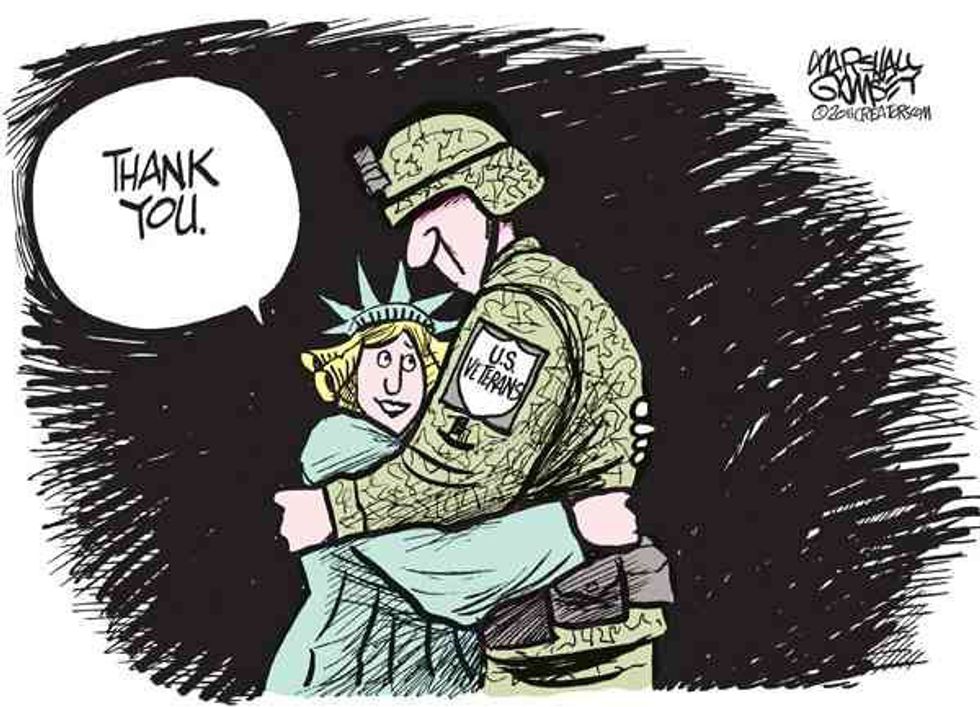
Since I talked about Memorial Day, I want to mention Veteran's Day. This holiday celebrated on Nov. 11 as the anniversary of the end of World War I. It is a day to celebrate and honor all service members in the U.S. military. This is the day that you celebrate any soldier, airman, marine, etc.
7. Labor Day
This holiday is on the first Monday of September. While most people see this day as a marker as to when the school year begin, it is actually a holiday to celebrate all the accomplishments of American workers.
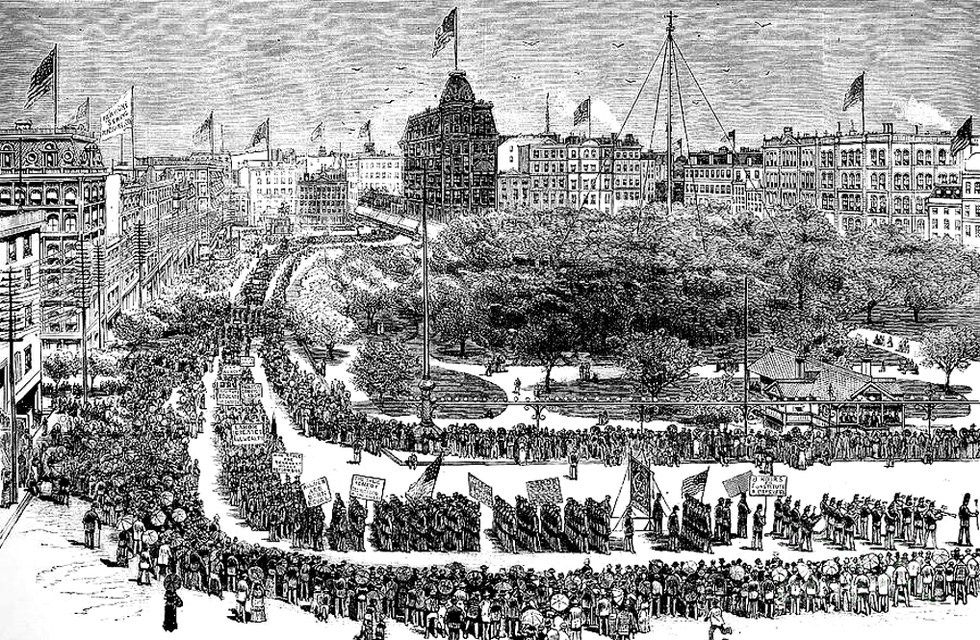
It started with the United States Industrial Revolution in the 1800s. American's worked 12 hour days, seven days a week and unions started up. Strikes became a common occurrence, and on the Sept. 5, 1882, about 10,000 workers took off work and didn't get paid in order to march from City Hall to Union Square in New York City. This marks the very first parade for Labor Day in U.S. history.
8. New Years
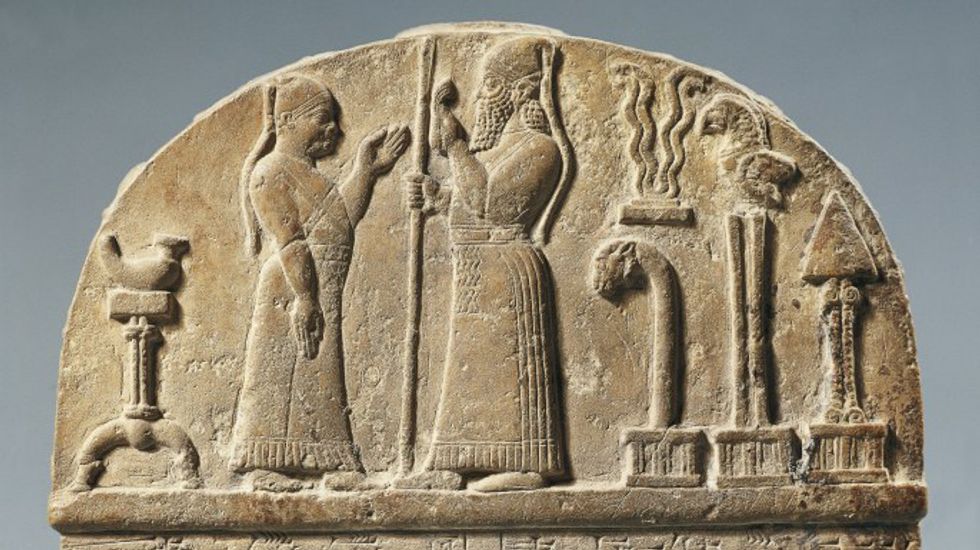
This holiday is different for certain cultures, but it can be traced all the way back about 4,000 years to the times of kings or divine reign renewal. The victory of the Babylonian sky god Marduk against the evil sea goddess Tiamat marks the day of the New Year. Also known as Akitu, which was a huge religious celebration that called for a different ritual to be performed for each of the 11 days that it lasts. It was a day that would mark equal amounts of light and darkness.
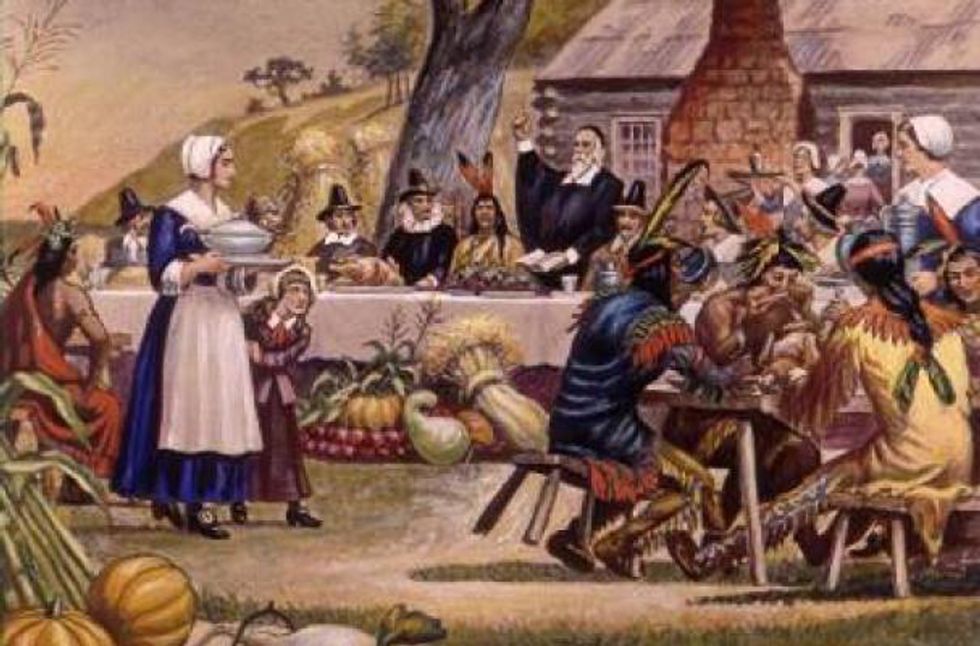
9. Thanksgiving
Beginning in 1621, the first Thanksgiving day feast was shared between Plymouth colonists and Wampanoag Indians.
It began with the arrival of the May Flower and a brutal winter that killed about half of the people who came to the "New World" on it. In the following March, an Abenaki Indian went to the Plymouth colonists to teach them how to survive in the nature. Once they saw the pilgrim's very first successful corn harvest, the governor at the time (William Bradford) threw a celebration consisting of a feast where he invited a group of Native American allies including the pilgrims and the Wampanoag people.
It wasn't until 1863, when President Abraham Lincoln called for Thanksgiving to be held every November.
Now, it is known as a day of eating until you burst and taking a food coma nap. But try to remember all of the things that you should be thankful for on this day. Not everyone is lucky enough to have this holiday.
10. Christmas
This is one of the most commercialized holidays in the American culture. I mean, advertising and decorations go up as early as Halloween.
People have become to obsessed with presents and absorbed in the materialistic values of the holiday when really, it is a day to spend with family. It is also a religious marking the birth of Jesus.
But even if you do not celebrate in the religious way, it is still a day of worship to others and should be celebrated with friends and family.
Spend more time giving thanks for the feast that you will most likely have with family and friends and not so much on getting and giving the best present.
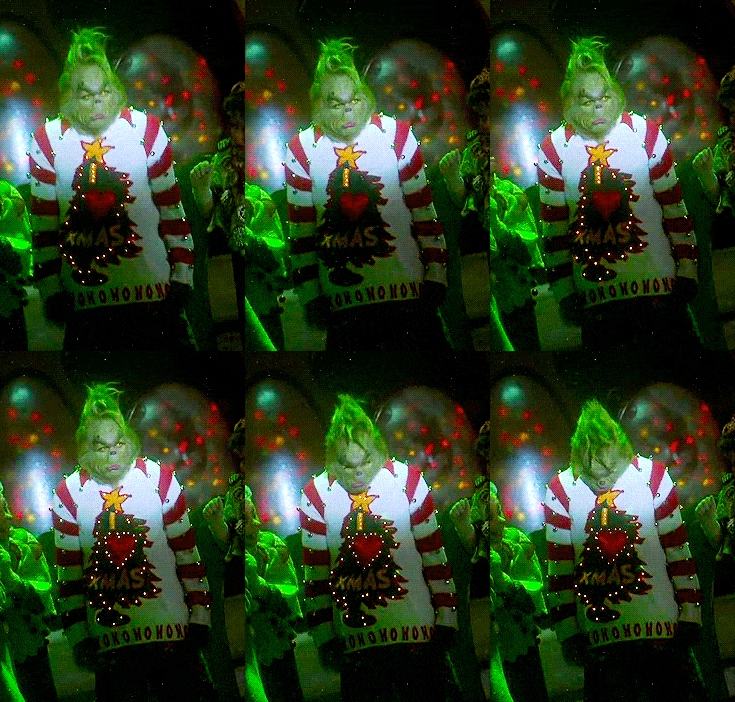
As the Grinch in Dr. Seuss's story says, "Then the Grinch thought of something he hadn't before: 'Maybe Christmas,' he thought, 'doesn't come from a store — Maybe Christmas — perhaps — means a little bit more.'"