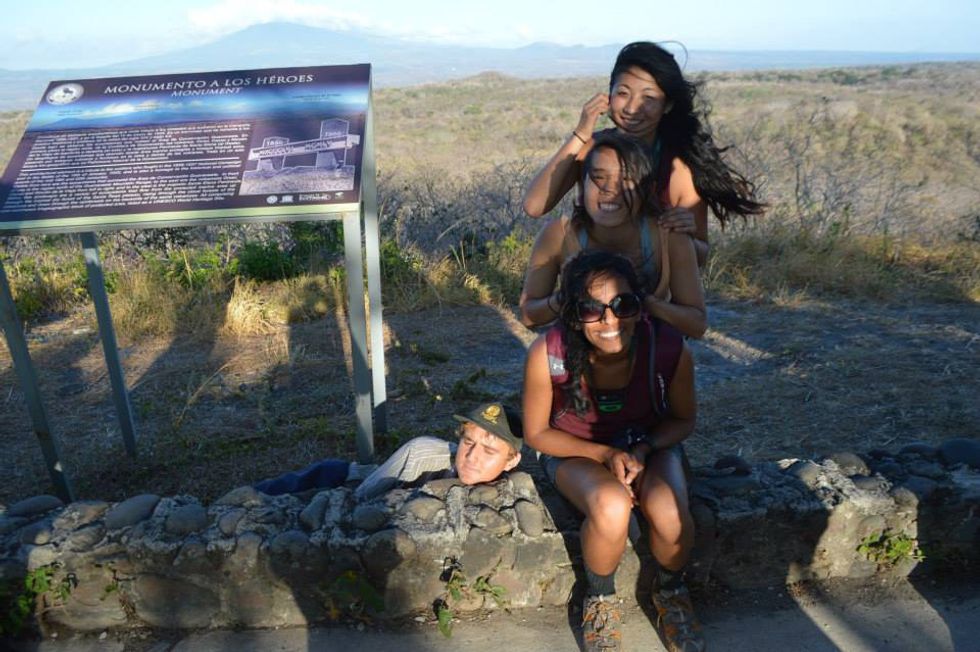
After a month of living and learning together the twenty-eight of us had to split into two groups and head off on separate adventures. Half of us went to our two week home stay arrangements while the other half began their one week backpacking trek to Peñas Blancas.
On the morning of departure excitement was radiating from everyone, but flashes of unease on people’s faces added anxiety to the atmosphere as well. We said our goodbyes between the two groups as though we would never meet again. It was expected, we had bonded to become friends and family, even our professors and TA’s received bone crushing hugs as a reminder of the undying connection we had formed. I might have shed a secret tear or two, but I knew that what lay ahead was going to be incredible.
Never had I been thrust outside of my comfort zone so thoroughly as when I traveled by bus to a tiny fishing town to live with a local family. Ten of us were spread out in the neighborhood, living with Cuajiniquil families. I had a new homestay baby brother, younger brother, and mom. Initially this experience made me a tinge extra homesick for my own family, but my homestay mom was a seasoned veteran, having housed many students in the past, and she did her best to make me feel welcome.
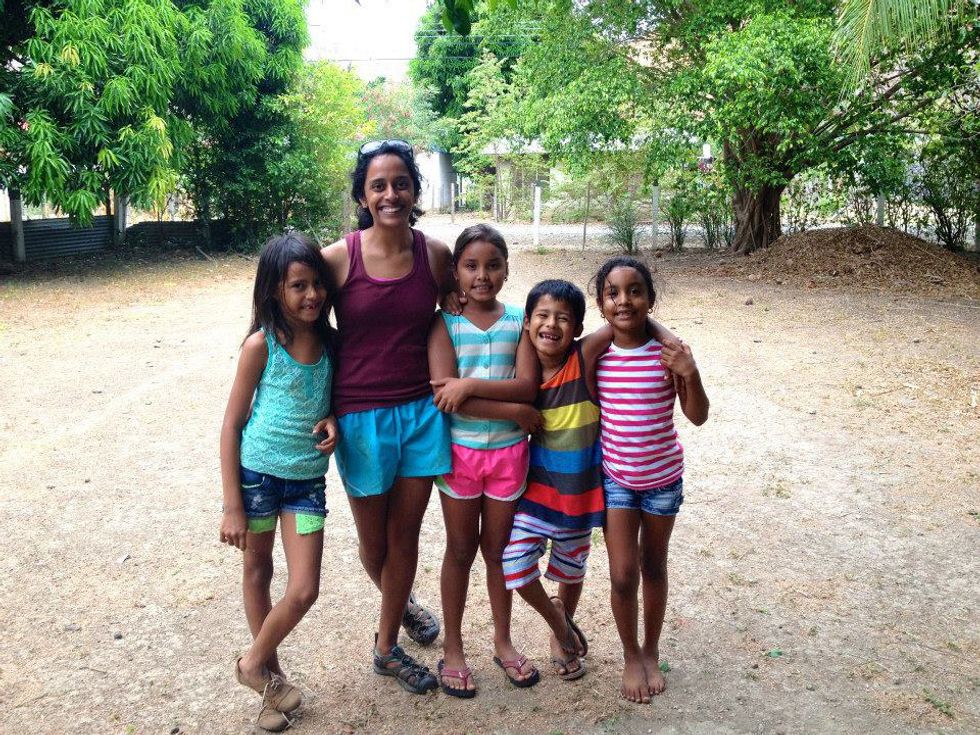
I had been taking a beginner’s Spanish class in Monteverde, but it was during my homestay where I gained most of my handle for the language. My homestay family was not too privy to speaking English so I became immersed in Spanish. The best part of the homestay experience was being able to learn the Costa Rican culture first hand. Each house had a hammock hanging outside, there were chickens running around people’s yards, neighborhood kids came out to play in the dirt roads and there were so many other little things that would be too meticulous to write all down here. Sometimes this community reminded me of my home in India where strong family ties were evident, children were freer to explore, and the food held a stout sense of culture and tradition, (not to forget, each day was really hot!).
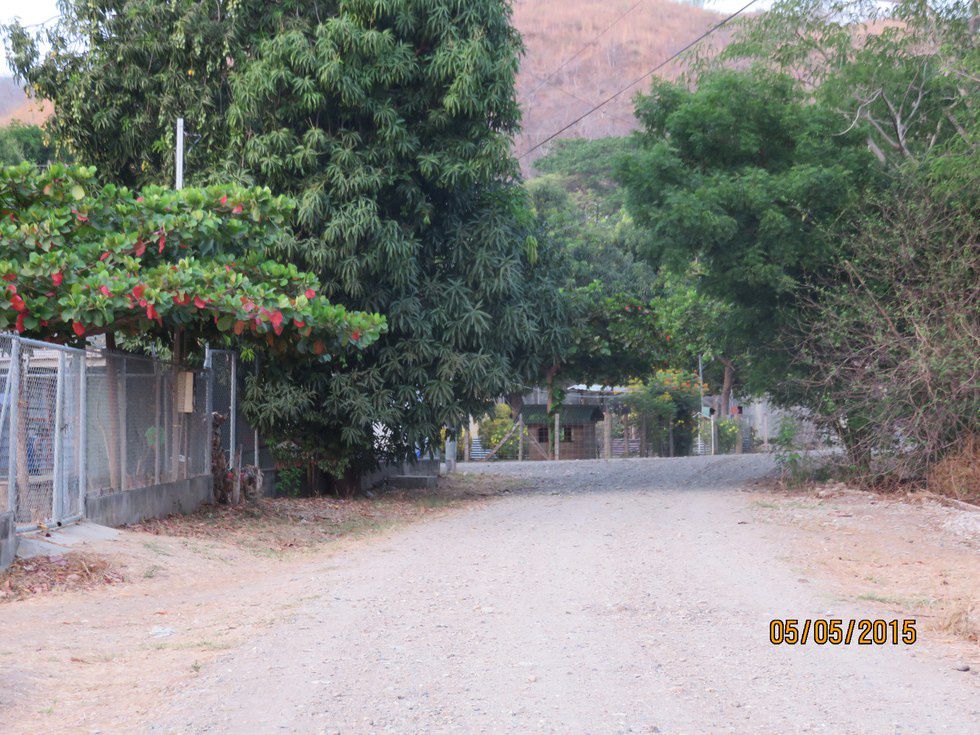
We had a “homebase” in the form of Casa Verde, our professor’s house-turned-lab in the neighborhood. It was literally green and stood as a place for us to congregate as we conducted our individual research. It was also one of the few places we found internet access.
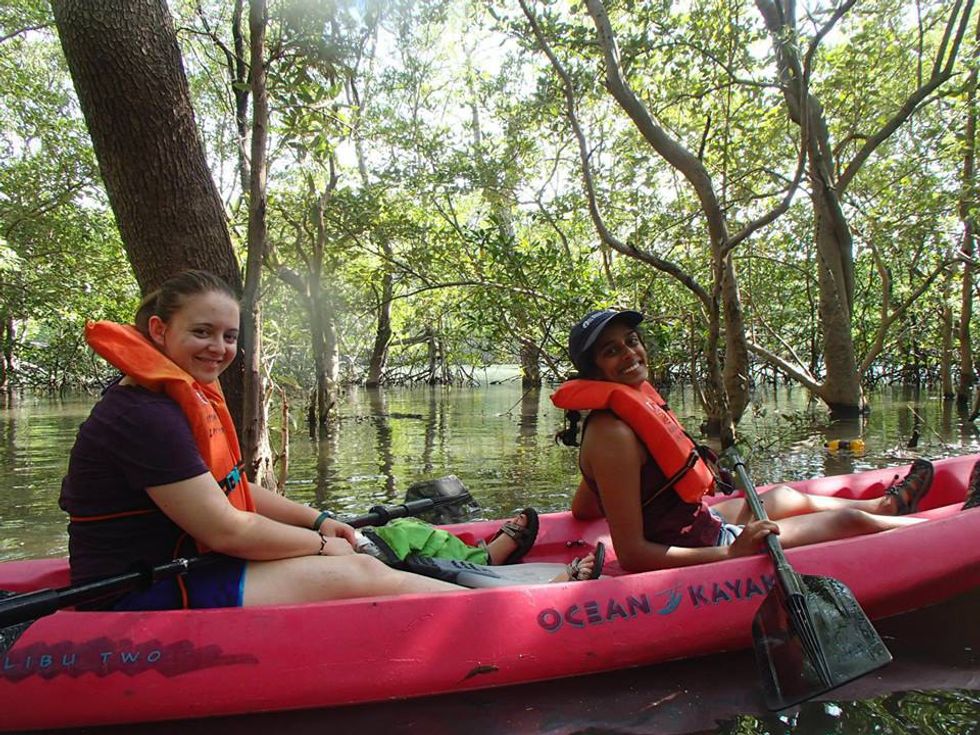
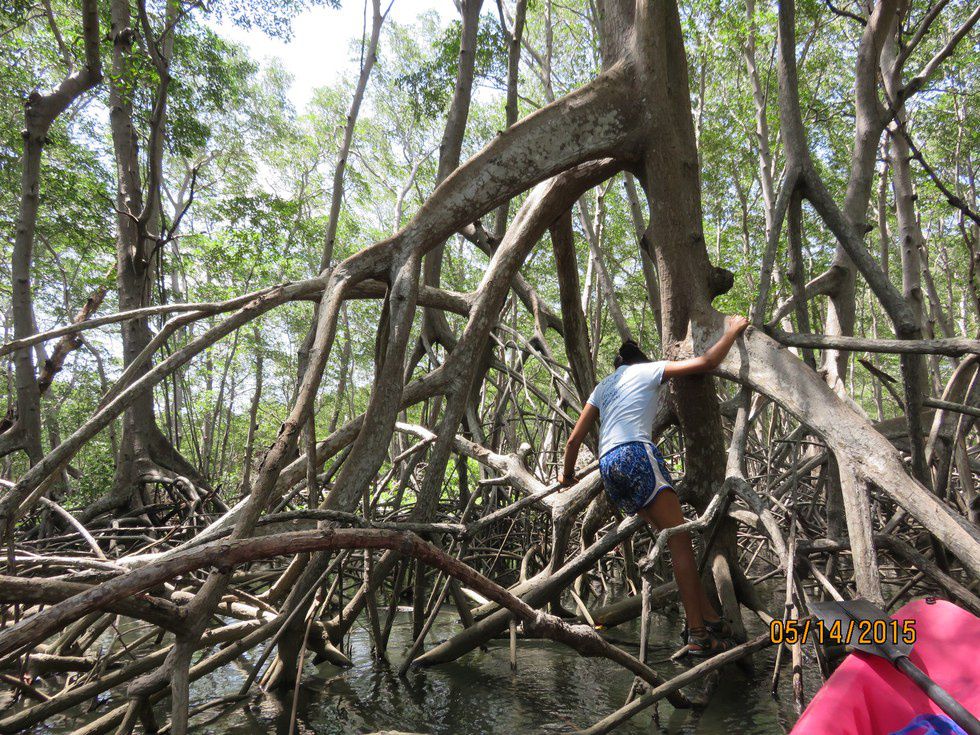
Some students spent their days snorkeling as they collected data about fish and octopus and eels. My friend, Jaclyn, and I kayaked every morning through the region’s mangroves. She dug in the mud for clams (pianguas – I’ll never forget that word!), while I cast makeshift nets into the water hoping to catch some of the fish living in the habitat. We all learned that collecting data was no easy task. I had to look in the mangrove’s crevices and exert myself chasing schools of fish in order to catch one or two. Jaclyn got stuck up to her knees in mud, many of us suffered sun burns, Ryan and Keith had to build fish tanks, Holly needed to entice eels into tubes, and Kim had to scare schools of fish and record their scattering behavior. It was all very hectic and exhausting, but we came out on the other side smiling and with some numbers to work with.
On the last night of our homestay adventure the ten of us went on a night snorkeling trip. We splashed into bioluminescent waters and swam among millions of tiny glowing stars. It was the most magical feeling in the world and I got to cross off an experience that I didn’t know was on my bucket list.
Our trip back to Monteverde was quiet. Thoughts of our new families ran through our minds and mingled with wonders of what the approaching backpacking trip would have in store for us. Everyone was reunited at our professor’s beautiful Monteverde home where the night brimmed with delicious food and fantastic stories. We were excited to see long lost friends (internet was hard to come by for everyone during these three weeks apart) and finally share our unique experiences. I remember the warmth that filled the room and the sense of reunion as people were hugging and laughing was overwhelmingly genuine. This was an aspect of studying abroad that I did not foresee, but I was overjoyed and thankful for it.
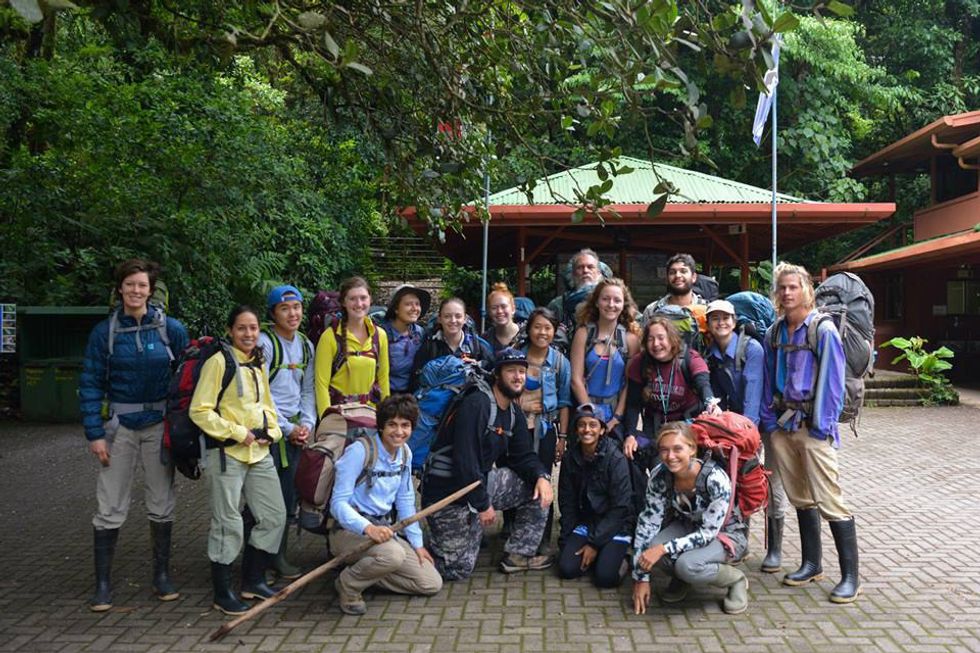
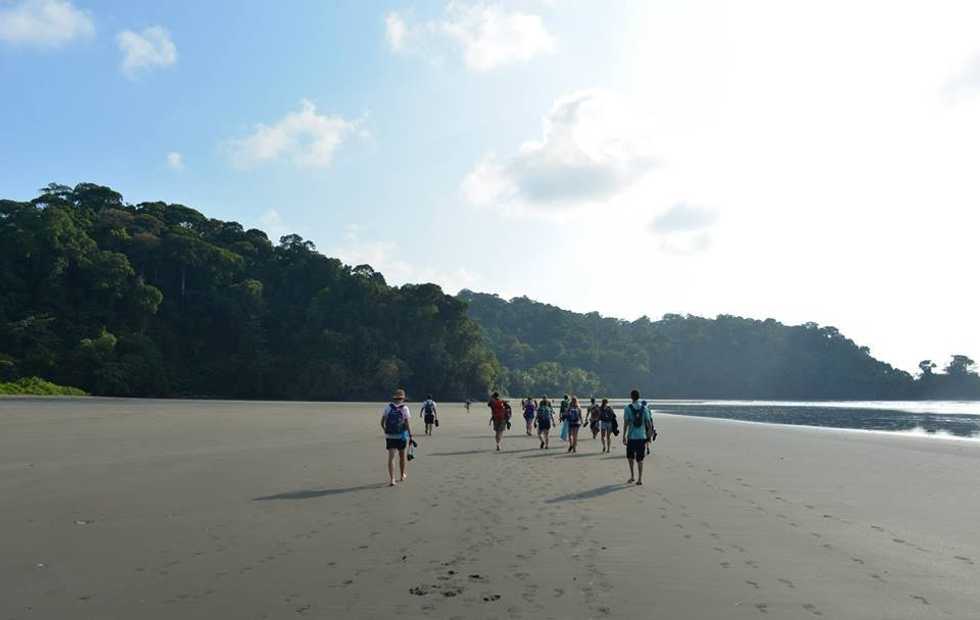
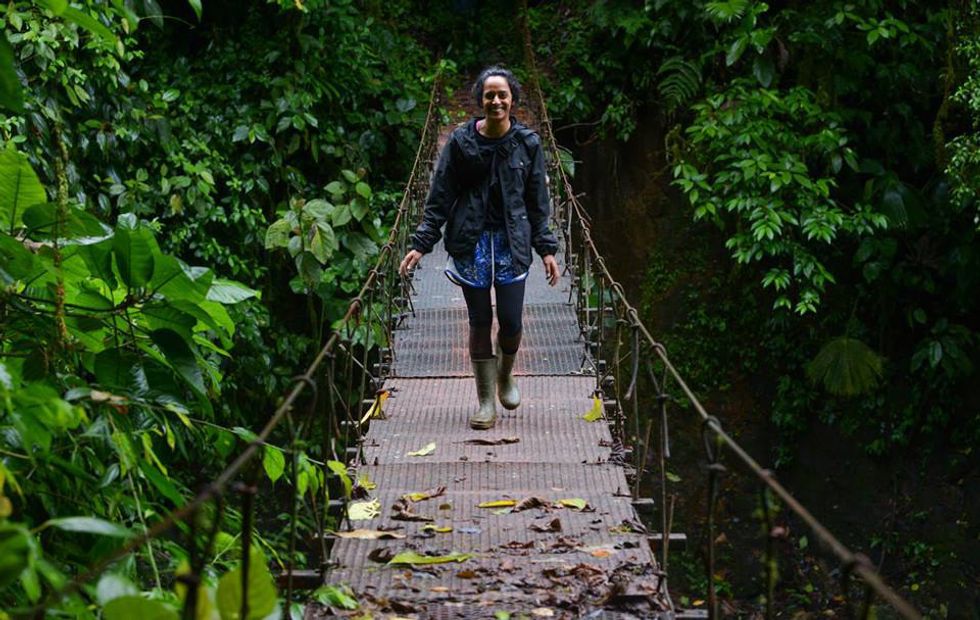
The second goodbye was a lot easier knowing we would be together again within a week. It was my half’s turn to venture into Peñas Blancas. We got a quick briefing at the trailhead and then were sent off to hike sixteen kilometers into the valley at our preferred pace. I love hiking, especially on rough terrain, but I was carrying a backpack almost as big as me, which made the hike challenging. I had to become accustomed to a new center of gravity and balance myself accordingly to avoid tumbles. Despite the extra weight, the hike was magnificent. I was in the shade of tropical plants among cloud forest animals. However, the splendor faded during the last mile when my knee began to ache with ever step downhill. I knew I would make it, but the desire to stop moving and the need to continue moving clashed heavily in me. When I finally reached the campsite I was rewarded with the satisfaction of taking off that giant backpack. It was blissful.
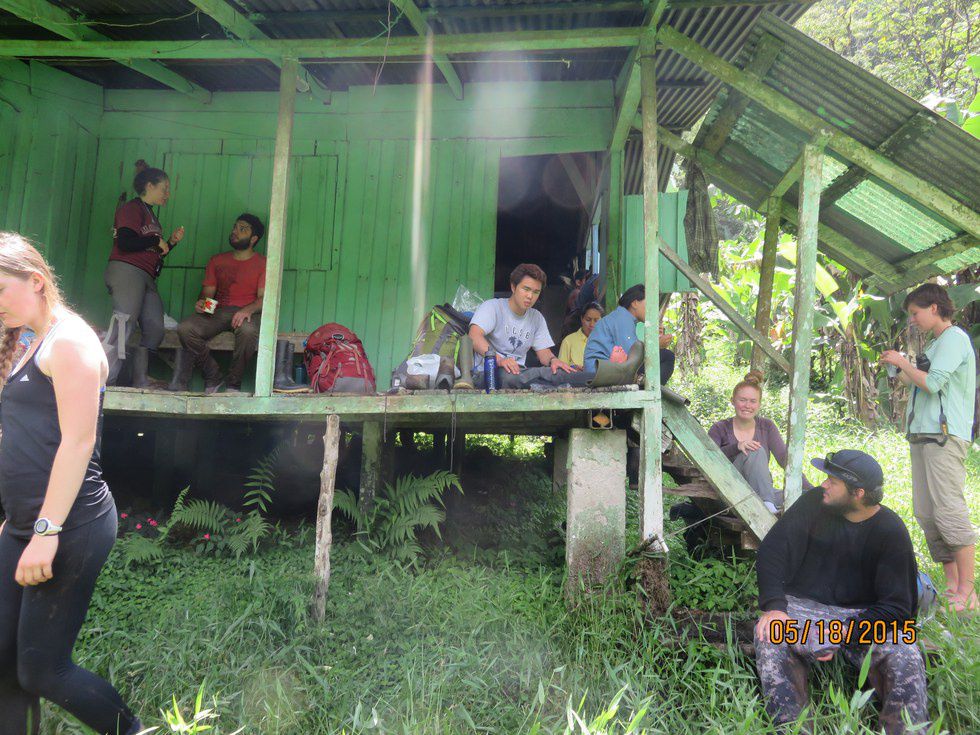
Peñas Blancas cannot be explained in a few short sentences. Everyone had their own experiences there and their own opinions of the trip, but what I can say overall is that it was tranquil. We were far removed from the world and in a space of pure natural peace. This was my first time backpacking and therefore my first time feeling this way, but I am sure avid backpackers who travel into remote places of beauty know this feeling in its entirety.
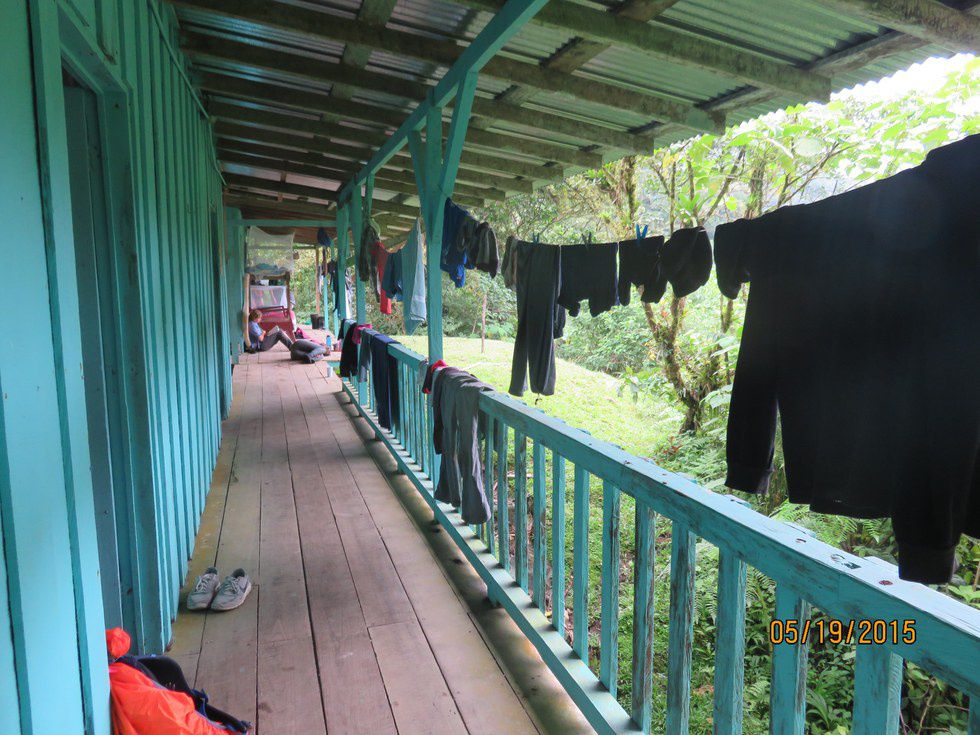
We had lecture in the forest as per usual and learned more about the native flora and fauna. One of our wonderful teacher’s, Eladio, who knew every plant in that forest, gave us stories and information about our wild surroundings. We hiked to the river and to a waterfall, we hiked at night in search of frogs and snakes and spiders. We were eaten alive by tabanid flies, and slept under mosquito nets to avoid an even worse insect, the Chagas bug. We drank pure stream water and gathered at night to play cards and share company. We searched for snails and even took a test; it was a poor attempt to resurrect academic life in the middle of the forest. We were avidly learning, but we were far past simply being a part of a class.
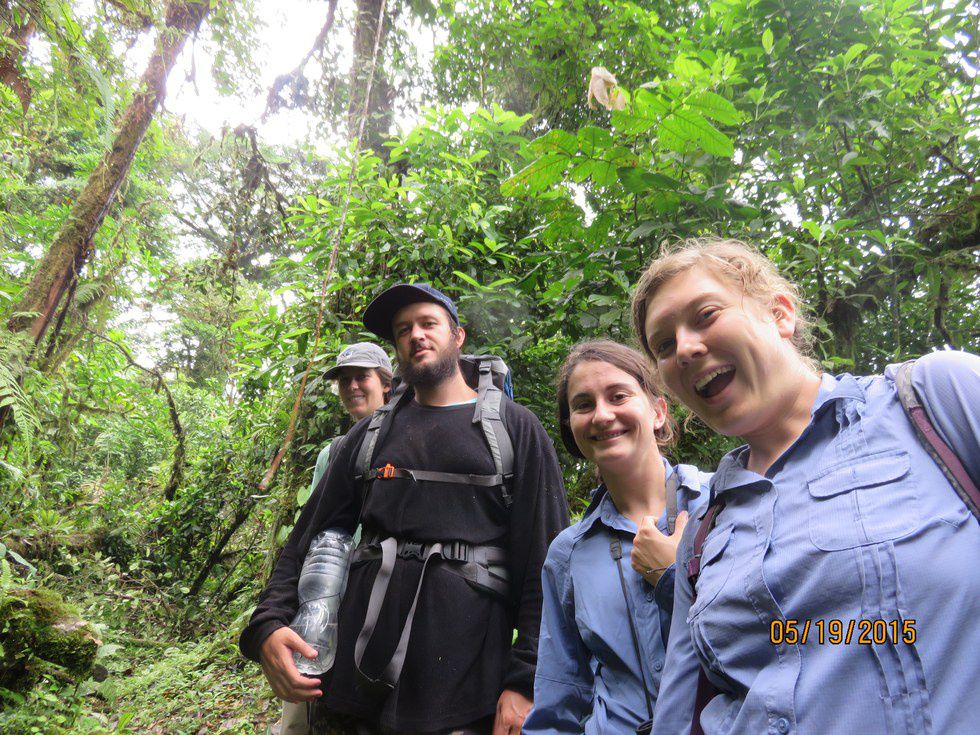
Too soon it seemed, we were trekking back out of the Peñas Blancas valley towards Monteverde where warm showers and finals awaited us. When I walked out of that valley, after five hours of traveling up hill, singing the same two lines in my head, and willing my legs to push forward, I knew it was one of my proudest accomplishments.
Everyone worked their tails off for the last few weeks to finish finals and prepare for their research project presentations. We held a symposium at the Monteverde Institute where the community was welcome to learn about our research. I was as proud as a mom when I saw how great everyone’s projects turned out and how beautifully they presented their work. It was rewarding to see everyone’s diligence and efforts manifest into a great piece of original work.Saying a final goodbye turned me into a sobbing mess. I was not prepared to leave this country and these people, but we all had to move on our separate ways; some continued traveling through Central America while others were ready to return to their homes. This is the only part of the trip I don’t eagerly recall.
A three part article and an entire journal still do not feel like enough pages to convey how incredible this trip was for me. I learned more about myself than I ever hoped to. I learned more about the world I live in and the daily lives of real people in it. I gained wonderful friendships and memories that live on through the words of my journal and 2000 photographs. I was reminded of why I chose the path of becoming a biologist, reinvigorated to continue on that path and reassured that I could be successful in reaching my goals.
Studying abroad, best decision ever? There’s no doubt!