As a non-athletic type (that is unless you count yoga) I rarely watch sports on TV. It’s not that I find them unappealing—when I stumble across a soccer match on TV my blood pressure definitely spikes a bit, and I could let Nascar play in the background all day—I’m just not the type to actively seek them out or pencil them in on my calendar like I would with the Great British Baking Show. I guess that shows you where my priorities are.
That beings said, the only time I regularly watch sports is during the Olympics, and this year was no exception. Over the 17 days of the Rio Olympics, I watched everything from white water kayaking and cycling, to volleyball and gymnastics, and as I was watching, I started to notice a trend in several of the sports.
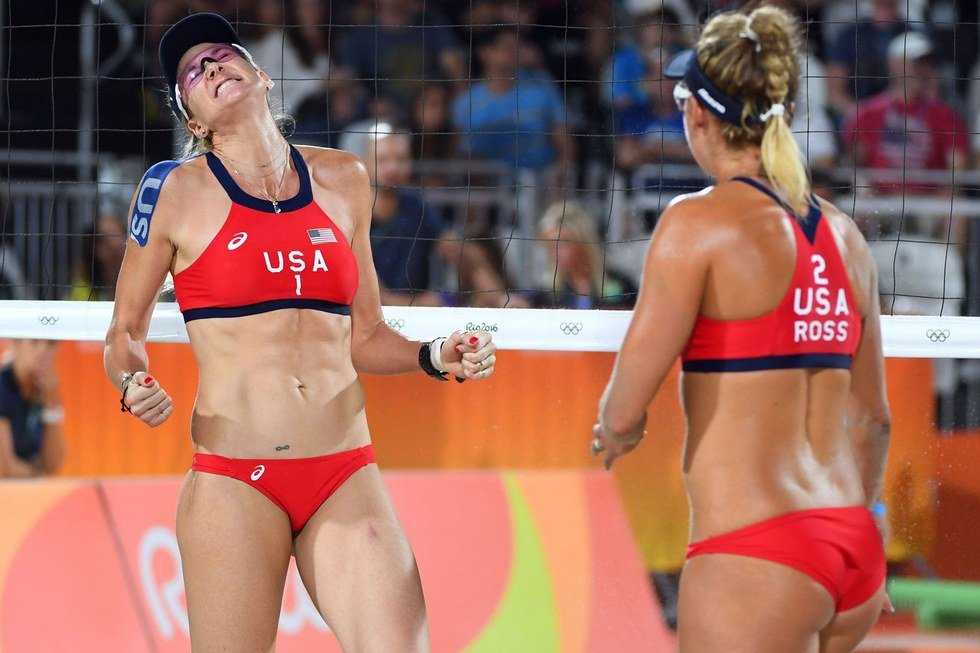
In beach volleyball, gymnastics, and track and field, the male and female athletes wear very different uniforms. In the cases of all three, the women wear much more revealing outfits—bikinis, leotards, compression shorts, and cropped tops—while the men wear much more covering outfits—shirts and board shorts, sleeveless leotards with pants or shorts, and form fitting one-piece body suits.
The difference in outfits has sparked some debate over whether the women are being sexualized with their skimpier outfits and if their uniforms should be changed to something less revealing. Let me first say that if any Olympic athlete is being sexualized, it is not because of their outfit or behavior—there is nothing sexy about the discomfort these athletes endure as they struggle to conquer gold in their respective sports—it is because of the perceptions of the viewer. In other words, it is not the athlete or the outfit that is sexualized, it is the media that is sexualizing them unfairly.
With that out of the way, the human physique is a truly amazing thing, and if there is ever a time to show it off, it would be at the Olympics, so personally I see nothing wrong with athletes being a little more scantily clad. There are also valid arguments for wearing less clothing. It provides less restrictions, better movement, and better comfort. In no way do I, or a majority of the female athletes out there, believe that the women’s uniforms are sexualized, and there are options for more full coverage uniforms in beach volleyball and track and field that allow women from more conservative religions to still participate in the sport.
So far, so good, right? Mostly. In the case of Olympic uniforms, the controversy shouldn’t really be over the women’s uniforms, since they technically have a choice of whether to wear the revealing uniforms or not, the controversy should be over the men’s uniforms.
In men’s beach volleyball, the athletes are not allowed to remove their shirts since that is where designers have put their team flag and number. Not only does this go against what beach volleyball says is the reason behind the uniforms, that they are supposed to reflect what is worn on the beach—and I mean, hello, it’s hard to go to a beach without seeing a shirtless guy—it also leads to male athletes suffering under the scorching sun during matches due to the fact that they cannot remove their shirts. Would it really be so hard to put some identifying information on the men’s shorts?
As someone who considers themselves a true feminist, it is my belief that the women of the Olympics should not be discouraged from wearing their revealing outfits—as they show that women can wear two pieces and show skin and be absolute beasts, not just sexual objects—just as they should not be discouraged from wearing the more conservative outfits. Essentially, by being allowed to choose how they present themselves, female Olympiads are helping to reclaim the female body as a piece of amazing physique that is not made to serve others.
Additionally, I believe that in order for true equality to be reached, male athletes should be given the option of wearing crop tops in track and field, ditching the footie pajama pants in gymnastics, and going shirtless in beach volleyball. Since wearing less clothing seems to be favored by athletes, it’s only right that these male athletes should have the same chance as their female counterparts to experience the freeing effects of less fabric.