
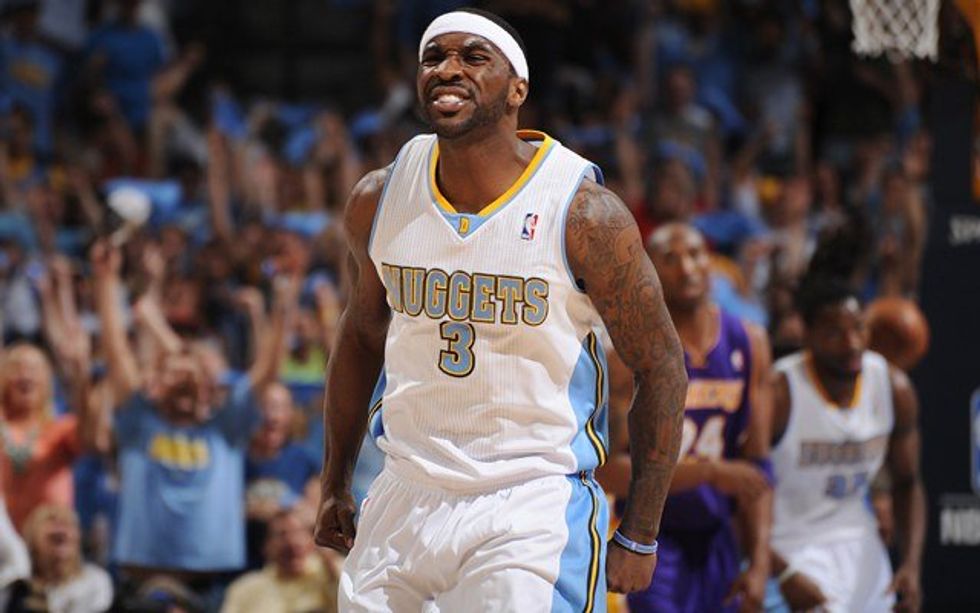
Ty Lawson is a fantastic point guard by just about any measure or metric. In his 2014-15 NBA campaign, the sixth of his career, he nearly averaged a double-double, posting 15 points and 9.6 assists per outing. Averaging 35 percent from three-point land (including a scorching 42 percent during home games), he's a dependable three-point shooter, a crafty ball handler, and effective at carving his way through traffic and finishing at the hoop. He excels in the pick and roll, a staple of modern-day NBA offenses. So why would the Denver Nuggets trade such a player to the Houston Rockets in exchange for seldom-used reserves Kostas Papanikolaou, Pablo Prigioni, Nick Johnson and Joey Dorsey (and a protected first-round pick)?
The Nuggets had no more room for Ty Lawson within their organization. They drafted a player with an arguably higher ceiling in Emmanuel Mudiay. Lawson has openly been at odds with the Nuggets' brass. He was arrested three days ago for a DUI and checked himself into a rehab facility this morning. All these things may be true; however, Ty Lawson's basketball talent is undeniable, Lawson's place on the Rockets' up-tempo offense is a good fit, and this trade makes the Rockets that much more imposing. Here's why:
Finally, Another Ball Handler for James Harden
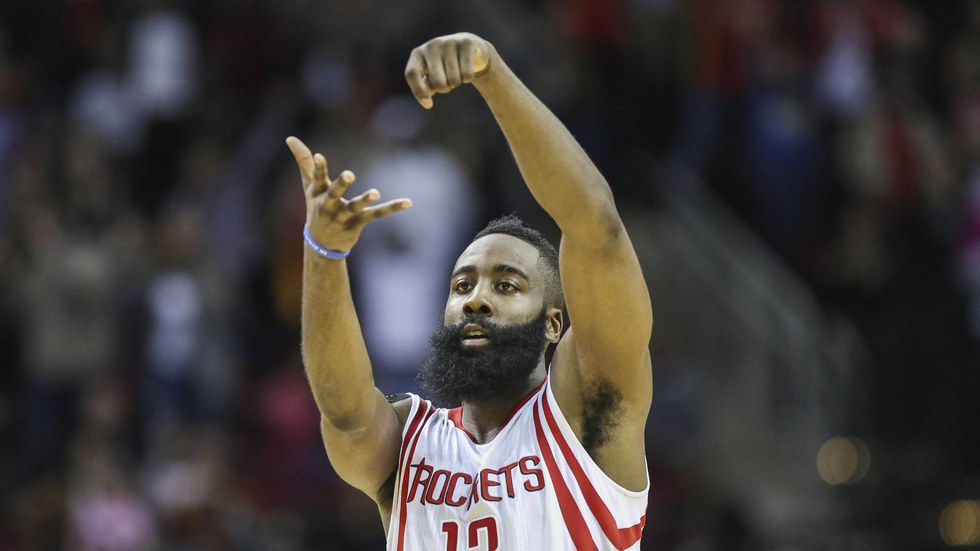
One of the Rockets' weaker positions was at point guard. Patrick Beverley, while a surely talented defender with a bulldog mentality, provided only occasional spot-up three-point shooting on the offensive end. Ty Lawson gives them both shooting and playmaking creativity. The Rockets' offense is largely based around James Harden and the reads he makes. When Harden passed the ball to Beverley in a play involving springing him open for an open three-point shot, one of two things would happen: Either Beverley was going to make the shot, or Beverley was going to miss the shot. But Patrick Beverley was going to shoot the ball either way, regardless of if there was, perhaps, a better opportunity revealing itself. This is not to call Beverley a selfish scorer by any means; he's far from it. Beverley simply doesn't possess the raw court vision Lawson has, limiting his effectiveness on creating plays for others. Lawson opens up more options for both Harden and the Rocket's offense as a whole.
This past season, Lawson shot 34.7 percent on above the break three-pointers. That's not too shabby at all. But the Rockets' offense is highly centered upon finding open-corner three-point shooters. Ty Lawson averaged 40 percent on these. More importantly, Lawson shot 61.9 percent on assisted 3-pointers, which will be a steady part of his offensive diet. Should the shot not be the best possible option, Lawson's creativity off the dribble creates more opportunities for the Rockets, as his 9.6 assists per game suggest a highly developed sense of when to make the right pass. Some of those passes will undoubtedly create more efficient chances for superstar scoring machine James Harden, a daunting prospect for any defense. Some of these will create easy opportunities in the lane for the still physically-overwhelming Dwight Howard (and his 66 percent shooting in the paint.) The possibilities are tantalizing, causing a pick-your-poison scenario for opposing defenses.
Strengthening the Reserves
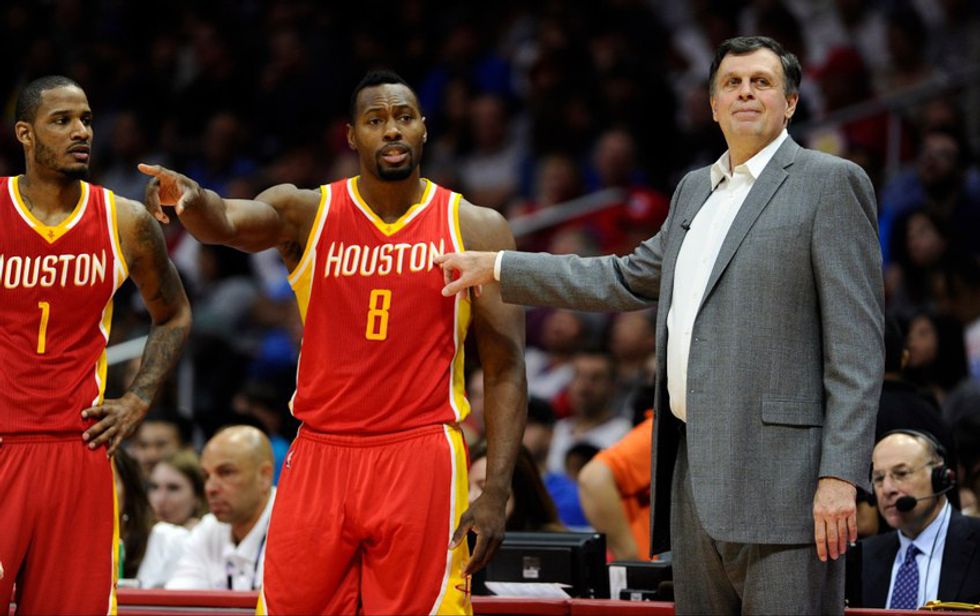
The Rockets' bench is now a balanced and effective lineup. The back court will have a clean mix of offense and defense, featuring All-Defensive Team candidate Patrick Beverley and with Marcus "Baby Buckets" Thornton providing perimeter scoring. The front court could have a very versatile mix of players to choose from (matchup dependent), consisting of stalwarts like Corey Brewer and Donatas Motiejunas but also including young talent in the forms of Sam Dekker, Clint Capela, Montrezl Harrell and K.J. McDaniels; all gifted players in their own right. The vast differences between what each player can bring to the table is going to give Kevin McHale a real glut of options, especially now that his bench consists of players capable of marvelous play in short stints.
The Rest of the West
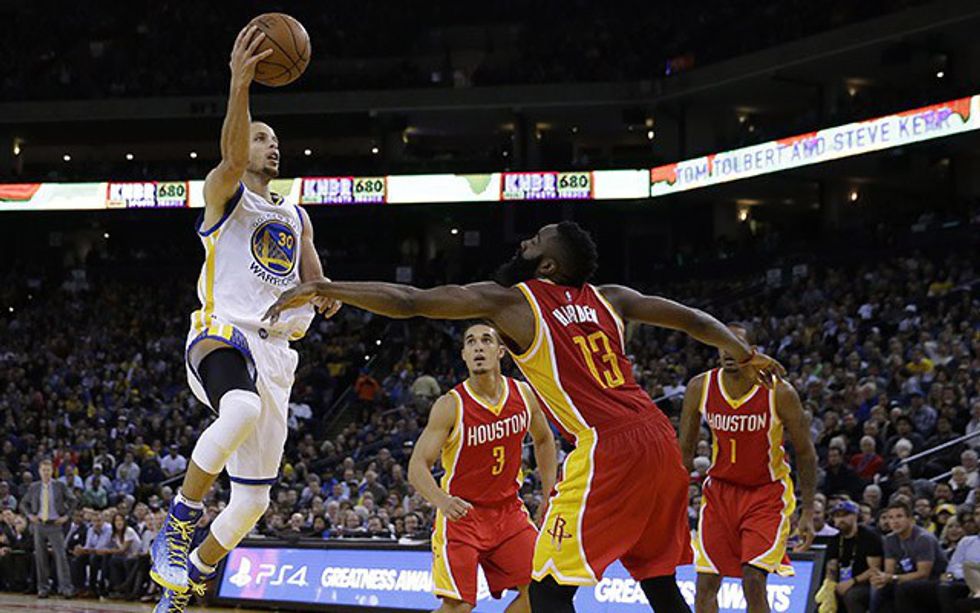
The Western Conference has been stronger than the Eastern Conference for over a decade now. The Spurs improved with their signing of LaMarcus Aldridge. The Clippers retained DeAndre Jordan and acquired Lance Stephenson, Paul Pierce and Josh Smith. The Pelicans hired offensive mastermind Alvin Gentry, and the Warriors are still the defending champion and the league-leader-in-wins juggernaut. The top of the West improved, and the Rockets continued right along with them. The Western Conference semifinals alone consist fully of teams that, more likely than not, will overwhelm any Eastern Conference challenger. The fun is just beginning.