
“You cannot merely expect culture to be a natural occurrence; it has to be taught and made a part of your everyday routine.”-Mike Krzyzewski
Are you a tweeter? If not, prepare to be soon. Just as individuals once rushed to open email accounts or create a Facebook, now people from all walks of life are registering on Twitter at a fearsome rate. Oh, the world of Twitter. Magical for some. Mysterious for others. Even treacherous at times. Since its launch in July 2006, Twitter has simply taken the world by storm.
For better or for worse, today’s society is wholly dominated by the use of technology and social media. In 2016, 78 percent of U.S. Americans had a social network profile (Statista). A staggering amount, surely. Individuals of all ages own smartphones. Don’t believe me? The next time you’re with your grandparents, ask them the time, and watch as they pull out their smartphones to check. Watches are slowly going extinct. Flip phones are few and far between. And not to mention,“lame.” To be deemed “cool,” you must own a $200 cell phone. Smartphones truly are revolutionary. Their capabilities are endless. They provide individuals with the ability to stay connected to friends and family through social networking sites. Many people use these phones in place of a computer. Amazing advances in science and technology have paved the way for such activity to occur. However, the younger generation has been greatly affected by this influx of new technology. And, of course, with the new technology came the social networking sites. Everything and anything individuals do nowadays is immediately uploaded to their Snapchat story. If you want to know what someone is doing/where they are, don’t bother sending them a text message or calling. Just check their Snapchat; Usually does the job. Pictures of said “daily adventures” are later updated to Instagram. This is only after the photo has been edited or “filtered” multiple times, and does not resemble the original picture in the least bit. Twitter, a micro-blogging site, is perhaps the worst of all. Thoughts must be shortened to a maximum of 140 characters. These thoughts are referred to as “tweets” and are the foundation of Twitter. And that’s only the beginning.
We live in a world in which face-to-face communication is sparse, that’s for sure. Twitter has become an outlet for conversations to take place, without the real life interaction, though. The infamous “Favorite for a DM” picture has completely taken over the Twitosphere. Teenagers use it frequently. There are even some users out there that will tweet the picture each and every day, to the detestation of their followers. From my personal experience, it seems as if this one picture is the only way for some individuals to engage in conversation with others. Oh, how far we’ve come. Basically, you click the “favorite” (now “like”) button on a person’s tweet. It notifies them once you do so, and they are then supposed to send a message to you in which their “honest opinion” about you is expressed. Personally, I’ve seen some of these tweets receive upwards of 130 likes. Everybody seems to care about what others think of them. In my opinion, it’s a pretty stupid tradition; hardly any users ever put any real thought into the message. Most times, it’s something as a simple as “You’re chill. We should hangout soon.” And even though the message is so silly in nature, people still salivate over the tweet. Just the world we live in, I suppose. 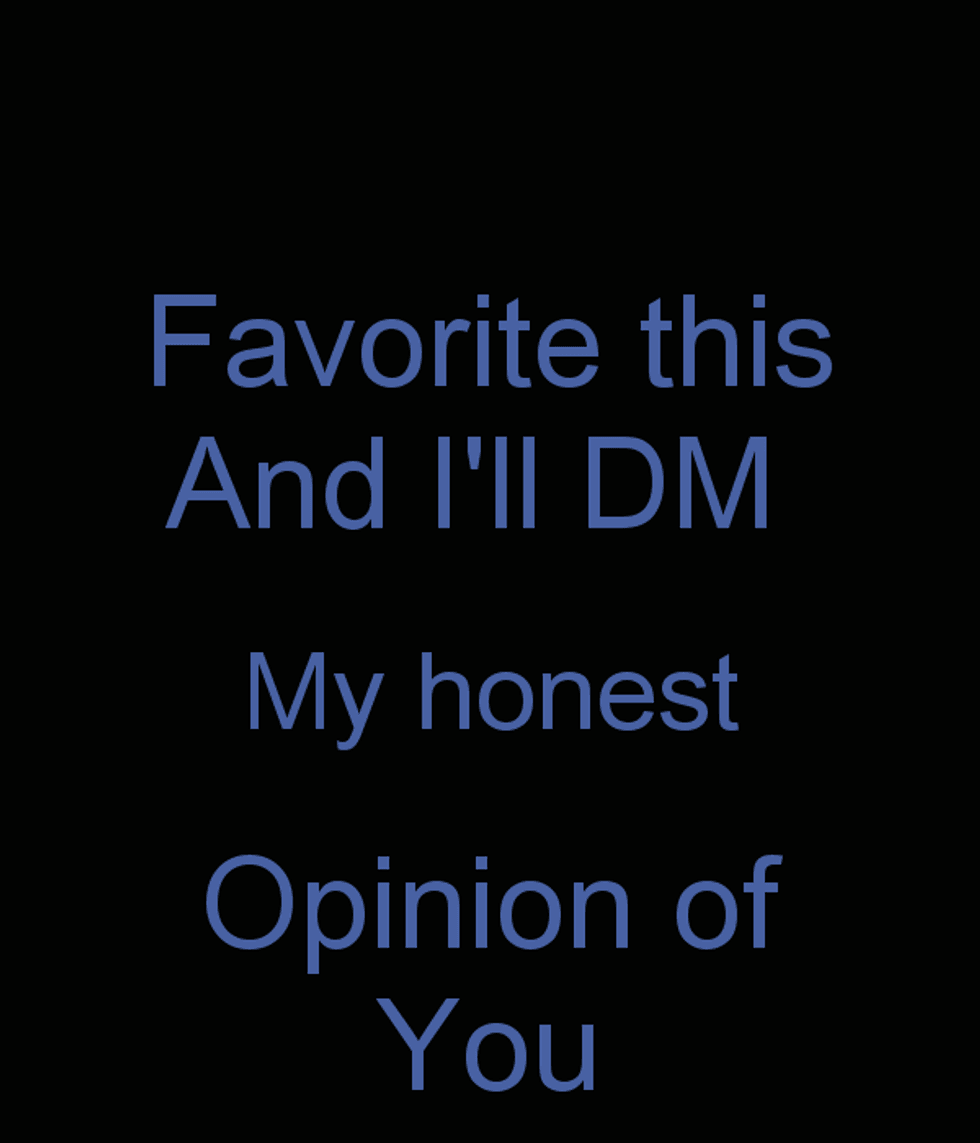
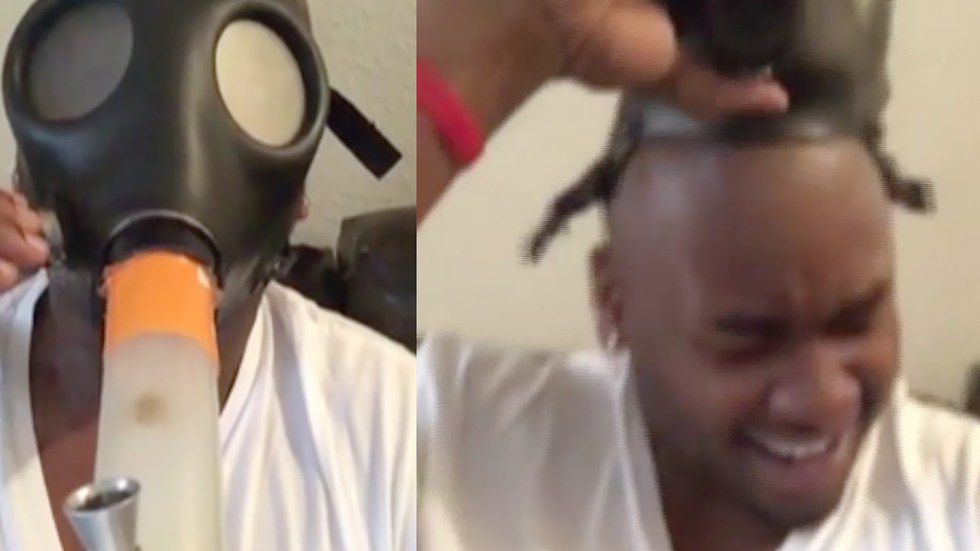
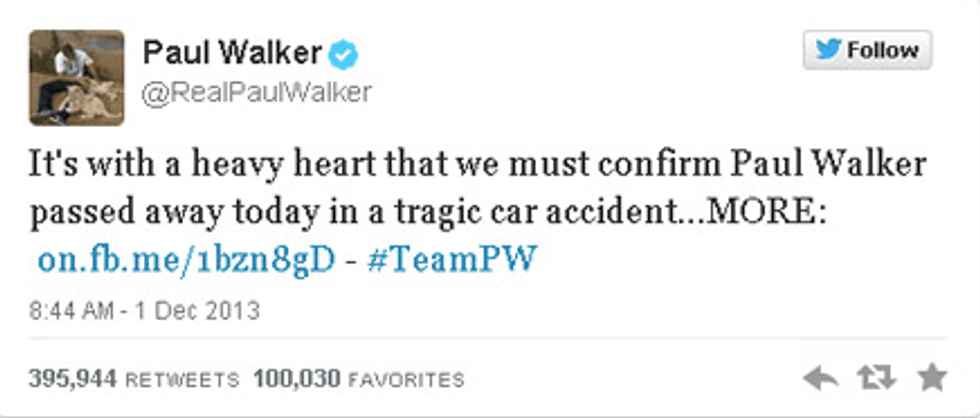
“Twitter fights” have become very popular as well. They are nothing more than two individuals –– sometimes more –– arguing about something that typically is very trivial. However, from my personal experience alone, a lot of users seem to enjoy partaking in them. It’s quite sad, actually. People enjoy hiding behind a screen and saying things they’d never dare say in person. It serves to give these people an alter-ego, in a sense. Rather than settle the dispute in person and as “adults,” they take to the Twitosphere and let everyone in on the argument. In doing so, these individuals often expose things that otherwise should’ve been kept secret. And these items are now at the viewing pleasure of the entire Twitter community. Some people have lost careers at the hands of Twitter fights. One click of a button can truly change your life overnight. Just ask Laremy Tunsil, an offensive tackle from the University of Mississippi. As CNN put it, “It's turning out to be a very expensive bong hit –– and a harsh reminder of the perils of social –– for Laremy Tunsil” (CNN). Just minutes before the NFL draft, a video surfaced of Tunsil smoking marijuana through a gas mask. An early favorite to be selected first overall, Tunsil ultimately slipped to the thirteenth pick. It is estimated that he will sign for $13 million less than Jared Goff, the first overall pick. This is just one example. Users must be very careful about what they put online, because it never goes away once it’s up there. Twitter can be very dangerous, it’s clear. There is no merit in fighting on Twitter. Nothing is accomplished. Unnecessary problems are created for, more often than not, the sole purpose of gaining attention. There are several better ways to solve problems, that’s for sure. Don’t be the person with a reputation for starting/being in Twitter fights. Unless you enjoy having the whole community grab their popcorn and gathering ‘round to see you and another user duel it out.
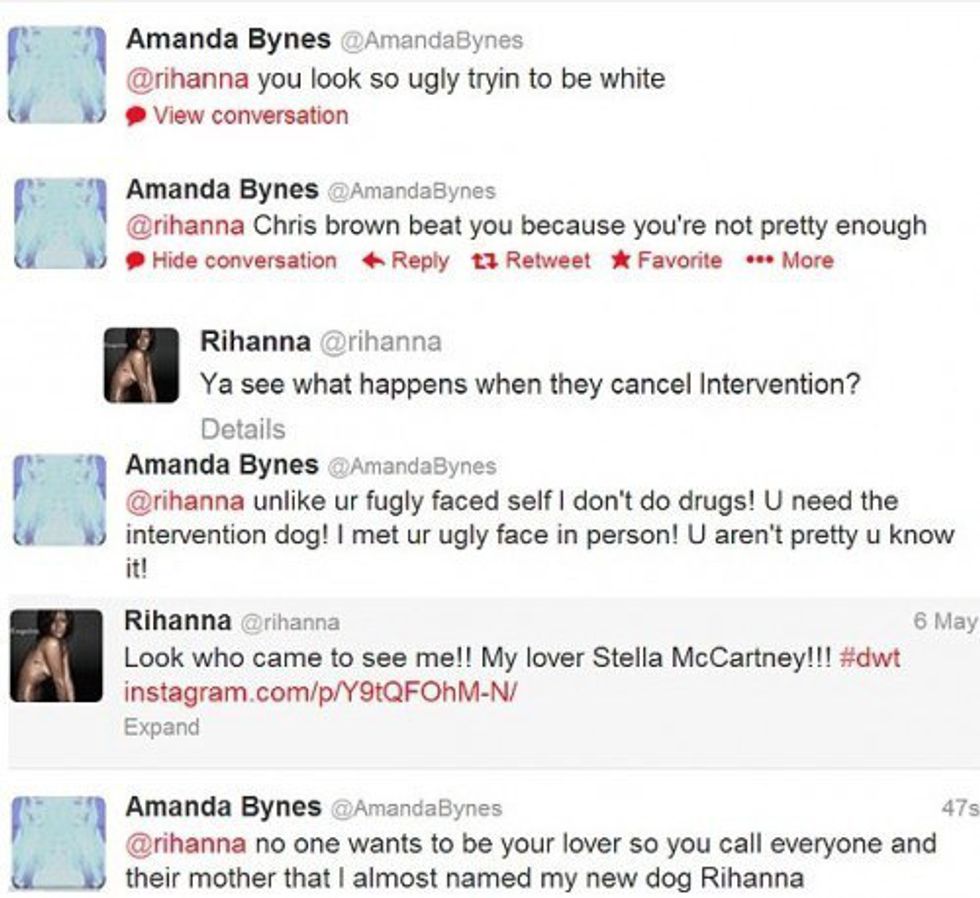
Cyberbullying, along with Twitter fights, is one of the few negative features of Twitter. Be careful, because it’s not very hard for bullies to harass/abuse others. Literally all you have to do is click on something that’s currently trending or receiving negative feedback in the news and you’ll see massive amounts of profanity, bullying and threats. Cyber bullies typically create fake accounts to launch their bullying cyber-attacks against people they do not like or disagree with. However, there are also many people who use their own personal accounts to be abusive to others. According to a 2011 study conducted by the University of Wisconsin-Madison, there were about 15,000 abusive tweets per hour at the time. (The Huffington Post). According to the Bureau of Justice Statistics, US Department of Health and Human Services, Cyberbullying Research Center, as of the year 2013, 52% of teens had reported being cyberbullied. (The Huffington Post). On August 4, 2013, people from all over the world came together in an effort to shut down Twitter following countless threats of violence towards women. “Women and men alike demanded that Twitter make it more difficult for cyber bullies to launch attacks and to report them if they do.” (The Huffington Post)
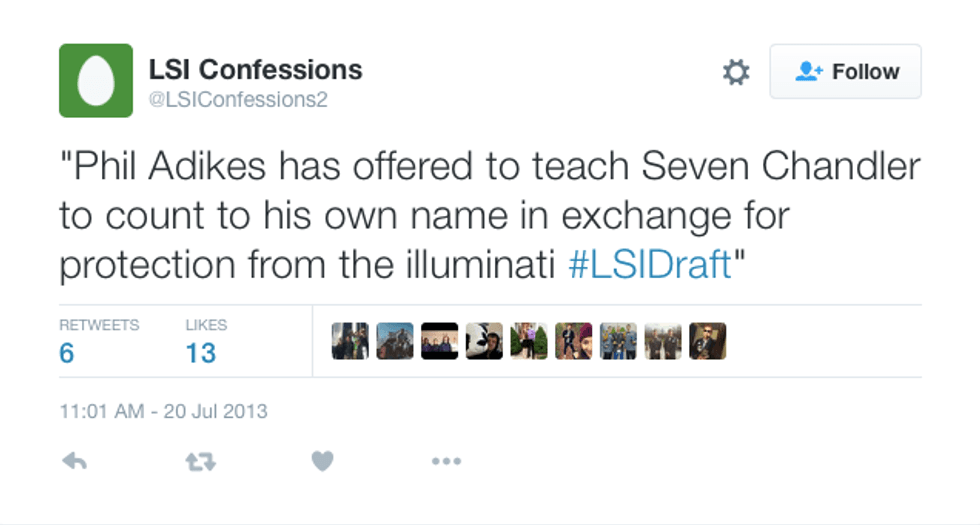
If (and when) you join Twitter, prepare to be swamped by “subtweets.” Subtweets, or “indirects,” occur when an individual tweets something controversial about a person, but doesn’t actually reference that person’s profile. To reference another user’s profile, you must click the “@” button and type in their handle, or username. As a result, people who feel they are being indirected will respond to the tweet with the phrase “@ me.” It has become a staple of Twitter vernacular. Typically, subtweets are very vague. However, the person who is being indirected will almost always know that they are the subject of the tweet. Subtweets are rather annoying to see, but they represent a way to tell someone off publicly without the messy confrontation. For that, subtweets can stay.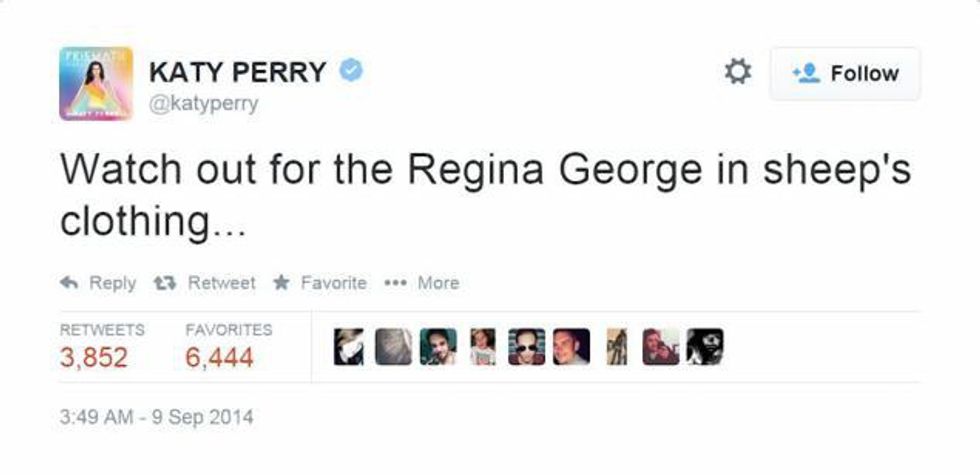 Simply put, a hashtag is a way for people to quickly search for tweets about a particular topic. Hashtags are very similar to hyperlinks on Microsoft Word and Powerpoint. Users just need to click on the hashtag to gain access to conversations on a specific subject matter. The most popular hashtags show up on the “trending” page. The NBA has made great use out of hashtags. Kobe Bryant, who will go down as one of the greatest players to ever play the game of basketball, played his final game just a few weeks ago on April 13. The entire 2015-16 NBA season was a celebration of his legendary career. Nike announced that it would be honoring their long-time athlete with "Mamba Day" on that day. "Mamba Day" would be a reminder of all of the incredible things the “Black Mamba” accomplished over the course of his career, and ultimately was a fitting send-off to one of the all-time greats. Many of the game’s best took to Twitter to pay homage to Bryant. Twitter created the hashtag #MambaDay to commemorate Kobe. They even included one of his most popular shoes at the end of the hashtag. Only fitting for one of the best to ever do it (no pun intended).
 “Gifs,” by definition, are “A lossless format for image files that supports both animated and static images.” Sometimes all it takes is one funny gif to brighten up my day. Twitter officially added a “gif keyboard” in February 2016. The addition has pushed users to communicate using the Internet’s favorite language. It is a keyboard unlike all others. There are no letters or numbers. Just gifs. Basically, you search for the gif you want, click on it and then hit “tweet”. The gif keyboard has everything from cute dogs to Michael Scott’s (The Office) catchphrases. Individuals typically use gifs to help strengthen a point or to spice up a conversation with some humor. Should you choose to use them, you’ll be sure to leave everyone satisfied and smiling––that’s what she said!
You can’t talk about Twitter without talking about “retweets.” A retweet is a reposted/forwarded message. The feature helps you and others quickly share a particular tweet with all of your followers. Retweets look like normal tweets with the author's name and username next to it, but are distinguished by the retweet icon and the name of the user who retweeted the tweet. I personally love retweets. Without them, I’d miss out on a lot of great laughs and never would’ve known that the voice actors of Mickey and Minnie Mouse are actually married in real life. Or that the dinosaur noises in Jurassic Park were made from recordings of tortoises having sex. I mean, seriously? You can’t make this stuff up. How did I live before without knowing these things? I guess I have Twitter to thank for that. Twitter and its retweet feature, that is. 
Formerly known as “favorites,” “likes” are shown by a tiny heart icon under the tweet. When you mark a tweet as a like, the original tweeter will be notified that someone liked their post. You can also save the tweet for future use or browsing. There was actually some controversy after the name change. Users had come to know and love the term “favorite.” Some people would compete to see who could get the most favorites on their respective tweets. That competition is virtually non-existent now. There is no pride associated with likes. And only Twitter is to blame for that. As Jordan Belfort put it in The Wolf of Wall Street, “What a Greek tragedy!” Oh, sarcasm. Expect to see a lot of that on Twitter, too.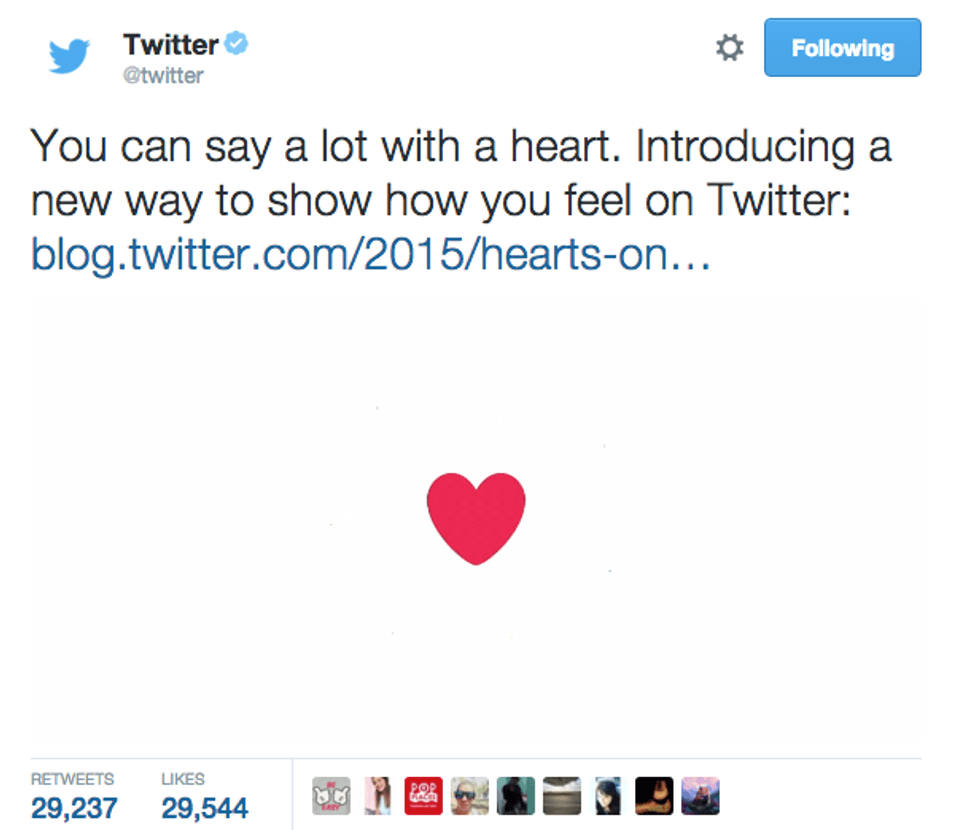
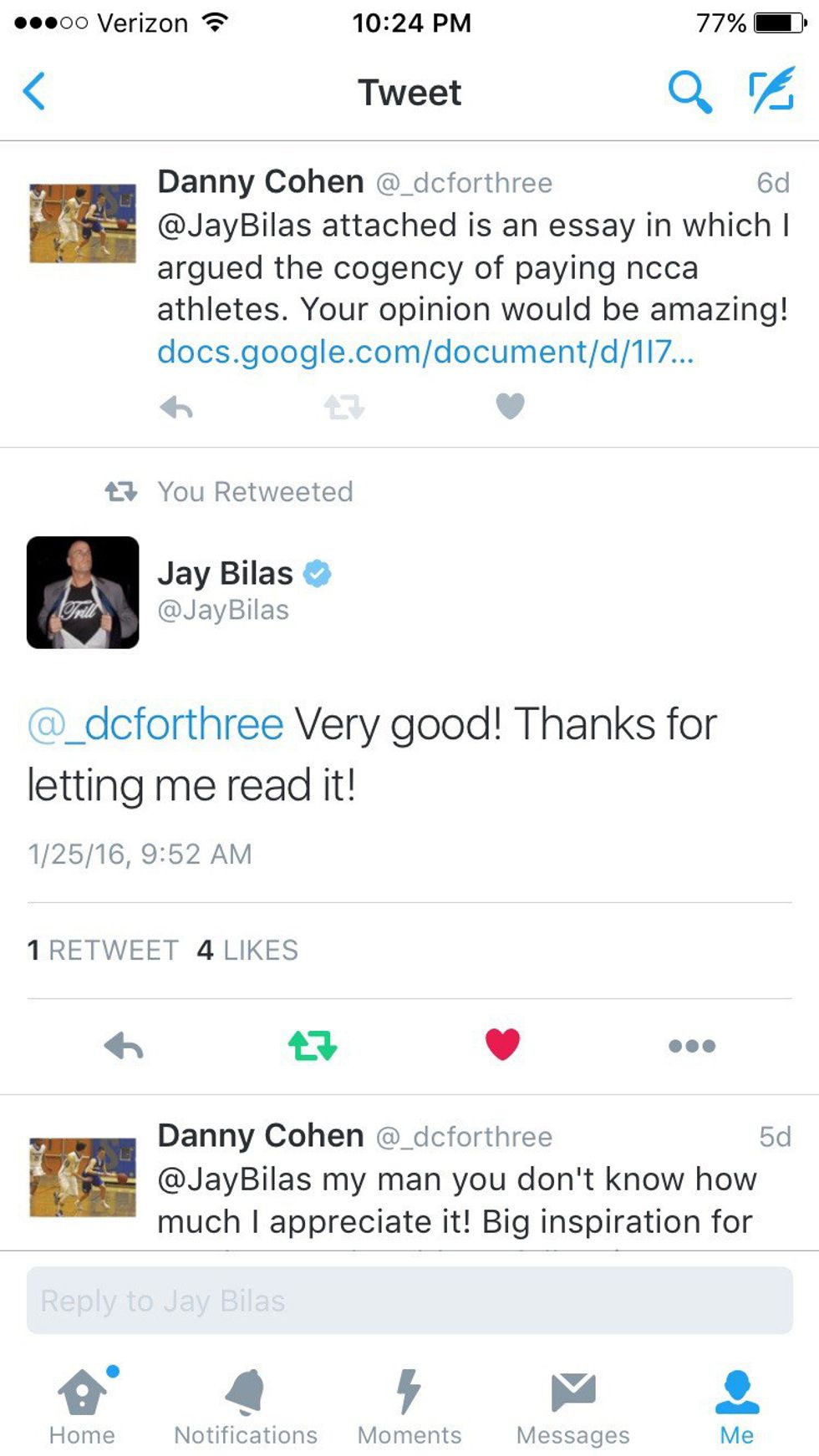
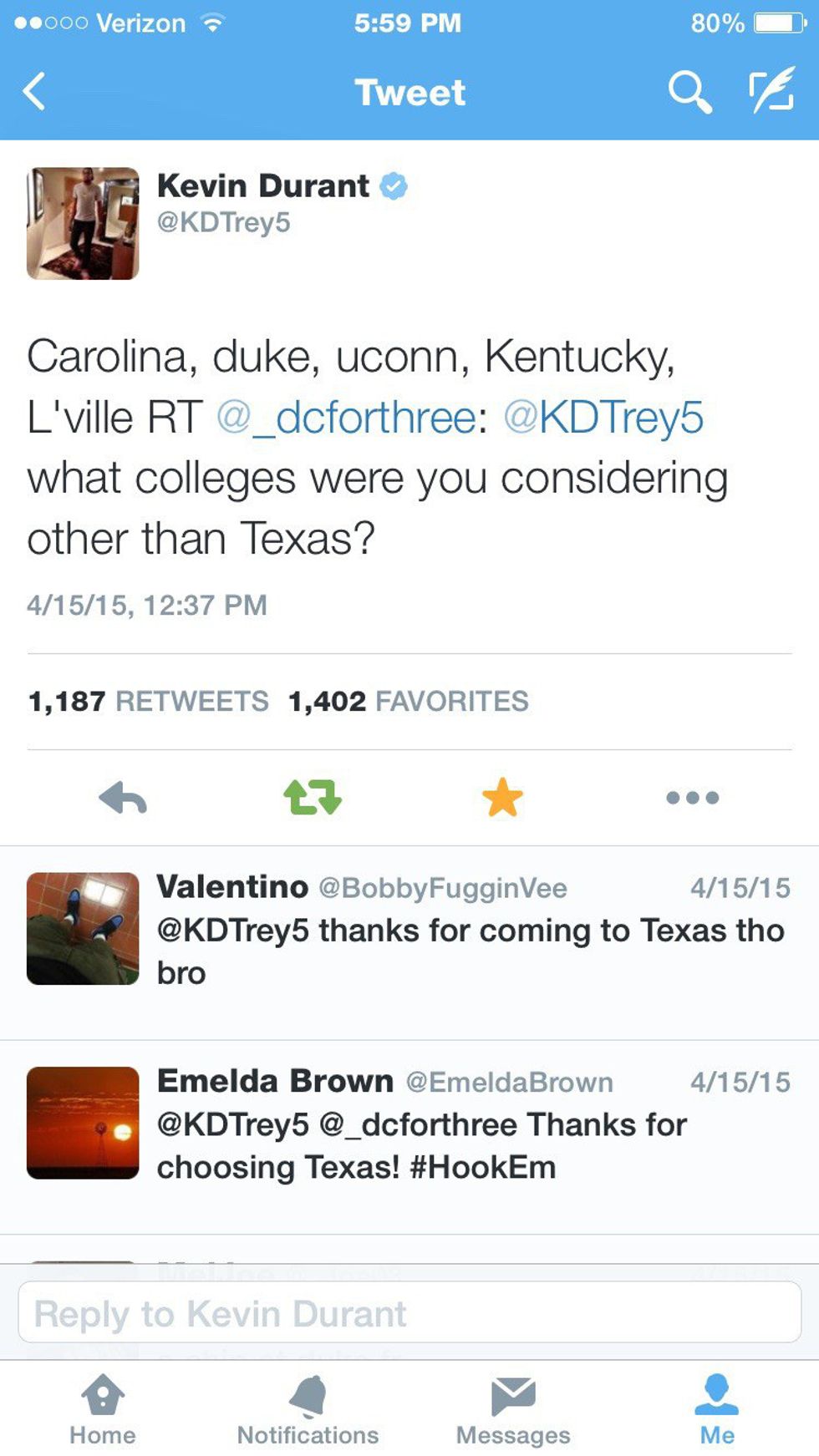
A feature unique to Twitter is the special connection fans feel with their favorite celebrities. It is fairly easy for the general public to engage in conversation with superstar athletes and movie stars. Personally, I have found great success with this. Jay Bilas, a college basketball analyst for ESPN and former star at Duke University, and Jimmer Fredette, former NCAA player of the year and Division I scoring leader, perused one of my English papers and actually gave me some feedback! Kevin Durant, one of the top players in the NBA currently, answered a question of mine while he was doing a Q&A (question and answer) on Twitter. Tim Tebow (NFL), Dajuan Coleman (Syracuse), Dion Waiters (NBA) and Michael Carter-Williams (NBA) have all retweeted me, as well. Yeah, I know. I’m kind of a big deal. Try it for yourself!
The emergence of social media in recent years has led to a substantial decline in face-to-face communication among people of all ages. Facebook, Twitter, and texting have become the preferred forms of communication. Now that these resources are readily available, we can communicate with people all over the globe at the touch of a button. Computer-mediated communication (CMC), or human communication that occurs through the use of two or more electronic devices, has allowed people to change the way they interact with each other from face-to-face communication into text-based media. Prior to today’s technology, people developed relationships through face-to-face communication. Social media has destroyed the true meaning of human interaction. And sadly, the lives of some individuals revolves around it. These people literally cannot live without their smartphones. Some schools allow students to carry their phones with them during the day, to the intense dislike of educators. One teacher said, “The texting, tweeting, and Snapchatting during class time are an incredible distraction, and makes it much more difficult to teach. It’s pretty hard to compete with a very funny YouTube video.” (Matchan) Not only does it distract the student using the phone, but it distracts other students and the teacher as well. Not a good recipe for success, by any means. As Linda Matchan, the author, said, “Some maintain that smartphones and other devices in schools are crucial to being competitive in a global market, while others insist that phones and tablets distract students, compromising their ability to learn and focus.”
Twitter, initially, was just another social network. Today, the micro-blogging site serves as the premier social media outlet. A stream of one hundred-and-forty-character tweets is how you find the most crucial, critical, and thought-provoking stories of the moment. You heard Prince died? Well, don’t bother waiting for the paper to come or for the 6:00 news. Just pull out your smartphone, open the Twitter app and immerse yourself into the conversation. Twitter provides an unedited, unscripted look into the ever-changing world. You’ll be fully exposed to the good, and the bad––which is how it should be. So go, create an account. Experience it for yourself. The Twitsophere is waiting. And just remember, Twitter is what you make of it.