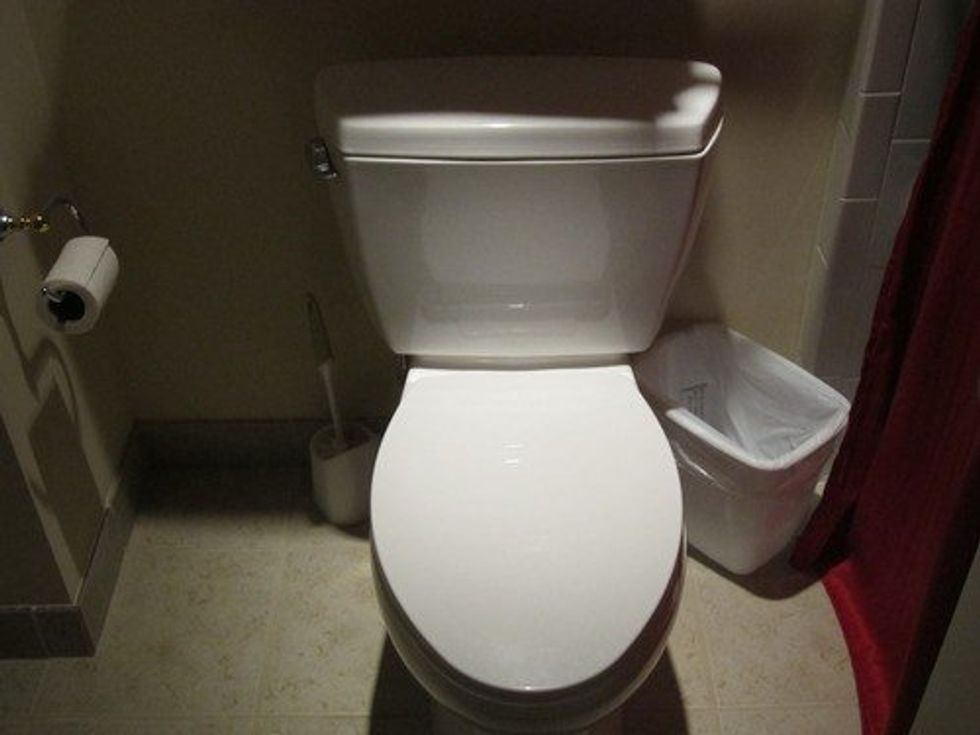
It's 12 a.m. and you find yourself sitting over the porcelain rim of your toilet bowl. You have tears streaming down your face mixing with a combination of mucus, spit, and the Chipotle you ate two hours ago. An "I promised myself I wouldn't do this again" is echoing in your mind. "Just this once" is on repeat. As you flush away your regret, your mom is knocking on the door asking if everything is alright. Through your burning throat, you tell her you just have a stomach ache, but it's so much more than that. It's more than that night. It's the last eight months of your life. It's your reality.
You're weakly pulling yourself up to the sink, trying to avoid seeing exactly what you know is there in the mirror. A shell of a person, a person you don't want to see. A person you don't want to be. A person that you aren't.
This was my life just a few months ago and I hope it never comes to that again.
I never really understood the pain of an eating disorder until I went through it myself. I hope that nobody has to go down that path, ever, but it's an extremely sad reality that 30 million people in the United States face at some stage in their lives.
Bulimia Nervosa took hold of me. I was a victim of an addiction to purging just about anything I ate, in whatever quantity. It didn't matter if it was healthy, my only meal for the day or where I was. If it was inside me I wanted it out as quickly as it entered.

I had been worried about my weight for just about as long as I can remember. There was a constant comparison in my head to those around me; a comparison I didn't want to make but couldn't seem to help. I could be sitting with my friends in the car trying to push away my thighs from bulging out on the seat because, wow, I wish mine were as thin as theirs. It was attempting to tuck in my stomach into the waist of my underwear because "What if someone figures out I'm fat?" It was not being able to be comfortably intimate with someone because they can reach into my shirt at any minute, feel soft flesh and ultimately lose interest in me.
These are things that most people don't care about. These are things I would never view other people by, because everyone I see is beautiful and deserves to be comfortable in their own body. These are things that are superficial, so far away from dictating how I could ever possibly feel about another person.
Though in myself, it seemed these didn't apply. In myself, I saw a grotesque overweight monster who should be ashamed of who they were and how they had come to be.
It seems that not everyone pushes these aside. Media makes money off of the insecurities of their audience.They promote a hypermasculine ideal; you have to be sexy, toned and have lines in all the right places in order to be attractive. If you don't match up, you wonder why your body can't be like those they are selling you in magazines, movies, on tv, in commercials and just about everywhere else in your life.
You're sitting in your eighth grade class at 13 years old, before your body has even undergone many of the changes of puberty, asking yourself how your closest friends can seem to eat whatever they want and stay thin and you can't. You're standing in a dressing room sophomore year at 15, grabbing at your sides and wondering why you'll never be able to fit into the clothes you so desperately want to wear and look good in. You're pacing back and forth in front of a toilet in the bathroom at school, 17 and a senior, wondering if you can purge your lunch and go to math class without anyone knowing. You don't know how you got to that point and you don't know how you'll be able to stop. The constant influx of negative thoughts seems to follow you wherever you go.

These are just my experiences. Each and every person and their individual struggles is different. Women carry the burden of living in a culture that will them if they aren't skinny they aren't beautiful, and then that being skinny doesn't really mean much anyway. They also have to be flawless. They have to be docile. They have to dress appropriately but not prudishly. They have to micromanage every facet of their appearance and behavior to fulfill a sexist ideal that shouldn't exist. Men's standards are less strict and are many times in place to enforce more rigorous reinforcement of those for women, but in the end, both are extremely damaging ideals that lead to psychological issues among both genders.
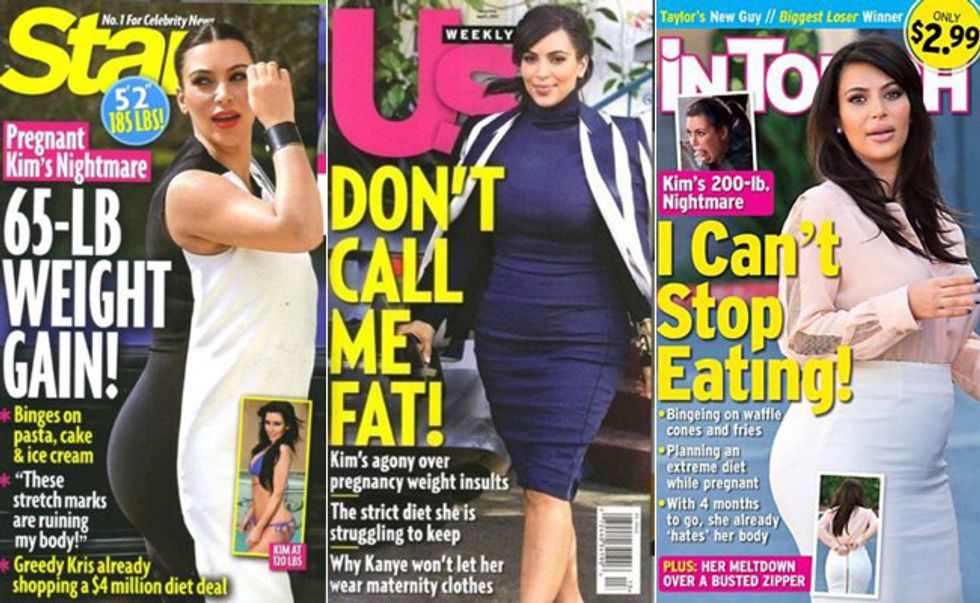
I certainly did not want to find myself still at battle with almost every meal, tentatively picking an option that I'll feel least guilty about. I don't want to continue to be anxious going to holiday gatherings with an abundance of food, determining if I can be strong enough to get through the ordeal and enjoy myself. I don't want to look at every face at the table while I take a bite of my food, wondering if they're silently judging me for eating anything at all.
To see how far I have come to be comfortable in my own skin would be unfathomable to my past self. To be able to start to view myself as attractive without covering up and hiding away is life changing. I am a million miles from where I began and I hope that anyone currently struggling can continue on their own path to recovery. Reaching out for help is important. You aren't the impossible ideal that you're told to live up to. You aren't the watered-down, distorted figure you see in your reflection.
You're your own, important self and you need to recognize your own worth.