Set aside the accent. Move past the love of the Celtics, Red Sox or Patriots. Disregard the Tom Brady worship. Boston is so much more.
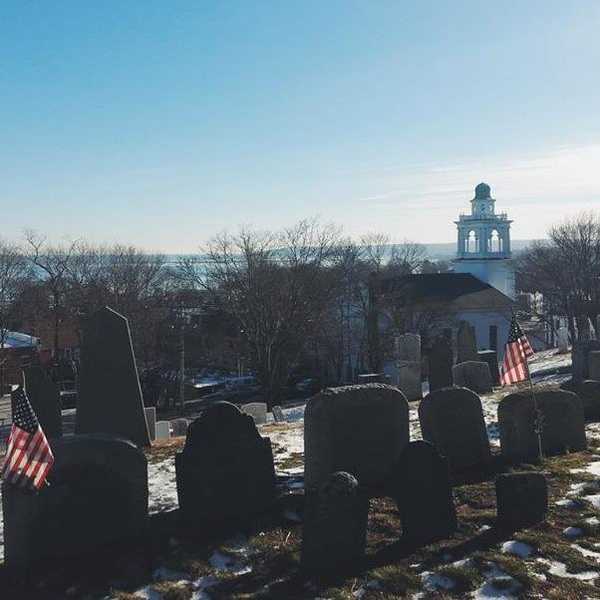
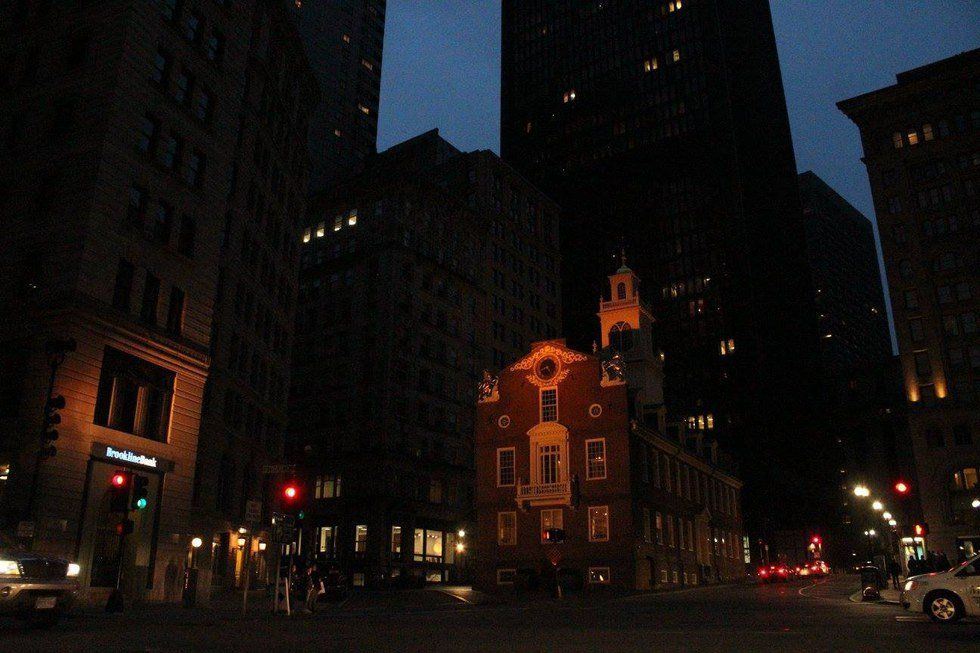
There's history to Beantown, of course, spanning to the days of Colonial America. There's plenty to remind you of the fact, as the Old State House sits in the downtown concrete jungle surrounded by plenty of skyscrapers. The same can be said of the Old North Church and Paul Revere House, noted locations during the Revolutionary War.
These places remain relatively untouched by modern technology, and are maintained closely to their original forms to give visitors a sense of what Boston was like back then. Then there's the Quincy Market, originally opened in 1826 but renovated in years past. The building is now full of modern cuisine of all types, from American to Japanese, both of the fast and casual varieties, and is a part of the Faneuil Hall Marketplace.
It's this interspersing of the old and new that gives Boston and its surrounding cities a feel that most others in the United States can't touch. Although many historical sites dot the suburban landscape surrounding the city, just as many can be found within Boston proper's 48 square miles.
My travels throughout the city started near Boston City Hall, at Haymarket station along the MBTA, Boston's rapid transit system. A stop at Anthem Kitchen and Bar for brunch (do try the French toast, it's fantastic) and I'm on my way East toward the Christopher Columbus Waterfront Park. The area also has the New England Aquarium, but I'm just here to wander.
So I head North, up Atlantic Avenue into Commercial Street. The journey takes me by the Old North Church, historically significant due to the efforts of, among a few others, Paul Revere. You know, the guy responsible for, "The British are coming!"
The church itself is rather large, and fittingly, there's a statue of Revere on his horse out front. As much as American History fascinates me, I've got limited time, so I head south down Salem Street, where I come across a man opening a custom hat shop, William Carlton, for the day. It's decorated like something out of the 1920s and specializes in old school newsboy style hats.
The proprietor, Steve Carlton, informs me that he has always had an interest in making clothing, and that he's into the retro look. He named the shop after his grandfather, and wanted the vibe to match the era of his chosen style and the surrounding Italian neighborhood in which William Carlton sits. After a friendly conversation, it's back to the streets.
With that, I head West, past the TD Garden, home of the Celtics and the Bruins, and eventually I cross over into East Cambridge, best known for housing this little school known as the Massachusetts Institute of Technology. Here I discover restaurants catering to college students and even a mall, but I've put in over 12,000 steps by this point so I decide to call it for the afternoon.
Boston's small size and interconnected neighborhoods accommodates anybody who doesn't mind walking, as I obviously don't. The next day sees me tackling Chinatown (I do recommend the dim sum at China Pearl), trying out one of the highest rated donut shops in Boston (Kane's creme brulee is simply exquisite), and enjoying the installations at the Museum of Fine Arts, Boston (where admission is free on the third day of many federal three day weekends, but the museum is so large that a one day visit barely does it any justice).
The city of Boston has so much to do and see, and its culture so diverse, that a person would be wise to take an entire week to soak in the sights. And while you're here, do yourself a favor and grab a lobster roll.