In elementary school, I remember participating in classroom activities where the teacher would ask the students to list their wants and needs. After our lists were finished, the teacher would ask for volunteers to share some of the items they listed to be written on the board. In the needs category, items included game devices, fashion/room accessories, stuffed animals and many more materialistic items. In the wants category, items included water, food and shelter. You know how the rest of the story goes because you’ve probably participated in one of these activities. The teacher explains the difference between our wants and needs, and we all have an "aha" moment of realizing that we got our wants and needs switched around. You only need three things to survive, and the rest are just desires that fill up our lives.
When the school day was over and it was time for my walk home, I was in deep thought about the wants and needs activity. How did we mix up the lists? Doesn’t a person need a room full of items? What would I do without my stuffed animals and trinkets? Water, food and shelter are elements that a person will always have, right? Thinking about this situation roughly 10 years after the fact, it makes me wonder where this sense of desire and attachment to material items originated. The answer is simple. Throughout the decades, capitalistic America has oozed its sneaky advertising onto gullible citizens through commercials, labels and billboards. Even by using the occasional famous actor as a pawn to convince the average Joe to buy that miracle serum. Sleazy businessmen make their living by creating products for profits that shape the way society thinks. Women, you will die if you don't buy that expensive, pink razor to shave those ungodly, hairy legs, right? Items that are marketed to make our lives easier and at our disposal are shoved in our faces wherever we go. Oh, a machine that makes a single cup of coffee in two minutes versus 15, I’ll take it! As Americans, we are constantly finding ways to save time and money, and if a product does just this, then why not put a small dent in our wallets? The damage is done, but throughout each generation, did anyone ever stop to ask themselves, do I actually need this?
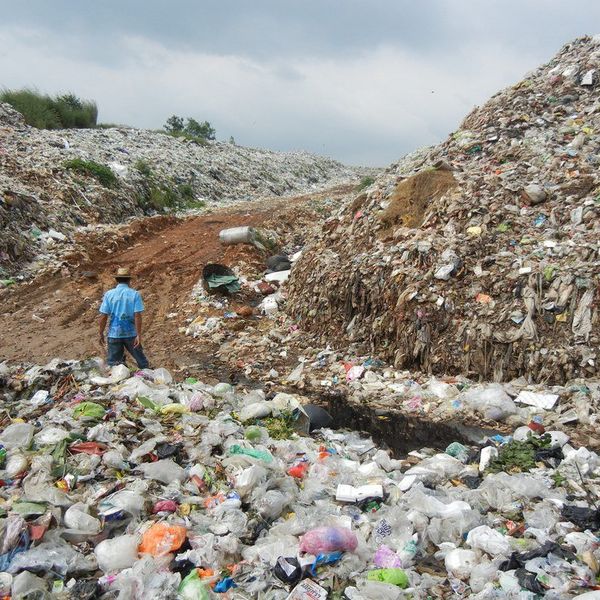
We live in houses filled with material items we honestly don’t need. Our closets are full of hundreds of different types of clothing articles for each season. Shelves hold dusty décor that no one pays attention to. The kitchen cabinets overflow with outdated canned food and the occasional holiday plates used once in the last six years. Beauty products, grooming utensils and medication for every illness are shoved into every nook and cranny in our bathroom medicine cabinets. Plastic tubs line the walls of storage closets filled with junk that you tell yourself you’ll use. These so-called treasures clutter our lives, and they’re damaging, not just to us, but to every creature living in this future wasteland we call planet earth.
On your drive back from the store, you go over the grocery list in your mind to make sure you didn’t forget anything. Water bottles. Check. Fleece jacket. Check. 20 other items. Check. During this process, did you think about where the products came from or where they will go when you no longer need them? Why did you buy that 24 pack of bottled water? Well, it’s convenient to take a bottle of water out of the fridge and just throw it away whenever it’s finished, right? If I were to tell you that plastic bottle production kills the ecosystem surrounding factories in which they are made and the empty bottles end up polluting the earth’s oceans, would you stop buying them? What if I told you that the fleece jacket you bought was made by the hands of an Asian child that works 18 hours a day for a penny an hour? Would you stop buying these unnecessary items then?
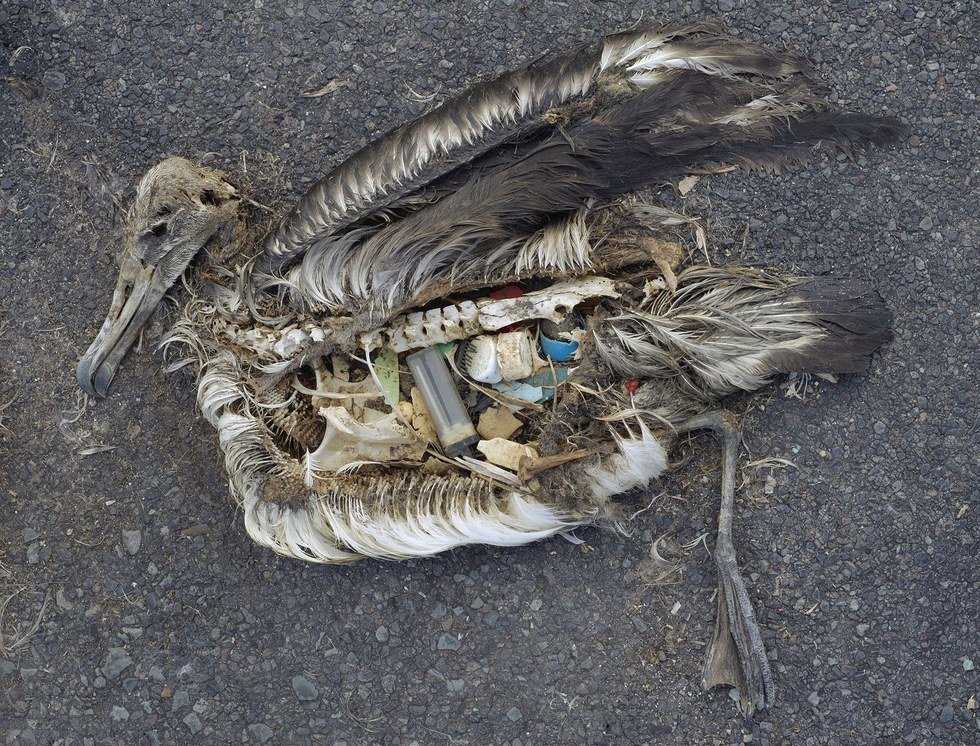
The majority of you would say no. Why not? Out of sight, out of mind. These items make our lives easier and we’ve become comfortable with their existence. I’ll throw away plastic bags and they’ll end up suffocating a handful of land or marine animals, but who cares, the bags helped me take the groceries in and not like there won’t be more animals being reproduced. This is our mindset. We buy our items, they get used and then they are thrown away to who knows where. Well, we know now. Our oceans are a big, steamy pot of plastic soup and animal carcasses are found filled with indigestible gunk. Animals suffer, but so do humans. The little girl spending her life making your clothing wishes she could live the American Dream, not just make it possible.
To whoever is reading this, I challenge you to think. Stop and think. Simply that. When you pick up that item plastered in labels thought up by some clever, marketing specialist, ask yourself if you truly need it. If you want to buy a pack of bottled water, spend the extra money on a reusable bottle. When it’s time to clean out your closet, think about donating the clothes to someone in need instead of sending them to the landfill. Think of ways in how you can limit your daily waste. Opt in to buying all your clothes from second-hand stores. Choose to use reusable glass containers to store food instead of using plastic. It’s on us to mend the damages that have been done. If there’s a will there’s a way, and positive changes will only occur if we stand up together.
One day, we’ll walk into our kitchens and find ourselves with an empty fridge and a faucet running without a stream of water. We will run out of our needs, and be left with our wants.