


Whether you're a student who's just starting out or an adult that's set in your ways, the idea of living waste-free can seem daunting. It may seem time-consuming, complex, expensive and generally inconvenient. However, zero-waste lifestyles are actually more attainable than you think; there are dozens of tips and blogs all over the web to help you get started. The biggest challenge to living a zero-waste lifestyle is overcoming the aversion that comes with major habit changes. However, re-framing the way you think about switching to a waste-free lifestyle can help you get past that aversion. Instead of thinking about habit changes as a cost, think about them as an investment.
Every investment requires an initial "down payment" of sorts; one of the most basic principles of economics is "no free lunch," meaning somebody has to pay for good things eventually. Nothing is ever free. After you pay your initial investment, you will receive good things over time, whether it be cash flows or utilization of a product, called returns. In basic terms, you have to give something in order to get something back. Ideally, by making an investment you will get more back over time than you gave out at first. The basic measure of an investment is the cost of doing something versus the cost of not doing it. This is known as an opportunity cost. The concept of investment can be applied to the waste-free lifestyle and truly demonstrates its importance and value not only to the individual, but to society as a whole.
Any kind of lifestyle change takes time because it seems overwhelming at first; you must change longstanding habits and establish new patterns. In the beginning, you may be discouraged by spending more money on new reusable gear (like reusable grocery bags, water bottles and coffee mugs), setting up a compost pile, learning new recipes to make your own products and changing where you shop or what products you buy to avoid packaging. Think of this as your initial investment. It will cost you time and some money in the beginning before you are able to start receiving your returns.
So now that you know about your cost, what are your returns? On the individual level, there are many benefits. Eventually new habits become old habits, and your sense of being inconvenienced will fade. You will grow used to checking labels on packages, recycling, composting, buying in bulk and bringing re-usable products with you to avoid the disposable ones. This means that part of your initial cost will reduce to nothing. In addition, even though you may have bought more reusable products, you don't throw them away. If you use tap water to fill up your reusable bottle, you are no longer spending $1-$2 to buy a drink at vending machines or convenience stores (and a dollar saved is a dollar earned, right?). Some coffee shops give discounts to people who use their own travel mugs. Buying in bulk is a cheaper way to shop because you are buying things at a discount. Even being less wasteful by turning off lights and the faucet when you don't need them can save you a tremendous amount of money over time. More important benefits include reducing harmful impact to our environmental, clean spaces, unpolluted air and water, healthier food (think about waste in the ocean and soil) and feeling good that you are making a significant difference for both yourself and others now and in the future.
More importantly, what is the cost of not living waste-free? Part of it depends on how you define cost. For the individual in monetary terms, the cost is more water bottles, more trash collections and higher bills. For businesses, the cost of being wasteful can be even more. Not abiding by environmental regulations can actually be more expensive than opting for the initially cheaper, less wasteful options. Efficiency is a key business value because it saves both time and money, and uses resources more effectively. While it may mean a higher upfront cost, being less wasteful will lower operating costs for both individuals and businesses in the long run.
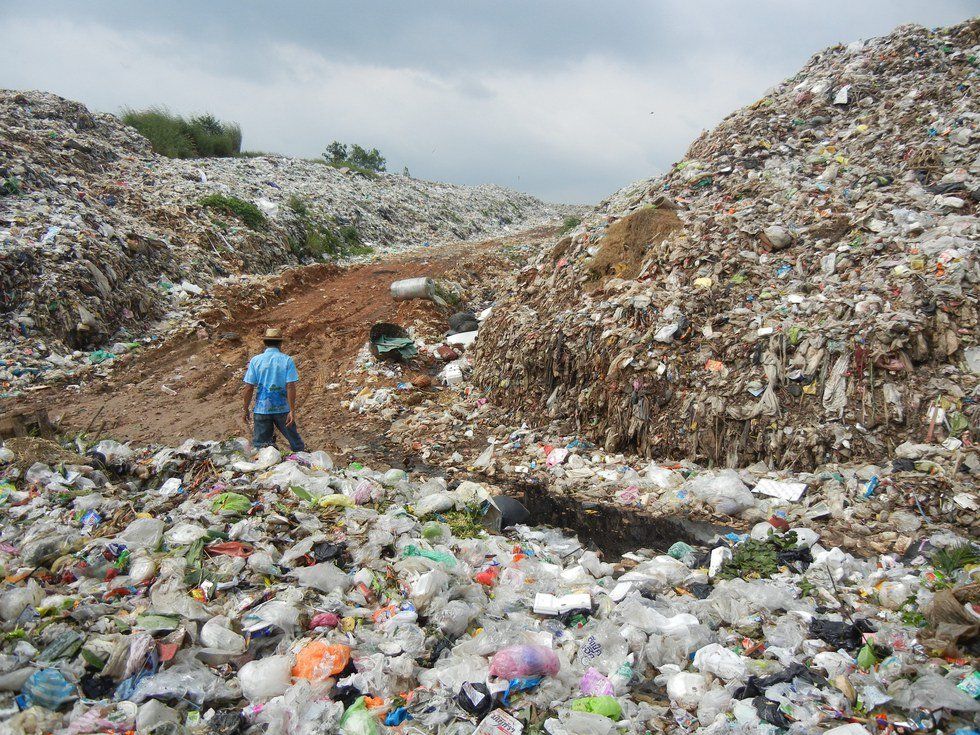
But how else can we define cost? Perhaps cost can be much more in the case of waste. Cost is pollution in the air, water and soil, which affects everything on the planet. While it is tempting and convenient to use something quickly then throw it away, what none of us like to think about (and yet we all know) is that the trash doesn't just go away. We don't like to think that our highly-valued convenience is creating mounds of trash that not only take up a portion of our finite living space,but won't break down until long after we are gone and it has polluted our space in the process. Nobody wants to live in a trash heap; that's why we want our trash taken away. But it never goes away. So why continue to create it?
It's easy to justify your own actions because how can one person alone be responsible for all the trash and pollution in the world; my few pieces of trash surely won't hurt. This is why we need to re-frame our thinking because all of us, individually and collectively, are responsible for the problem. Even though it seems troublesome at first, it is in all of our best interests to change our habits while there is still time, especially because we have done major damage already.
Living a zero-waste lifestyle seems like a hassle at first, but whatever is holding us back from beginning this grand change will fade. There are many tools to help you ease yourself in. Change takes time, and that's okay. But if we choose not to change, we will continue to pay for it long into the future. Think carefully: what is the cost of your waste?
















