
I suffer from multiple mental illnesses in a society that is absolutely terrified of accepting negativity, especially if it has anything to do with them. This same society speaks of mental illness like it's a joke. I’ve been afraid to say this outright because “employers might see it” and “people will judge you.” Quite frankly, I have no idea if or when my brain will decide to do whatever it wants and interfere with my life. I think that, if anything, the level of success I've achieved with that self-knowledge, shows exactly how much determination I have and, hopefully, it conveys how much I care. Without our allies, oppressed or misunderstood communities of people will never get the recognition and understanding we deserve. More importantly, we need our allies to get us through our lives.
There are many different kinds of allies, but I feel that mental health allies don't get enough recognition. I know from talking to people and from personal experience that being an ally for any group is hard. You're not going to get it right every time, and there's just no way around that. It's not always going to be easy, but what friendship is easy? At the end of the day, allies should also be friends and they are, of course, human. It can be a little bit easier to be a good ally for things like the LGBTQIA+/queer community (which I am also a part of), because it's more tangible. Mental illness is scary to people, they don't understand it. People are afraid of what they don’t understand. If those of us who have allies don’t share our stories and our wisdom, no one ever will understand. We also have to support each other to make any progress as a society.
1. Validation is really important.
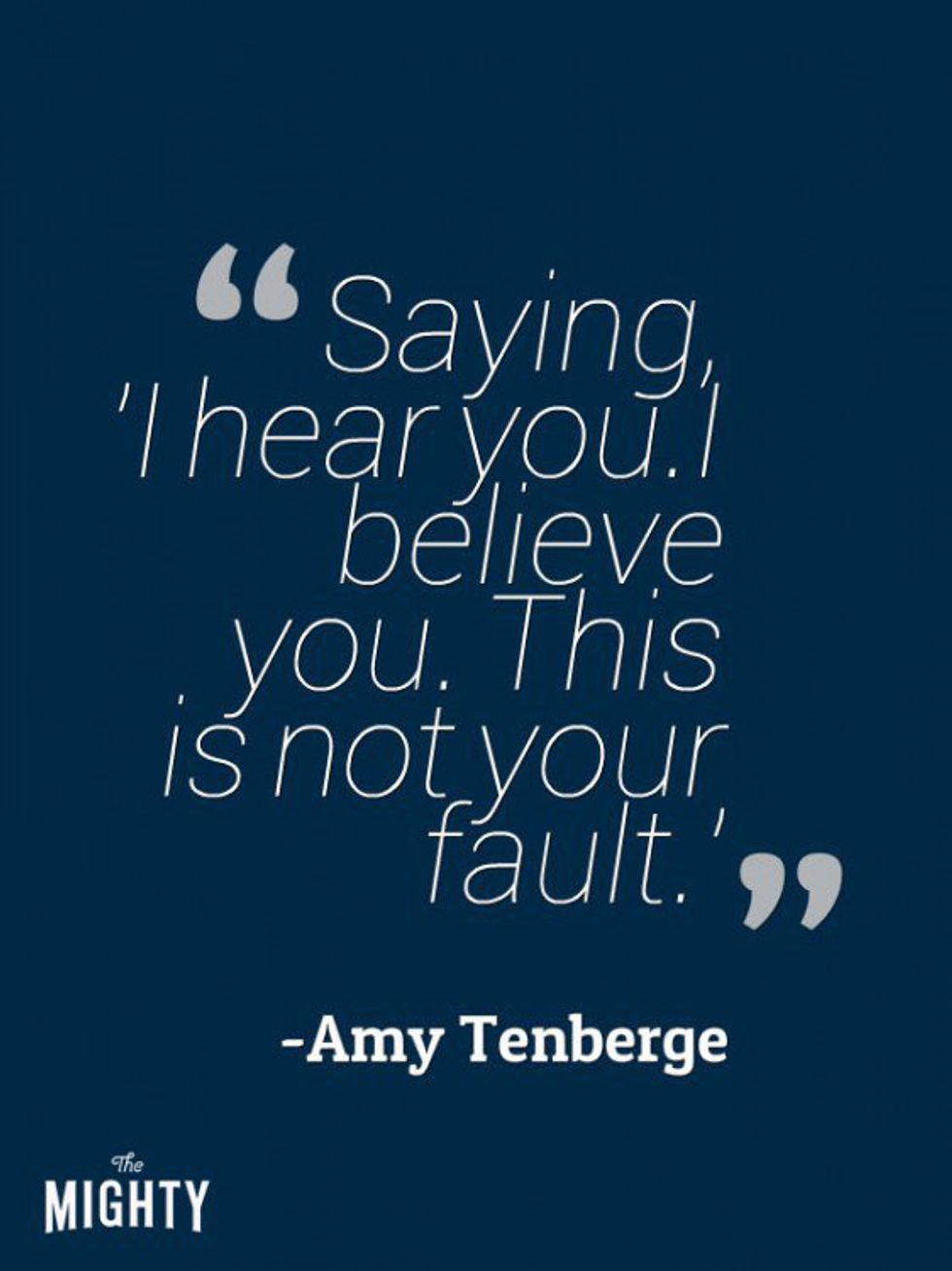
To admit that you have a problem and/or to accept something about yourself, you need to see it as real, and sometimes that requires some help, which is called validation. Valid: something that is real or is truly perceived as real by a group or an individual. Valid does not automatically mean good, positive, or something that’s absolute. People need validation to know that something they perceive as real, is, in fact, recognized as real by others. This is especially important with things like mental illness that aren't visible to the naked eye and are often heavily judged. Sometimes sharing things on Facebook, for example, actually does make a difference by validating someone's thoughts, concerns, or perceptions of themselves.
2. There is no such thing as a perfect ally.
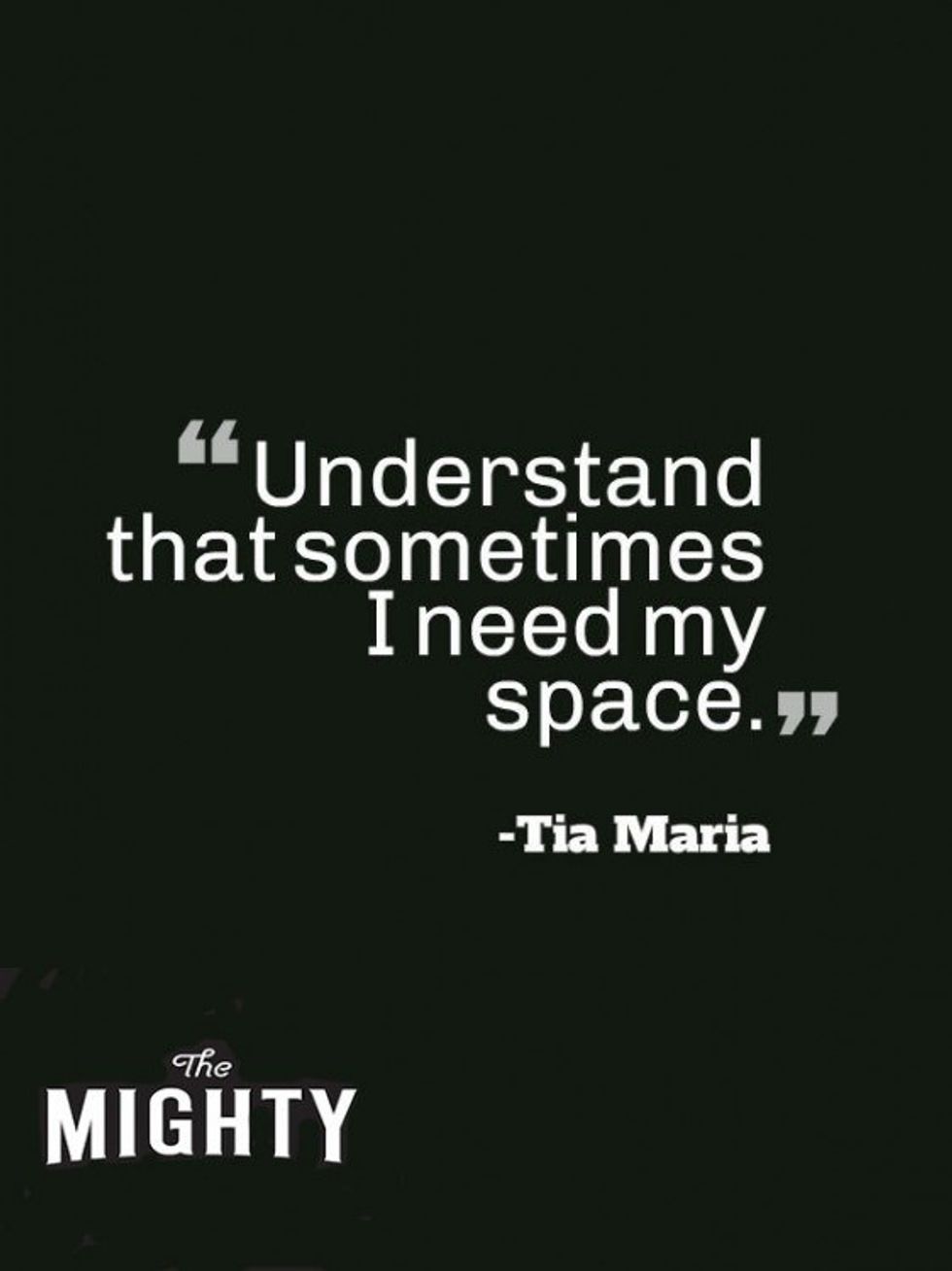
Sometimes it feels like you're walking on eggshells as an ally, but remember that the person or people that you're supporting have been through a lot and even though they might get defensive or upset, if you're really trying they can usually see that. It's also not your responsibility to take care of your friend if they're being toxic to you. It's not your responsibility to keep your friend happy or sane. You make the choice to be a friend, to be supportive, and to be understanding. Make sure your friend is safe and that they have resources, but don't let your relationship become toxic.
3. Being politically correct isn't that hard.
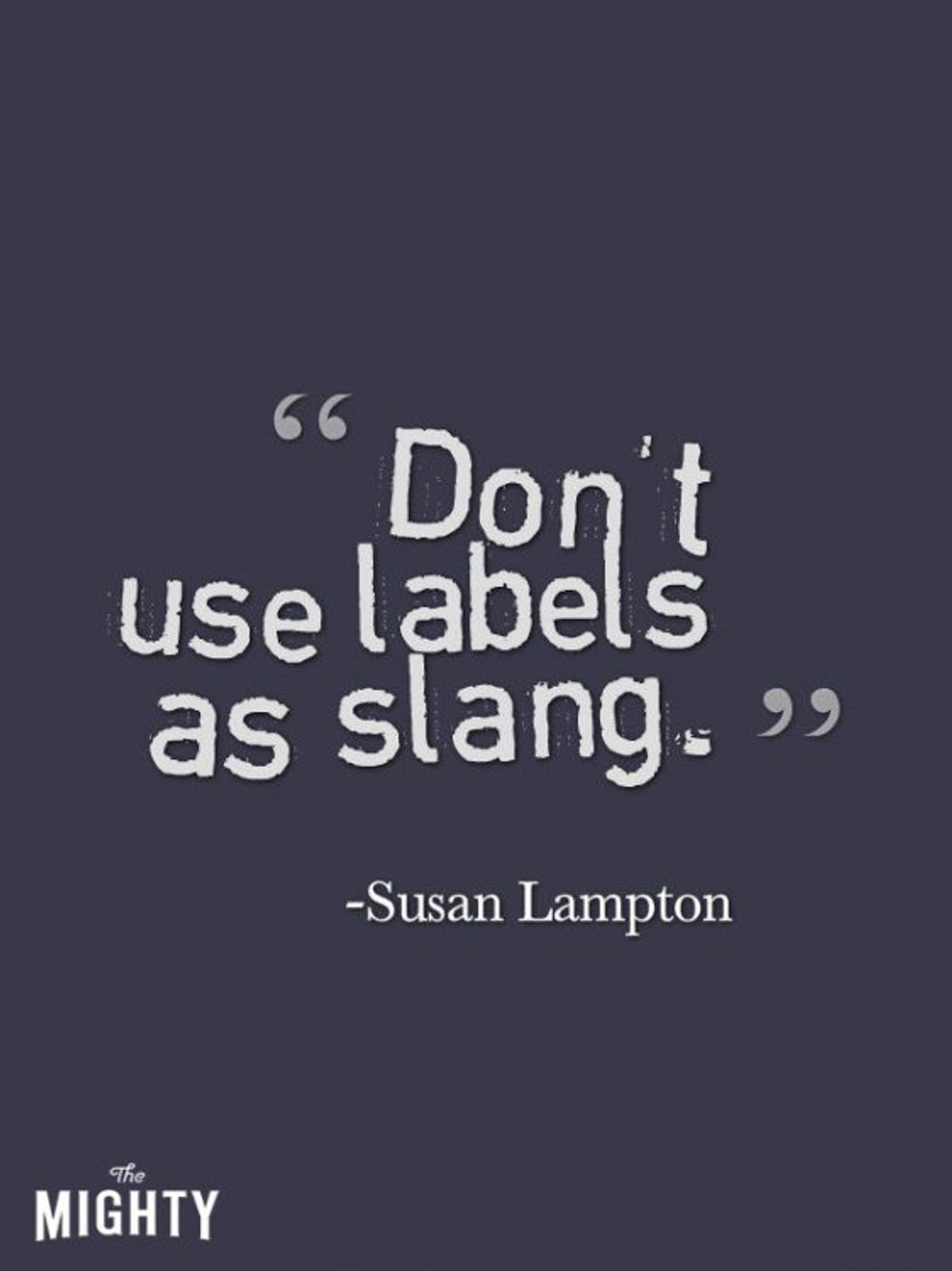
And you don't need to be perfect at it either. We're afraid of telling each other the truth if it might be hurtful, and I’m so tired of social niceties like that where we end up lying about how we feel, what we need, or what we want, just to avoid confrontation and not hurt someone’s feelings. Monitoring and altering your language and behaviors to be more respectful and understanding of problems you’ve never heard of, however, is something we should all be doing.
4. Sometimes people get triggered.
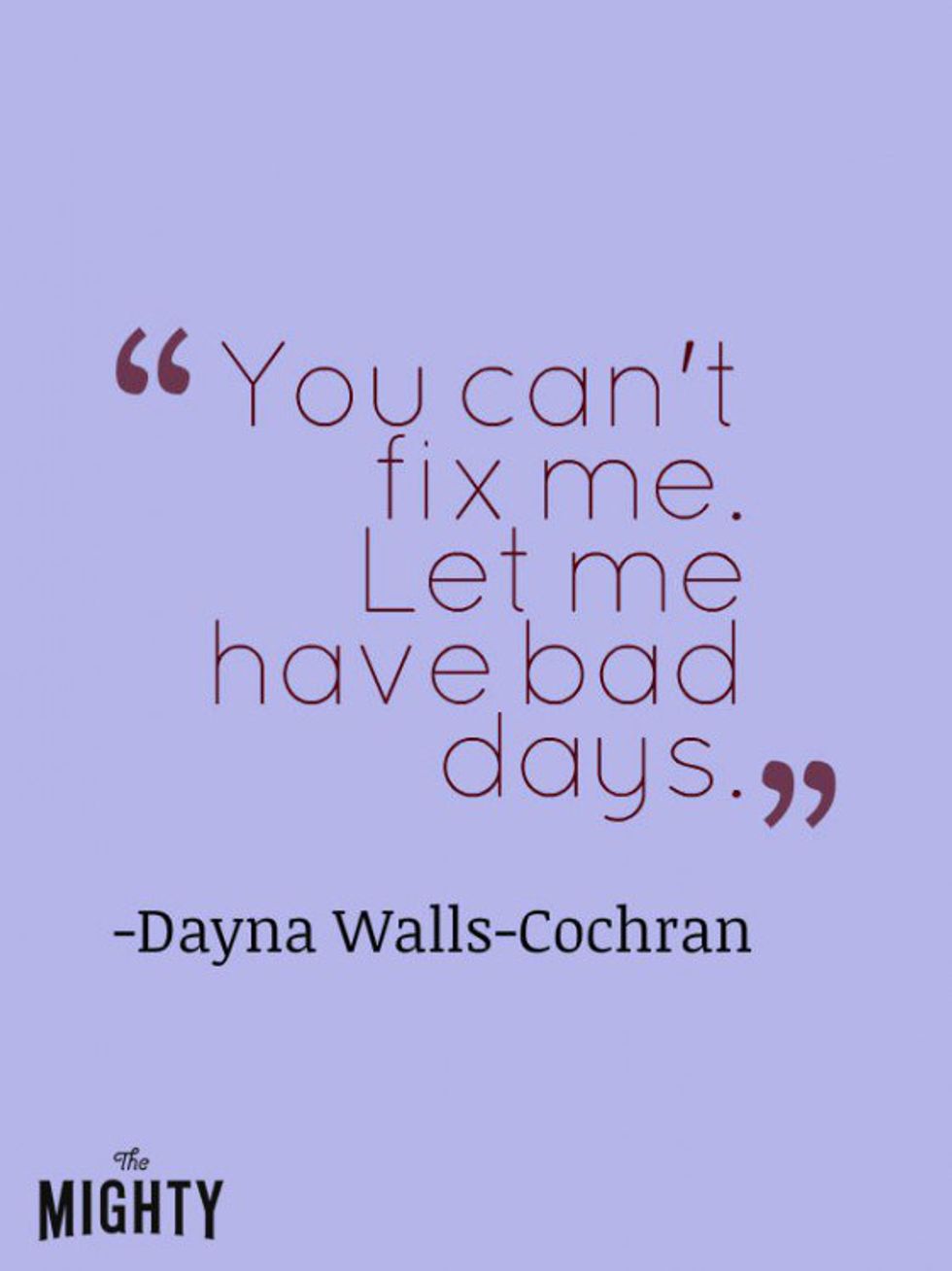
And if you weren't previously aware that something triggers your friend, instead of getting defensive, try to understand where they're coming from. Triggers can lead to panic and anxiety attacks, among other crippling responses, and should be taken seriously. In fact, with some disorders, such as bipolar disorder, triggers can set off serious reactions such as manic episodes that can last weeks.
5. Having allies doesn't excuse you from being an ally.
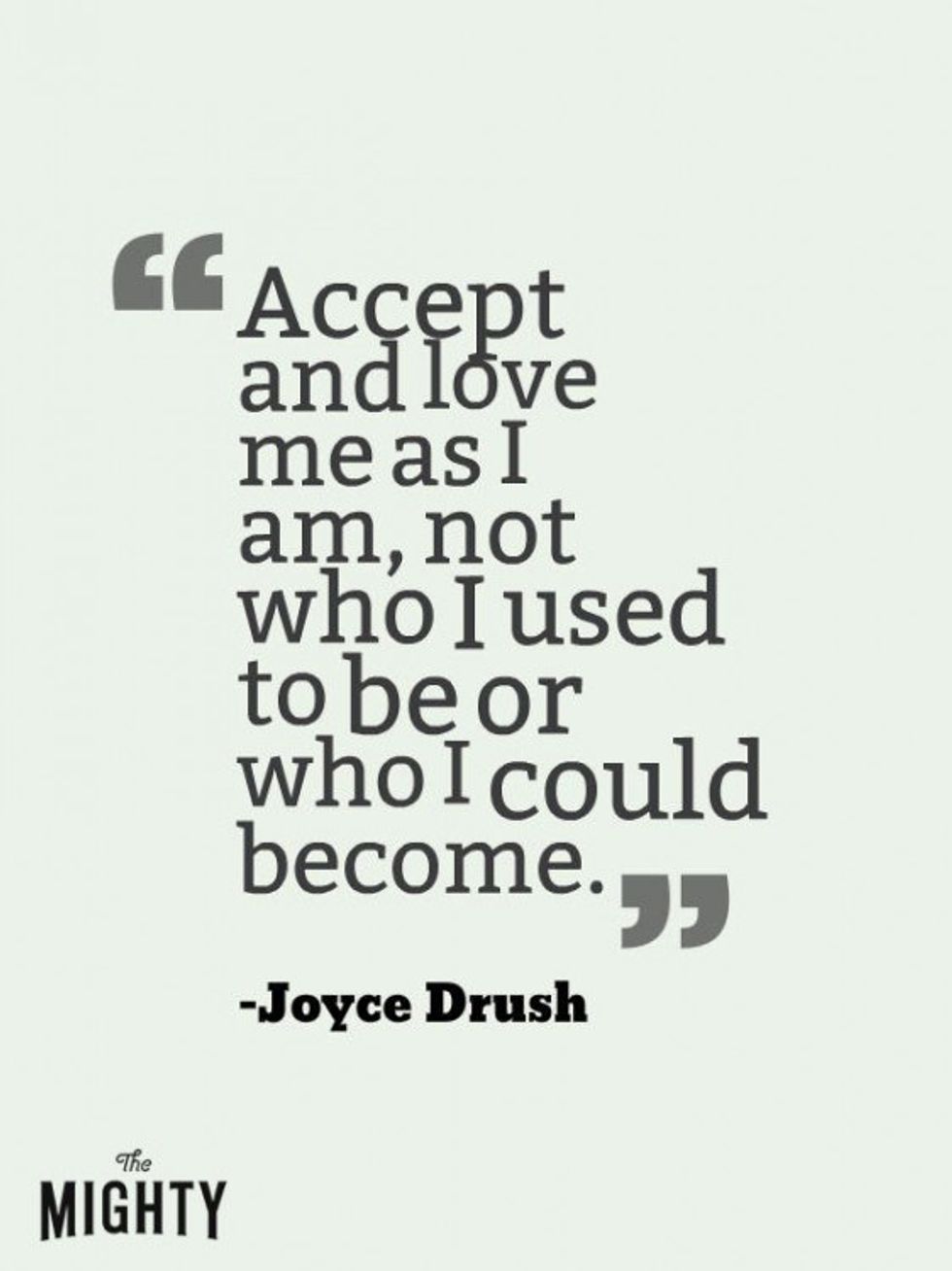
Allies exist for different groups of people and there's nothing saying you can only be in one group or that being in one or more of those groups means you don't need to be an ally yourself. How can you expect support if you can't return it?
6. Don't overstep your bounds- educate yourself.
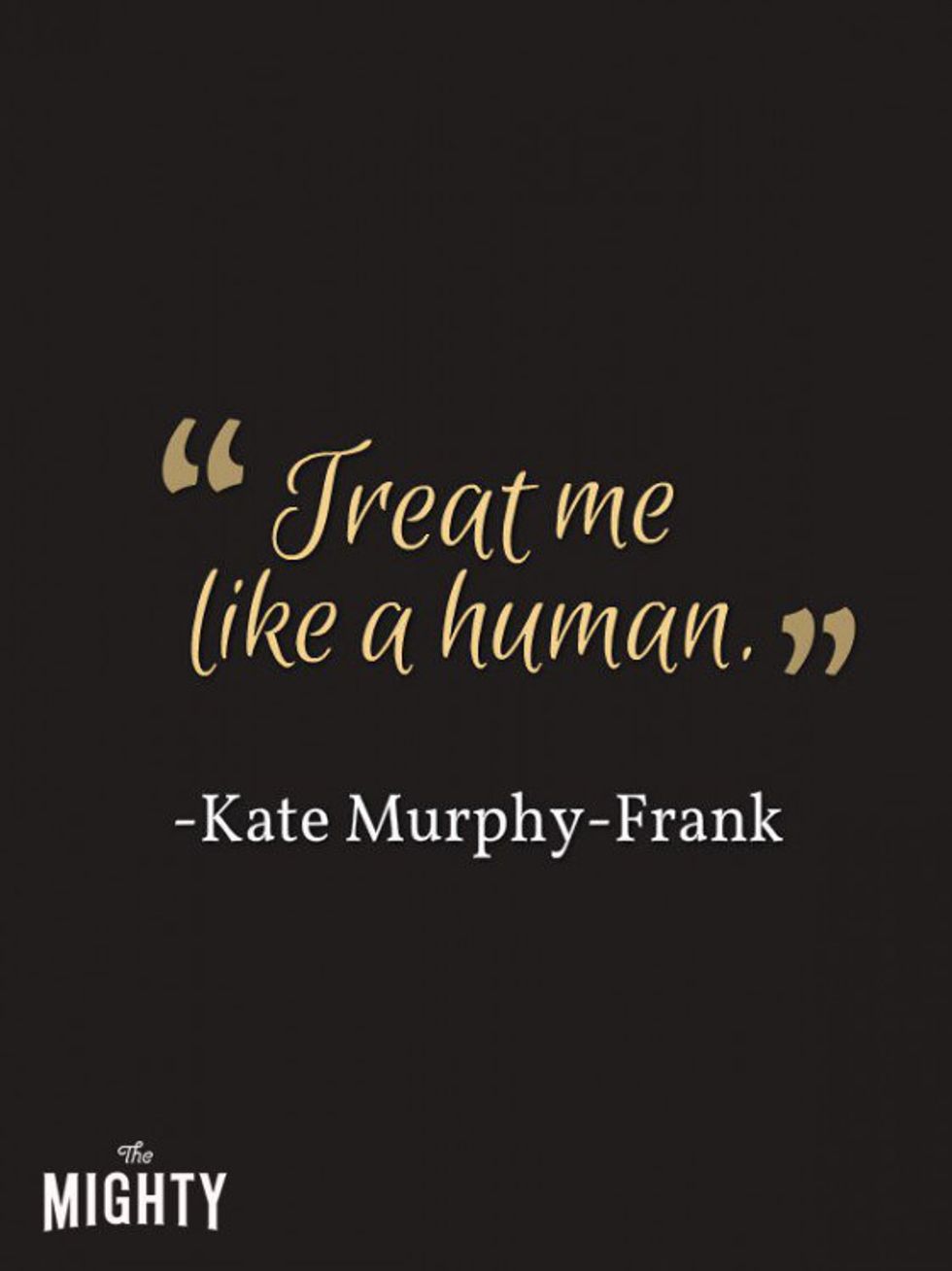
My story isn't yours to tell without my permission and if you don't understand my disorder(s), you have no business talking about them as if you do. I appreciate being defended but remember that in any situation, it's a good rule of thumb not to say anything about someone you wouldn't say to their face.
Taking care of each other is important and so is activism, but don't forget that the most important thing in life is to enjoy it. Don't get so caught up in being a perfect ally or activist that you forget that friendships are supposed to be fun. Also, be patient with each other.