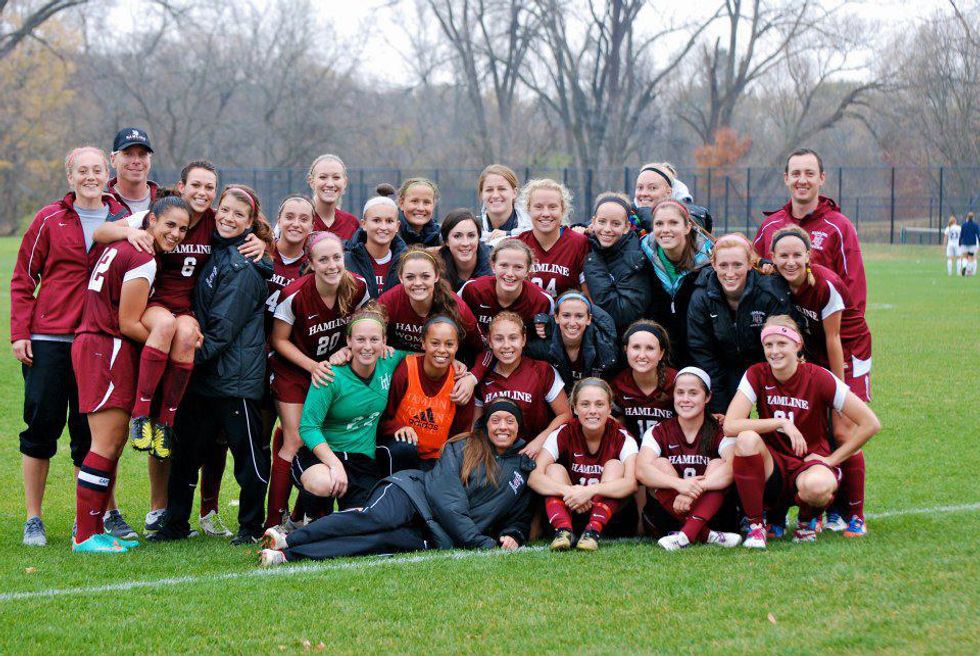

While there are many things that are exciting with ending your college career and your life as a student, there are also some negatives that come with it. One of these negatives for myself was coming to terms with no longer being able to identify as an athlete. For the last eighteen years, I have been able to identify as a soccer player. While other labels may have come and gone in this time, this label has stuck until the end. While I will always consider myself a soccer player, there are some things I wish I knew before transitioning into the world of a non-athlete.
1. You will not run it off later
This is probably the worst thing I can tell any of you soon-to-be retired soccer players. For so many preseason meals, I overloaded my plate with food to fill the void that was my stomach after two-a-days just to tell myself it was okay because I would run it off later, however, those days are over. It was a rude awakening to realize that I could not eat whatever I wanted in a day knowing that throughout a two or three-hour practice I would run it off. So just a tip: start working on eating smaller portions; you’ll thank me later.
2. Soccer shape and running shape are vastly different
While many of you have probably recognized this over time, it just gets worse in retirement. I have taken up the activity of running, and I can tell you in the beginning it was difficult. I remember telling my friends after a two-mile run that I was exhausted and all of them laughing and stating that “you’re a soccer player.” Well, I have news for you, while soccer players may run on average 6 miles a game, soccer consists much more of short sprints and recovery runs than a steady consistent pace running requires. The funny part? Now that I have been retired from soccer for 4 months, soccer is hard! I get winded after running half the field. No sport is easy, but the difference between running and soccer are a world apart for a retired athlete.
3. You will miss 6 a.m.'s
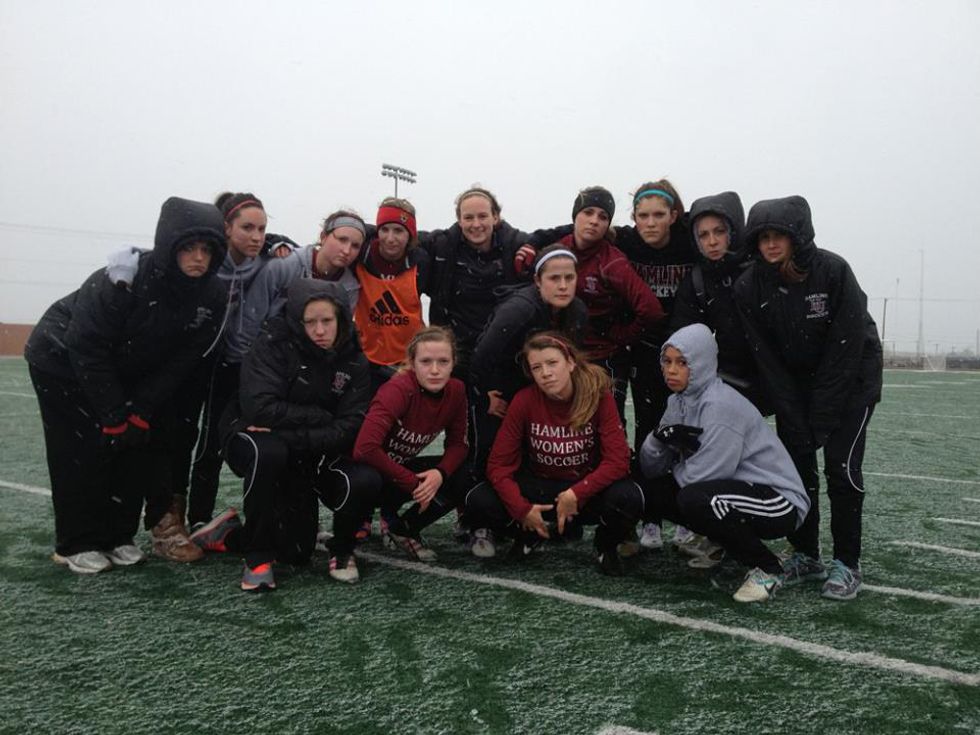
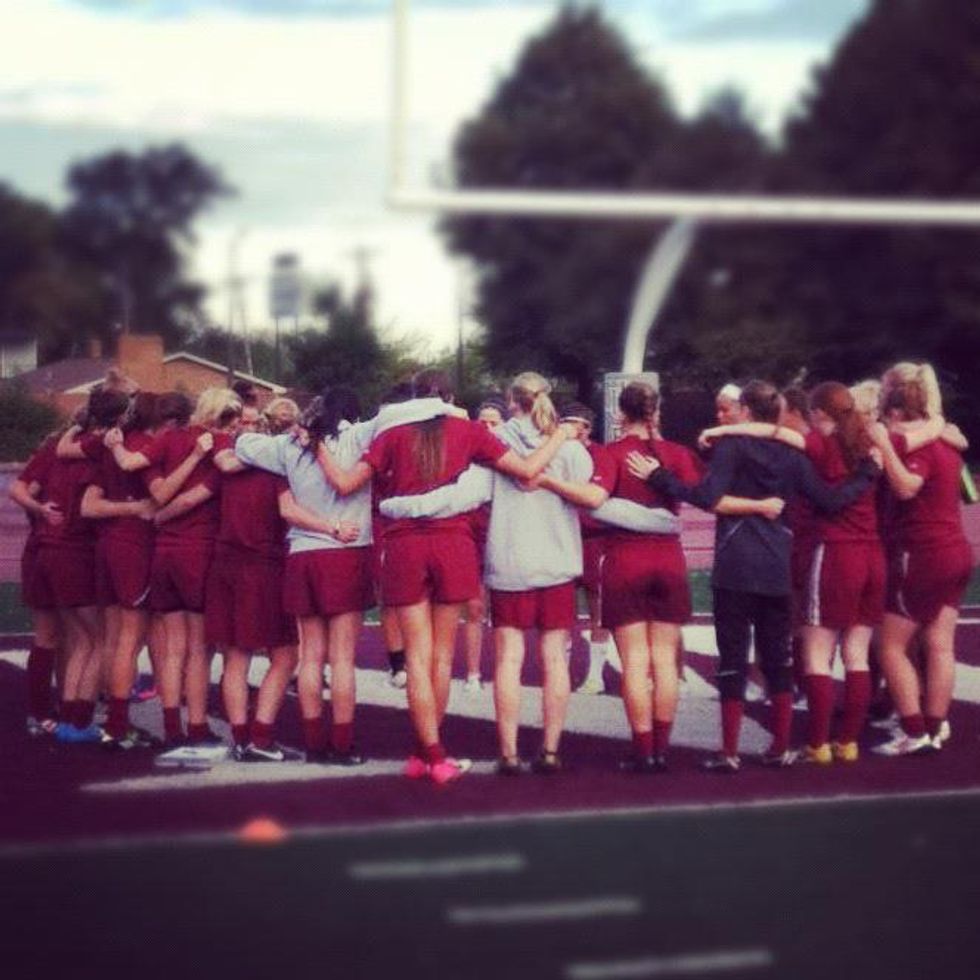
Okay probably not, but you will miss the time and effort soccer took. During the season, everyone complains about the lengths of practices, the time commitment, the lack of social life and all the homework you have to get done, but once it is gone, that’s it. No more road games, no more team bonding, nothing. Your senior game? That’s it. Once that is done so are a lot of the invisible memories that came with being on a soccer team. While the friendships and tight-knit bond between you and your teammates may still last, the work will be over, and come May, you may be missing working out with your team.
4. You will find yourself tripping over your title
This is perhaps the most difficult thing I have come across as a retired athlete. Soccer has been a part of your life for so long, it has become you. When someone asks who you are and what you do, some people say majors, but if I had to guess, 9 out of 10 athletes would say they were an athlete in their sport. So what happens when you retire? Do you say "former" athlete? Retired? Graduated senior? You find yourself stumbling over your title and, in a way, your identity. Once retirement occurs, you must re-evaluate yourself as a person.
While the thought of graduation may seem in the distant future to some, it comes up faster than expected. Four years fly by in a matter of months, and then you graduate and start a new reality. Then you will find yourself, one month before graduation, reflecting on the time spent at your college, your team, and the sport that you love. While it’s sad that this chapter is ending and the unknown is scary, you know that you will always have a second home with your teammates on the field.