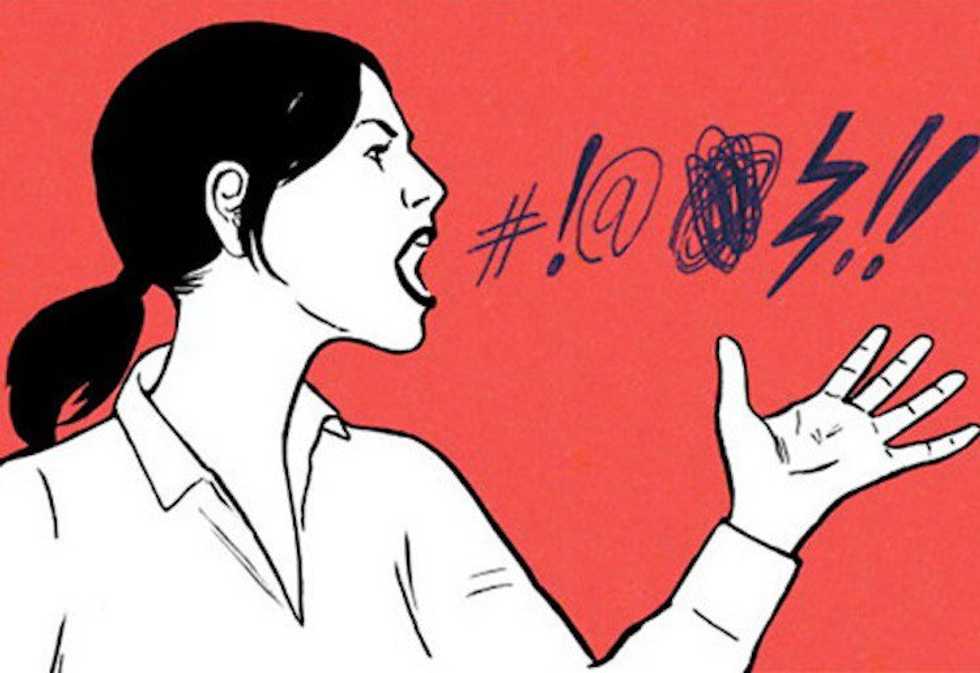
We hear it through our television screens, in our school hallways, on the athletic fields and just about every place in between- swearing is a phenomenon that is everywhere is our daily lives. With “F-bombs” and “S-words” littering my daily conversations, I was inclined to research the everyday habit of millions around the world.
I'll start with a little interactive experiment. This is called the Stroop Test, and it's simple - just say the color that each word is printed in out loud. Do not say the word. Just the ink color.
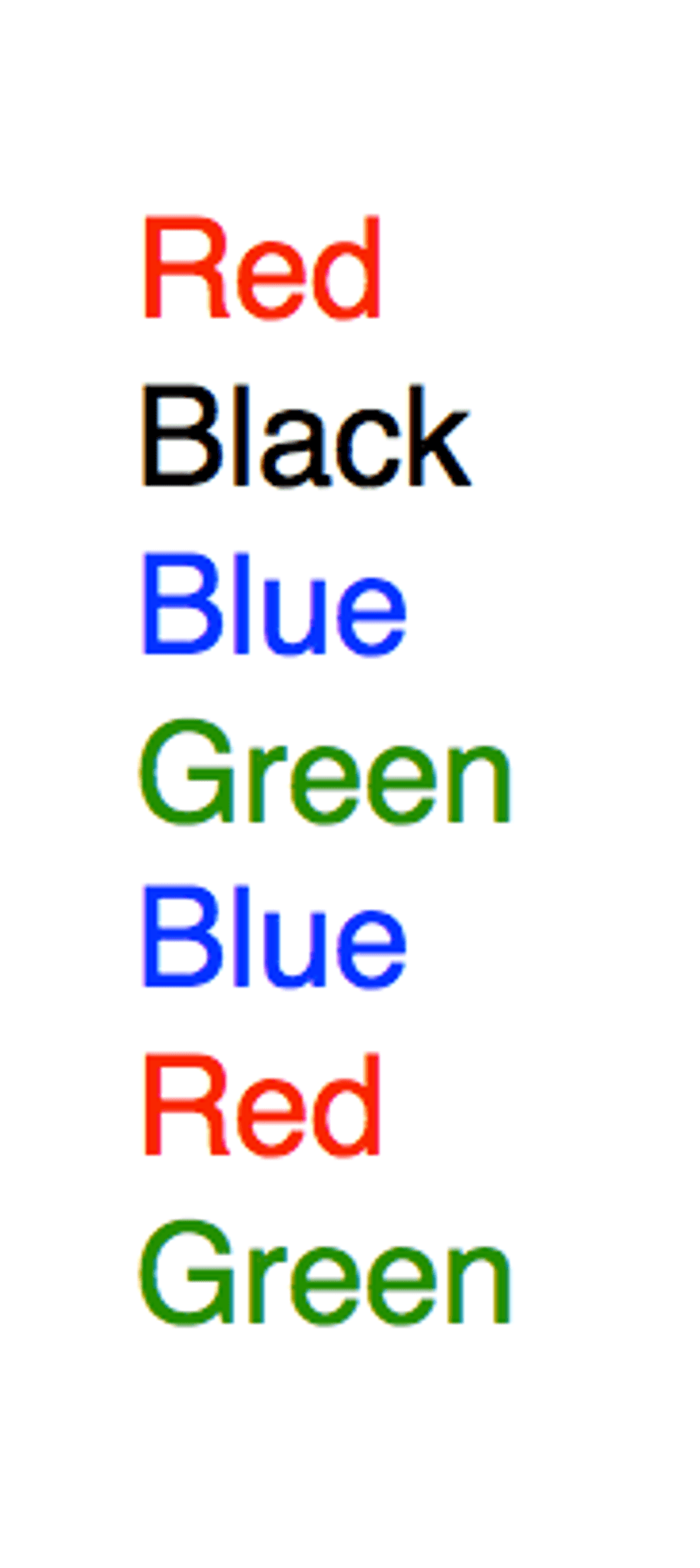
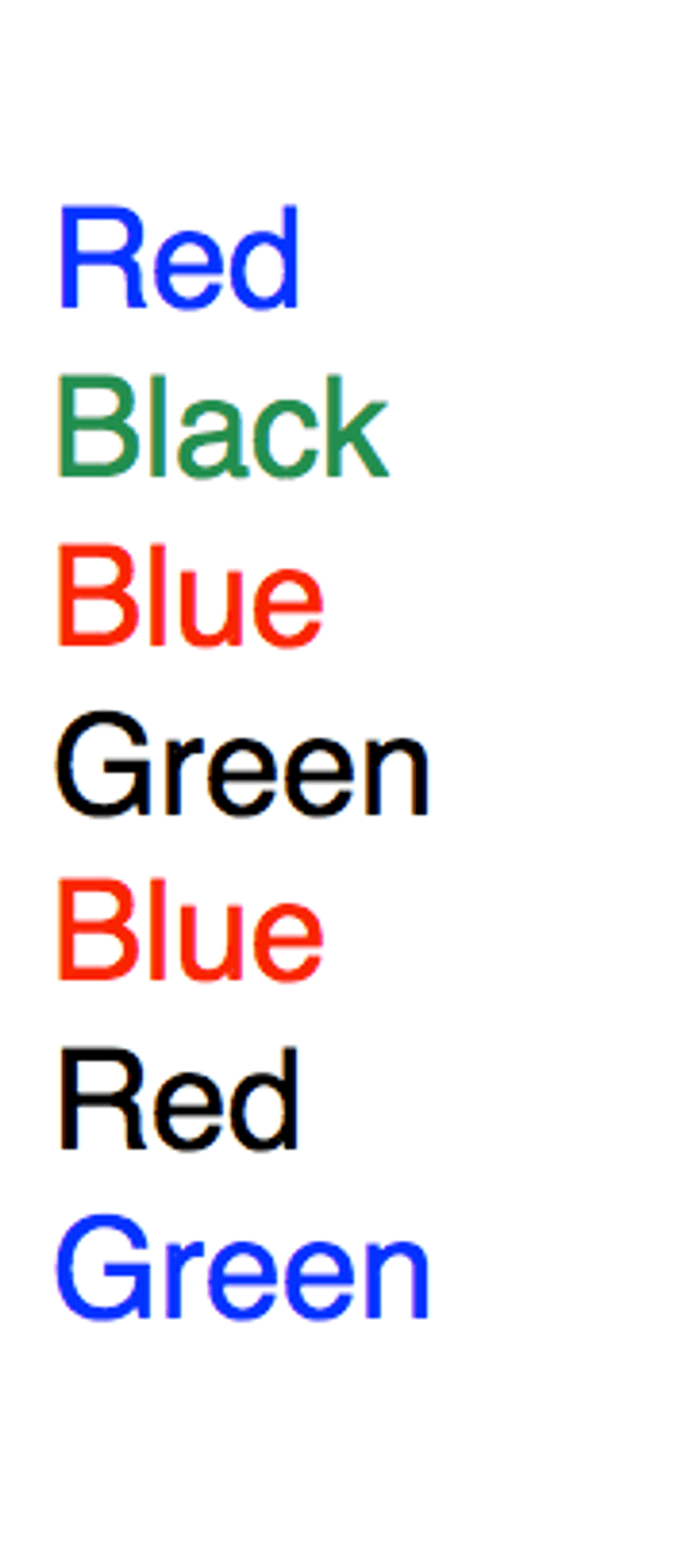
Not as easy right? That's because we are trained to involuntarily understand the meaning behind specific words. In this test, we know that the word "green" means the color combination of blue and yellow that we see when we look at grass or the bottom light at a traffic stop. The same goes for cursing. When we see those specific swears, we understand that behind these words are heightened emotions conveying specific meanings depending on the context. This is what led psychologist Steven Pinker to develop two questions of why we curse:
1. What types of concepts trigger the emotions that lead to cursing?
2. Why would the speaker want to trigger these emotions?
Much of the Internet research about the matter that I’ve done has boiled it down to two basic motives to answer these questions.
- People curse as an emotional response to a situation: “Annoyance Swearing”
- People curse as a social stigma: “Social Swearing”
Here’s what I mean by that.
"Annoyance swearing” is the one you’ll probably hear most often. It’s the four letter words you let out when you’ve stubbed your toe, or when your team fumbles and turns over the ball. It’s the negatively emotional swearing that allows people to put emphasis on how they feel and what aggravates them. These "taboo" words triggered by annoyance are messages sent primarily through the right hemisphere of your brain, through your basal ganglia which produce the words, and then to your amygdala which perceives those words as "curses." Issues with the basal ganglia (production phase) is what scientists believe to be associated with disorders like Tourette syndrome, in particular the symptom when people will randomly blurt out various swear words. This type of cursing can also be linked to emotions of excitement or joy, like when you reach a new high score or win the scratch off lottery ticket. This is the type of cursing that coded tennis star Serena Williams a violation during last year’s Wimbledon when she uttered an “audible obscenity” after slipping during a match.
“Social swearing” is the type that I, as a teenager, happen to cross the most. It’s the curses and “taboo” words that slip out in effort to put emphasis on an idea or action. Psychologists say that people use these to feel “apart of the gang” because the use of colloquial terms make groups seem closer together and more relaxed. There’s a certain social status, I have found, to the people that not only use the most swear words, but also in what context and situation they use it in. This is where the more creative curse words come into play, as users try to (impress their peers with the most taboo term they can muster. Another use of curses in social swearing is to add emphasis to certain sentences. As discussed before, curses hold power and meaning. These meanings can add extra connotation to a discussion, argument, or text. I think we can all agree that "Take out the f***ing trash" holds a lot more gusto and power than "take out the trash".
But that’s what makes swear words cut so deep right? That they’re seen as taboo. You would never hear the Queen calling someone an “arse” or the President yelling “God dammit,” because such terms are considered vulgar and crass. But it interests me that some are more obscene than others. For example, modern day television and media allow words such as “bitch”, “ass” and “damn” to be used freely and without censorship but words like “f**k” or “s**t” need to be bleeped out or removed. I think we can all remember the notoriously famous clips off American Idol rejects having the show’s logo being slapped on their irate faces as they stormed out of hotel buildings.
Some say that time has diminished the effect of words like “hell,” “oh my god” or “damn,” yet there’s proof that the “F-bomb” and “S-word” have been around since the Middle Ages, with just the same power of profanity.
Other sources says that the vulgarity of the word has to do with the current culture’s social expectations. For example, 200 years ago the “N-word” (although a negative term even back then) was used freely whereas today it’s extremely offensive to even mutter. Many words that also degrade women have been put on the “ultra-taboo” list because of the movements to equalize women within the last hundred years.
Although many linguists believe that the use of swear words is a sign of “laziness,” it has now been repeatedly proven that cursing commonly reflects a higher intelligence of the swearer! This study, conducted by Timothy Jay (who seems to be the leading researcher on all swearing studies) and Kristin Jay (no relation), first asked 43 participants to “rattle off as many swear or taboo words as they could in 60 second.” Then, they were asked to name as many animals as they could in 60 seconds. With a total of 533 different taboo words and an equally impressive number of animal names, the Jays concluded that “Speakers who use taboo words understand their general expressive content as well as nuanced distinctions that must be drawn to use slurs appropriately".
As someone who chooses not to swear, these facts intrigued me to look further into real world statistics about the amount of cursing the everyday person says.
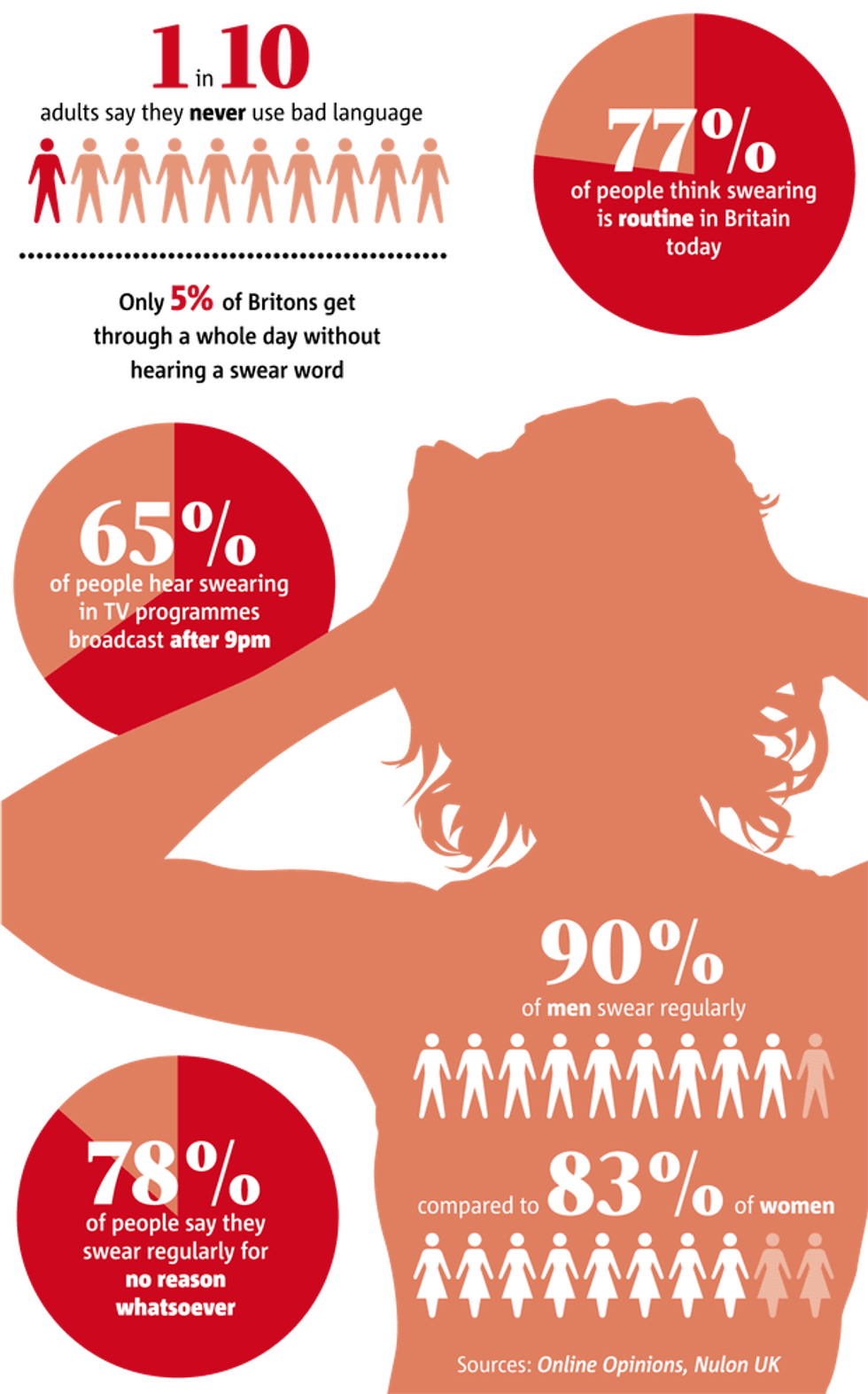
It's interesting, I think, that something so commonplace is not thought of as often as it seems to be said.