
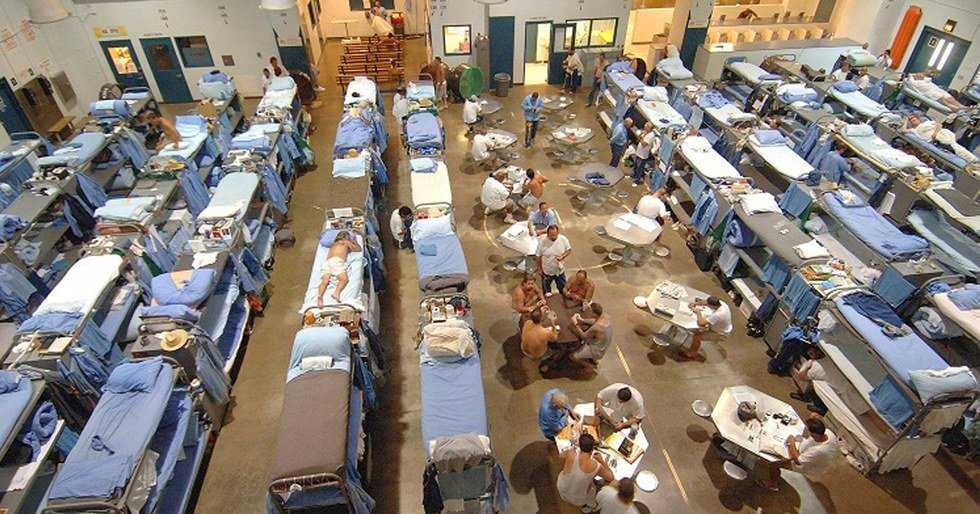
The idea of sending those that have committed crimes to a confined location is genius. They are separated from law-abiding citizens for a period of time, and then given a second chance when released, but what isn’t known by the public is that majority of these prisons are privately owned. This means that there are prisons in the country that are essentially businesses, and make a profit off a number of prisoners incarcerated. If that wasn’t absurd enough, let’s take a look at the details and contracts these prisons sign with their respective states.
In December 2015, a new private prison contract was awarded to a bidder in Arizona. Within the contract, the state and prison both agreed to a 90 percent prisoner occupancy promise, along with paying the prison $66.35 a day per inmate. This entire contract is flawed and corrupt.
First off, how can you “promise” that you will fill 90 percent of the prison with inmates? Yes, crimes are committed every single day, but to explicitly guarantee that you will house a predetermined number of convicts has further implications. This covert agreement puts pressure on law enforcement to arrest more people for even the most minor of crimes (along with their own quotas they are obligated to meet... but that’s a story for another day). The contract also increases the likelihood of foul play when it comes to those accused of crimes that they may not have even committed. Giving police and prisons incentives for arresting citizens should not be a mode of operation; instead, the focus should be on finding ways to decrease criminality in general.
While the nation’s unprecedented rate of imprisonment deprives individuals of freedom and drains the resources of governments, communities, and taxpayers, the private prison industry reaps lucrative rewards. As the public good suffers from mass incarceration, private prison companies obtain more and more government dollars, and private prison executives at the leading companies rake in enormous compensation packages. Private prison companies actually admit that their business model depends on locking up more and more people. The American economy should not include locking people in cages for profit.
According to the Bureau of Justice Statistics, the US prison population currently stands at 2.3 million. Prisons serve a purpose, but the question should be raised about whether or not we are doing anything to decrease that number. Statistics show that with the current amount of profit being leeched from prisoners, the prison population is only bound to increase. Is money that huge of a motive?
Private prisons should not exist. It seems to be the nature of man to attempt to monetize every aspect of life, but this should be an area that goes unhampered with. When we start focusing on benefitting everyone as a whole — as opposed to filling the pockets of some — America will see positive changes economically.