


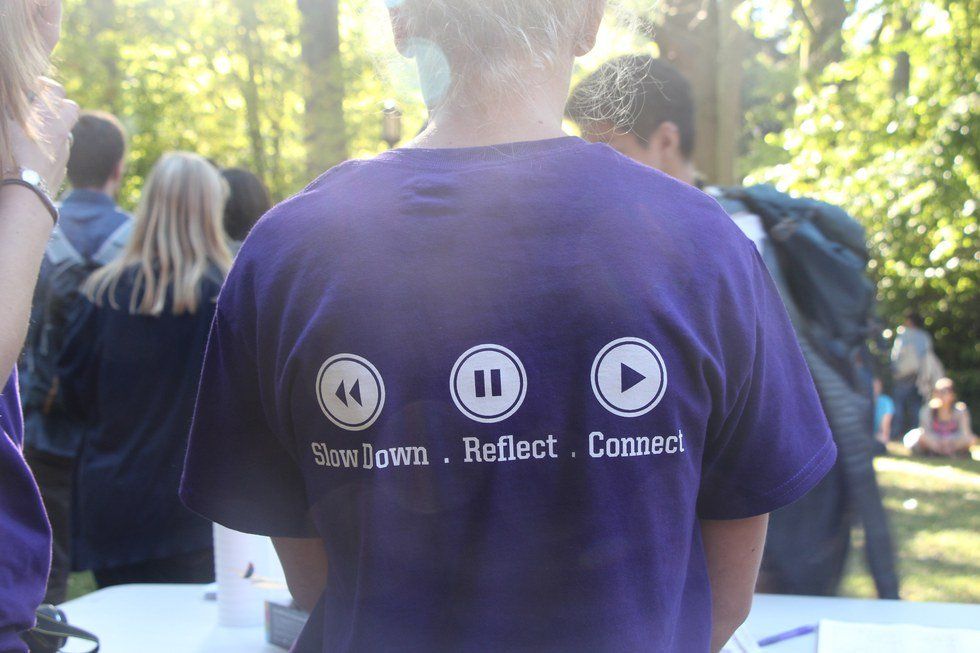
In January of 2014, Time magazine featured an article called “The Mindful Revolution,” written by Kate Pickert. The article brought light to the positively progressive, but also detrimental distraction of digital age. Pickert explains this trend of mindfulness as a way of “befriending ourselves as we are. We learn how to drop in on ourselves, visit, and hang out in awareness.” Among other practices, mindfulness has shown the most dramatic benefits because it requires so much that you rely on yourself to attain good health and happiness.
While the mental stability of youth and individuals in general continues to rise as major issue, Julia Olsen and the UW Mindfulness Project are striving to counteract those negativities and take the Mindful Revolution by force. I got the opportunity to sit down with Julia, the president of the organization and learn a little more about what the Mindfulness Project does.
Julia joined UW Yogis, a yoga club, her sophomore year of college in 2012. At the time, the president, who is now the staff advisor, Alysha Grieg, sent out a letter to the members expressing her vision in creating a mindfulness center. Upon partaking in that vision, Julia was instantly hooked to celebrating and spreading awareness about mindfulness. She’s a senior this year studying psychology and planning on attending medical school with an interest in mental health and primary care.
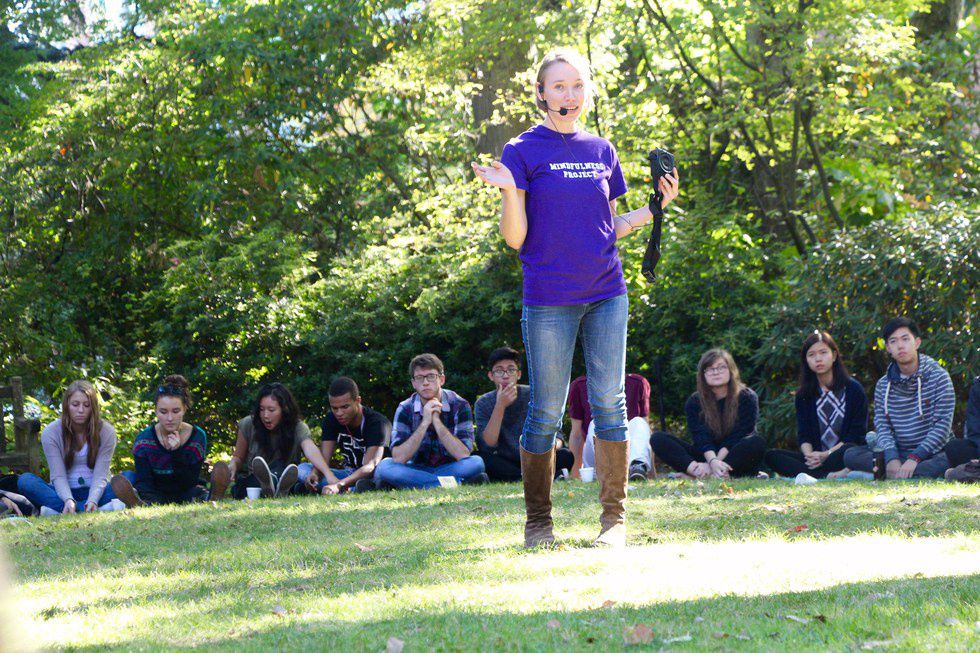
Q: What is the Mindfulness Project? What does the club do?
JO: We’re a student group on campus that is advocating for promoting daily maintenance of both mental and physical health through self-protective practices like yoga, meditation, and other things. We’re hoping that through these self-reflection practices, students will build resiliency and learn how to handle stressful situations, to learn how to be mentally stronger and persevere through challenges. We’re also hoping that students will earn how to know themselves better and know what it is that they want to do in life. That’s what college is about so we think that this can really help because when you don’t have the tools to self reflect, it can be easy to get caught up in your day to day activities and forget why you actually do it.
Q: How do you plan on utilizing UWMP to impact the students?
JO: A big goal for us is to build a more unified community on campus by creating a space for students to talk about meaningful things and connect on an intimate and personal level. We’ve seen it happen with our events in the past. A lot of people came to just get to know others interested in meditation. Connect on those experiences as they happen. Mindfulness, meditation, and yoga are all proven to significantly decrease stress and anxiety and to help people build better coping tools that lead to the mental health issues in college students. It’s a good pro-active tool to maintain mental health. This is kind of a different approach than what you usually see. You usually see preventative mental health care methods. Counseling is great, but it usually is only there when the problem already exists. If you’re able to build these tools through mindfulness you can address it before it becomes a problem.
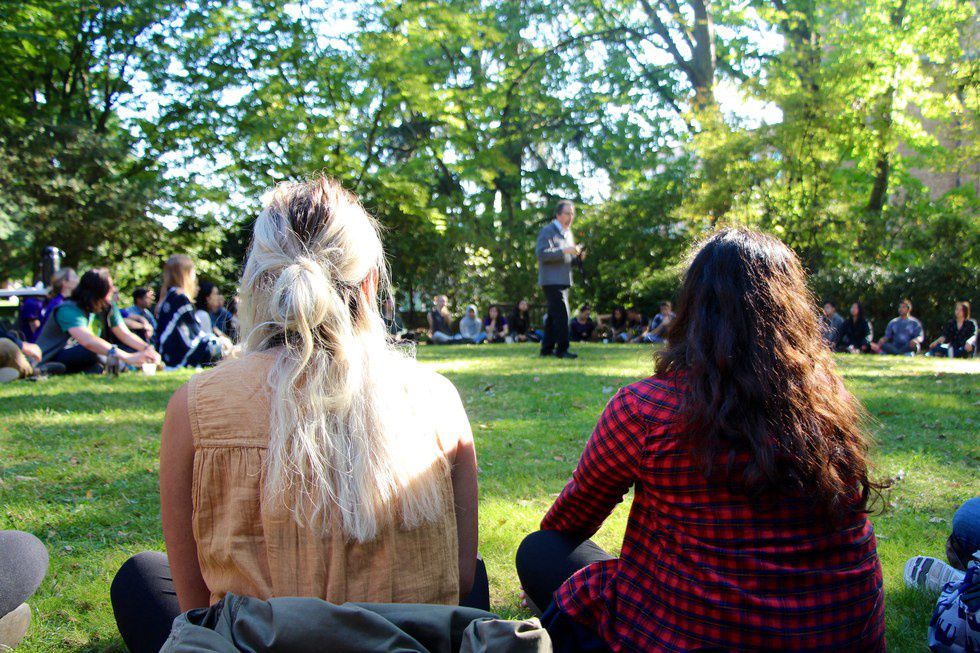
Q: What exactly does being “mindful” mean? How do you stay mindful?
JO: To quote Jon Kabat-Zinn, “Mindfulness means paying attention in a particular way; on purpose, in the present moment, and non-judgmentally.” For me, staying mindful is really remembering to check in with myself and how I’m feeling. The moments that its most useful is when I have a lot going on and am stressed, angry, or nervous. When I notice, then I’m able to really tune in and figure out where that’s coming from. For example, if I’m upset I ask myself: am I angry because I’m frustrated that I'm not able to figure something out? Or because of others things that happened today and anger is the emotion I’m picking up? I think that a really great tool to being mindful is the breath. You can tune into your breath and focus on one thing and address the many things that are going on, taking them one at a time.
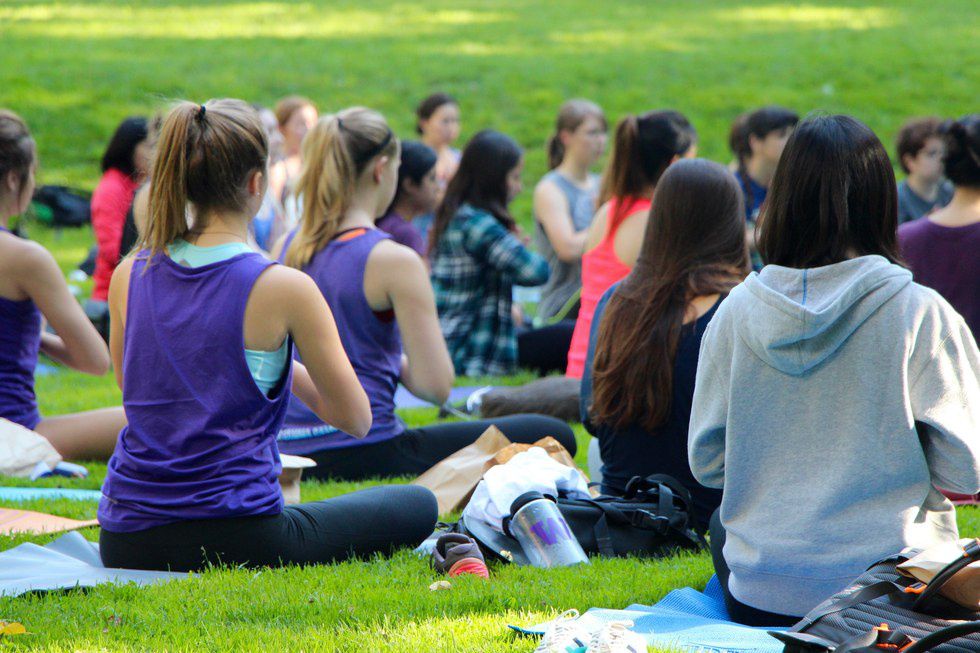
Q: How can students get involved, become more aware, and pursue being ‘mindful’ to the fullest?
JO: Virtually, students can access our blog, which will talk about the different aspects of mindfulness. Physically, we have seminars, social events, and our upcoming class in winter quarter to address how you can be mindful in the different aspects of life. People can also approach us during tabling events and ask us more about UWMP then. For those who want to get even more involved, we might be accepting more volunteers this quarter. Otherwise, we have officer applications at the end of every year. Supporting us and raising awareness by inviting friends to our events and liking us on Facebook are awesome ways of getting involved too. Overall, we really want to reach as many students as possible and introduce them to mindfulness based practices so they can discover meaning in their path, build resiliency, and pay attention to the present moment as opposed to lofty future plans that typically daunt college students.
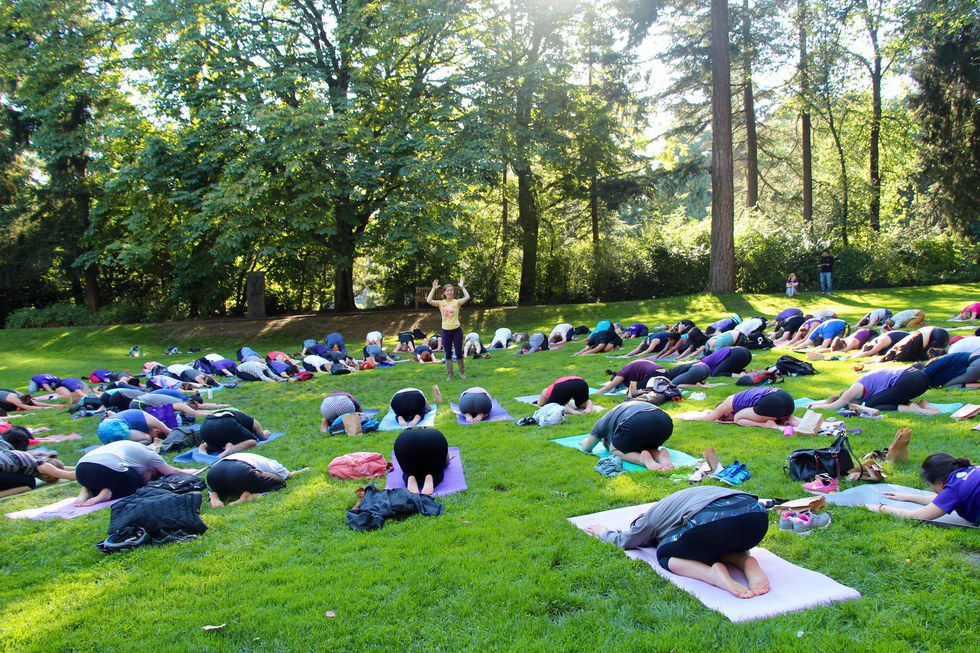
Thank you so much to Julia Olsen and the Mindfulness Project team for working so hard to spread such a positive influence through the minds of our students!
For more information about UW Mindfulness Project, please visit the website. You can find a schedule of upcoming events, how to sign up, and other information about mindfulness there!













