
In the GOP debate on August 6th, Fox News moderator Megyn Kelly questioned the validity of Donald Trump’s presidential bid based on his objectification and misogynistic remarks towards women, pointing out that he “once told a contestant on ‘Celebrity Apprentice’ it would be a pretty picture to see her on her knees.”
Trump responded by stating, “the big problem this country has is being politically correct,” and concluding that “[the USA] is in big trouble; we don’t win anymore.”
The concern here is not in Trump’s inept response but rather the audience’s cheering of his dangerous line of thinking.
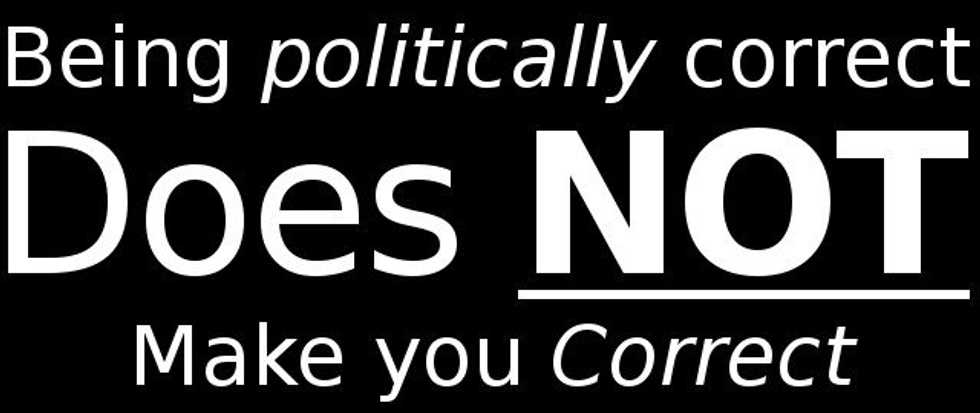
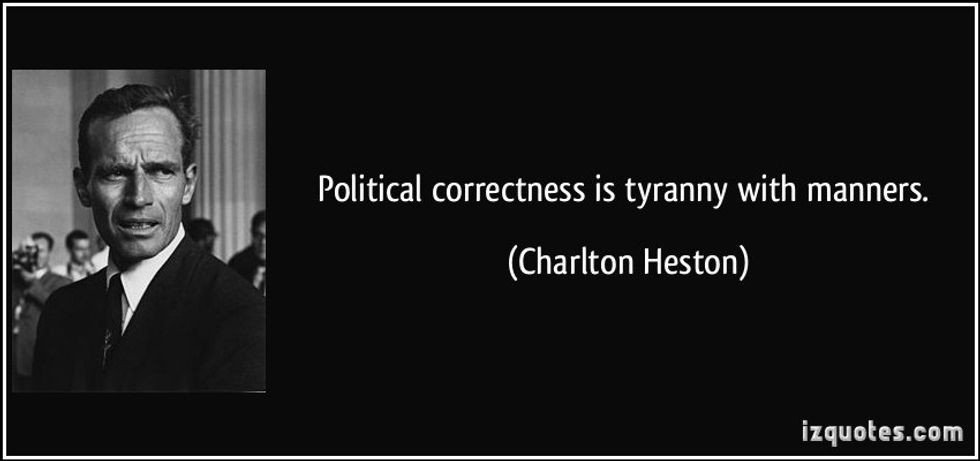
Political correctness has become an increasingly popular phrase for many to call out others for being oversensitive. Some find that it is impractical and unreasonable to listen to the voices that ask for PC terminology. Still others find it simply tiring to pay attention to everyone else’s concerns. The backlash to this so-called PC culture has been swift and emphatic, giving rise to everything from memes to speeches.
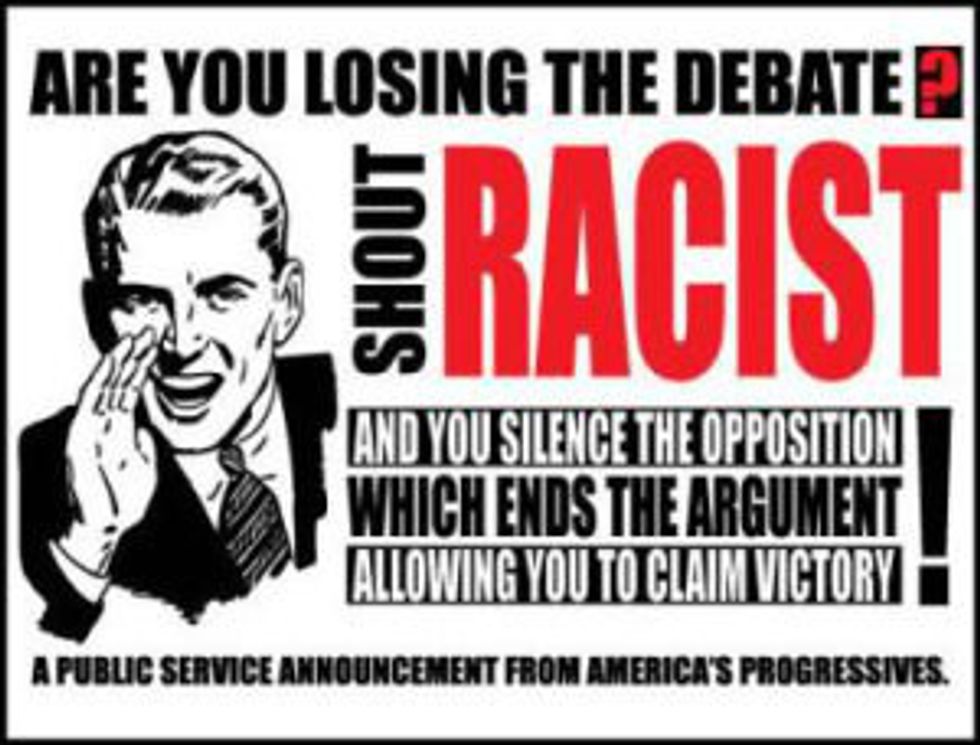
However, nothing excuses you from sexism. Nothing excuses you from racism. If you brush aside these accusations on the claim that people are offended too easily, there may be a problem with you.
When Target announced its move toward gender-neutral toy aisles, it was met with hostile reactions from a large number of conservatives. They claimed that it was a superficial measure to appease the PC crowd. Yet they are the same people who refuse to differentiate between gender and sex. They believe in the superiority of rigid, dichotomous social constructs over other’s realities. They declined to see perspectives other than their own and instead levied hefty complaints of a hypersensitive culture. Admittedly, intolerance is not unique to right-wingers. Yet they seem to be the most prominent in justifying it with an attack on PC culture.
The beauty of the First Amendment is that while it gives you the right to speak your mind, it also gives everyone else a chance to articulate theirs. You are entitled to your opinion, but that does not shield you from the social consequences of your words, nor does it mean you can silence other people.
So let’s make this clear: political correctness does not mean policing others’ languages. The expression “policing” implies power. Instead, those who advocate for political correctness are often the marginalized groups of society who have no voice. They are victims of a language that trivializes and derides their very existence.
And if we take a closer look at the US — a culture so prude that it considers violence a lesser threat to children’s innocence than nudity, a society that is too scared to discuss real and relevant race issues, a country that is in active denial of its past — perhaps we’re just not being sensitive enough about issues that actually matter.
It isn’t hard to be politically correct because we aren’t calling PC culture what it really is: a culture of empathy. There’s a Wiki-How guide on becoming a more respectful person, if that helps. There are also many, many posts and articles on how to become more aware of social issues that impact others’ lives.
Yet if all else fails, I have but one advice to dish out: try to be less of an a**hole.