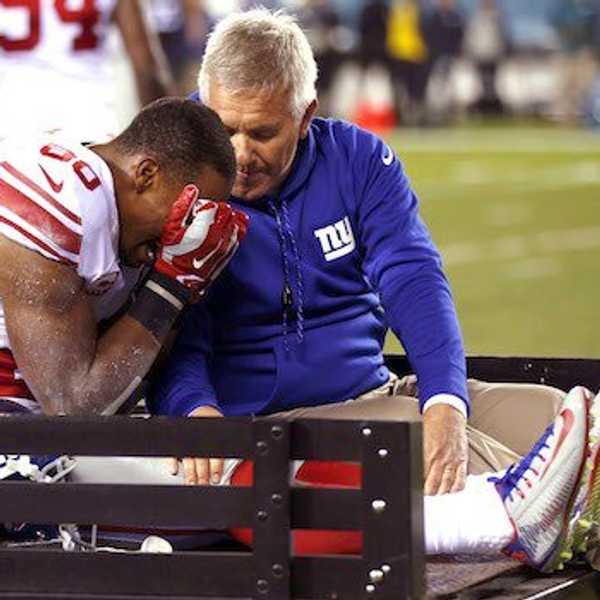
Preston Plevritis is the face of the consequences of concussions. He incurred a concussion and didn't fully recover before he played in the next football game. He then got another concussion at that game after being hit, and immediately became unconscious in the fencing posture. After this injury, the doctors found out he had suffered Second Impact Syndrome; they knew that he would be permanently disabled even after years of intense therapy. This is a story that shows what can happen in the sport of football, and why parents should think before they let their children under the age of 18 play.
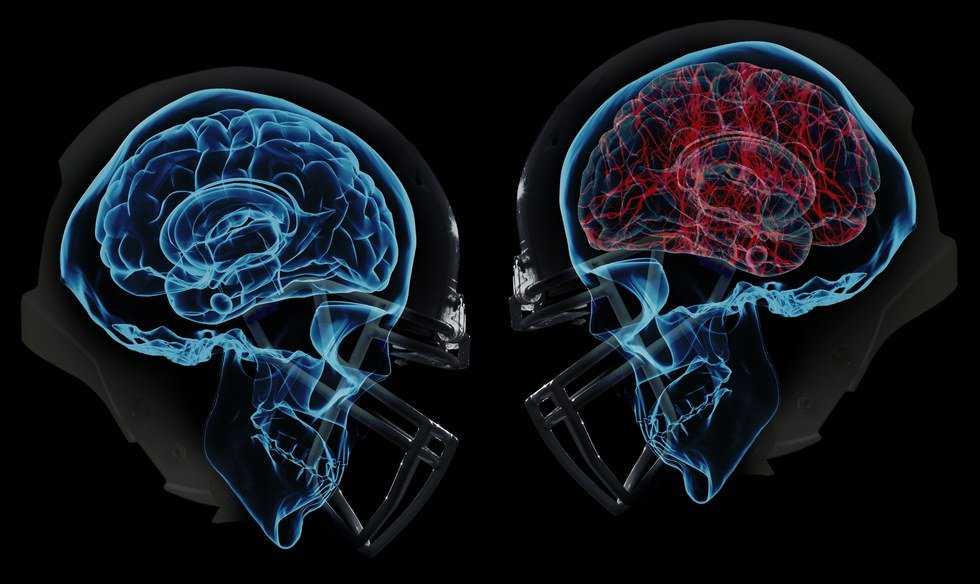
Even though Preston only suffered from Second Impact Syndrome (SIS), Post-Concussion Syndrome (PCS) and Chronic Traumatic Encephalopathy (CTE) are also devastating neurological injuries that may result from concussions. Considering that there are these risks, parents should not let their children play football.
All three conditions are neurological, however, they do not have the same effects. Concussions are first likely to result in Post-Concussion Syndrome (PCS). PCS is when all or some of the symptoms and signs that an individual displays when having a concussion, does not go away after an extended period of time. This condition can be very frustrating to the children or teens suffering from it because they may have a much harder time doing well in school. Lifestyle can also be altered, because they may not have the energy they used to, in order to get themselves through the day.
Similar to PCS, is a condition known as Second Impact Syndrome. Preston Plevritis is a prime example. If the brain receives another blow before it is done healing from the first concussion, the individuals can end up dying or have permanent brain damage. When children and teens suffer from SIS, they are no longer able to live normal lives. They will spend the rest of their life struggling with walking, talking, eating, and almost every aspect of daily life. This is no way for any child or teen to live. They should be experiencing high school, college, and in the end, enjoying having a family.
Despite the life altering effects SIS can have on a person, CTE is also a neurological condition. This damage happens over a long period of time because nerve cells slowly die off. This typically leads to death at an early age regardless of the individuals. With the disease cutting a person’s life short, the individual may not be able to have a family or see their kids grow up. They also may experience problems that seem similar to dementia at an early age. Both results will have a negative impact on their future.
In all aspects, PCS, SIS, and CTE have devastating effects. As a child or teenager, playing football is not a wise choice because of the risks involved when it comes to head injuries. Knowing this information, parents should weigh the pros and cons carefully, before they allow their kids to play football. On the positive side, playing sports such as football can be good because it can help build confidence, improve physical fitness, be stress relieving, and just be overall enjoyable, if it is truly a person’s passion. Considering that the risks in football are so high, playing other sports such as soccer, baseball, or hockey, are better choices due to the lower rate of concussions and head injuries. No sport comes without risks.