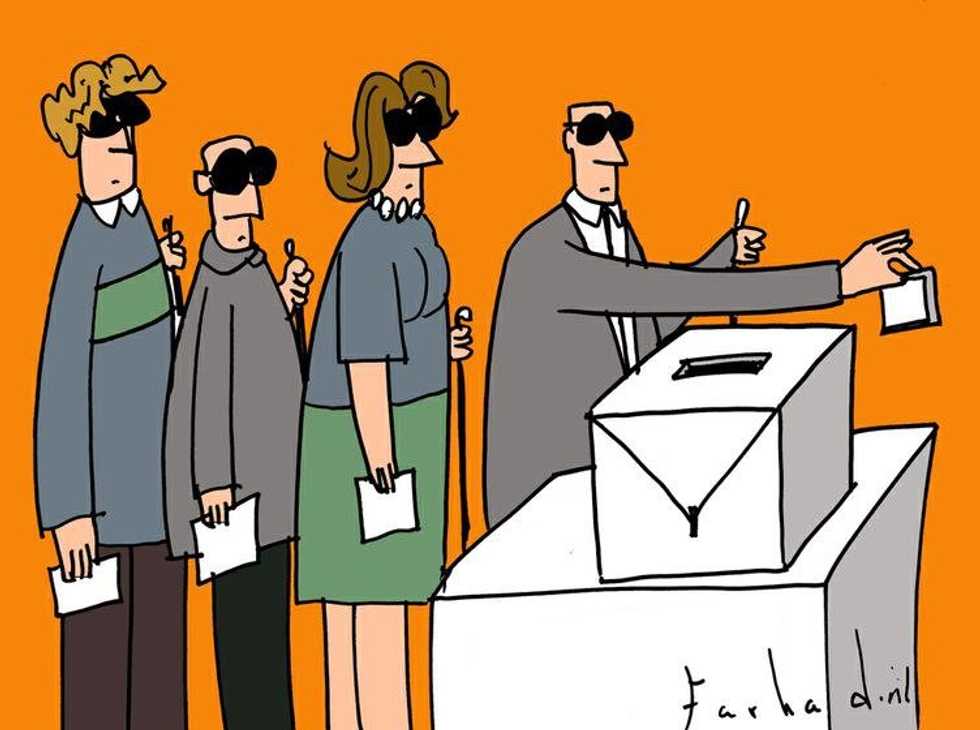
From the moment we hit the ripe age of 18, we are strongly encouraged by our elders to get out and exercise our Constitutional right to vote. Even mainstream media outlets like MTV have been encouraging this, using outreach programs such as Rock the Vote to catch the attention of younger audiences. However, while it is certainly your unalienable right to vote, it is also your responsibility to understand why you are voting. The only thing worse than not voting is voting blindly.
One of the largest criticisms of Donald Trump's wildly successful campaign is the accusation of him having a large blind following. People often accuse Trump supporters of being ill-informed and uneducated, largely in part to the stigmas attached to the majority of his voting demographic. It is important to note that the Trump campaign is not alone—or even the worst offender—of this voting trend.
Both top candidates for the Democratic nomination —Hillary Clinton and Bernie Sanders—are also guilty of having a wildly similar set of following, much like the campaigns of Clinton and Obama during the 2008 Presidential primary. That being said, supporters of Bernie Sanders are primarily within the young adult/student demographic—a demographic that is undeniably guilty of blindly following (mostly liberal) campaigns.
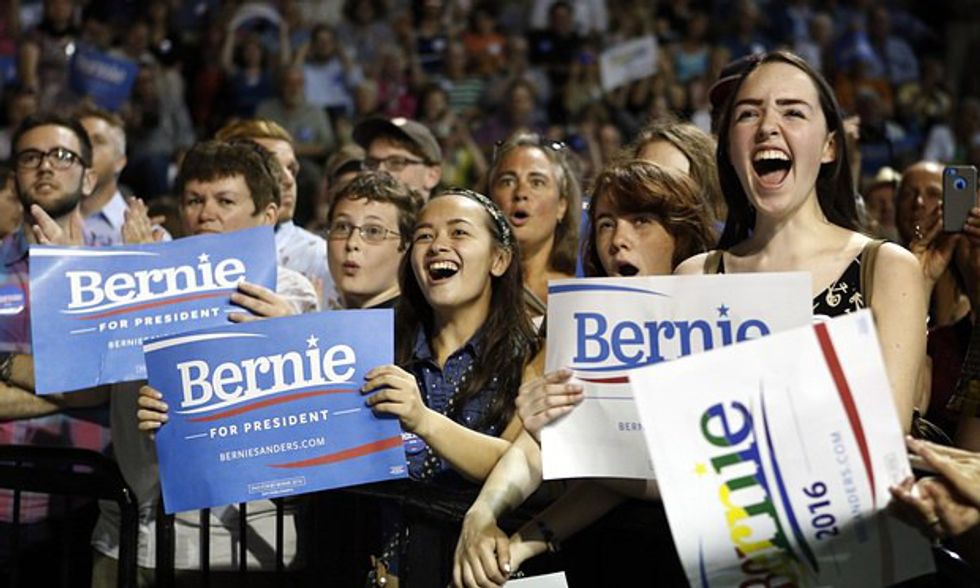
(Just to be clear—I am not trying to disparage the Sanders campaign. I am actually a supporter of Mr. Sanders, myself. I am the polar opposite of a Trump supporter—as you may have seen in a prior article of mine—and I don't believe Hillary Clinton should even be considered for the nomination due to her current investigation.)
I understand that blind followings and blind voting are not new trends. Every politician is guilty of this, always has and most likely will be. The purpose of this article is not to expose this trend, but rather to make an attempt to change it.
I encourage you to educate yourself. You don't have to invest a great deal of time—or even be interested in politics—to get enough of an understanding of whom you should vote for. Have conversations with your peers. Find out why they support or oppose particular candidates. Take an hour or two of your time and catch some of the numerous debates held throughout the primaries. Compare and contrast the pros and cons of each with that of your peers. Challenge your peers’ reasons, but not by discouraging differing opinions. Do your research and find someone who matches your ideals, and run with it.
Your vote does count. Whatever you do, don't vote blindly; the presidential race is not a popularity contest.